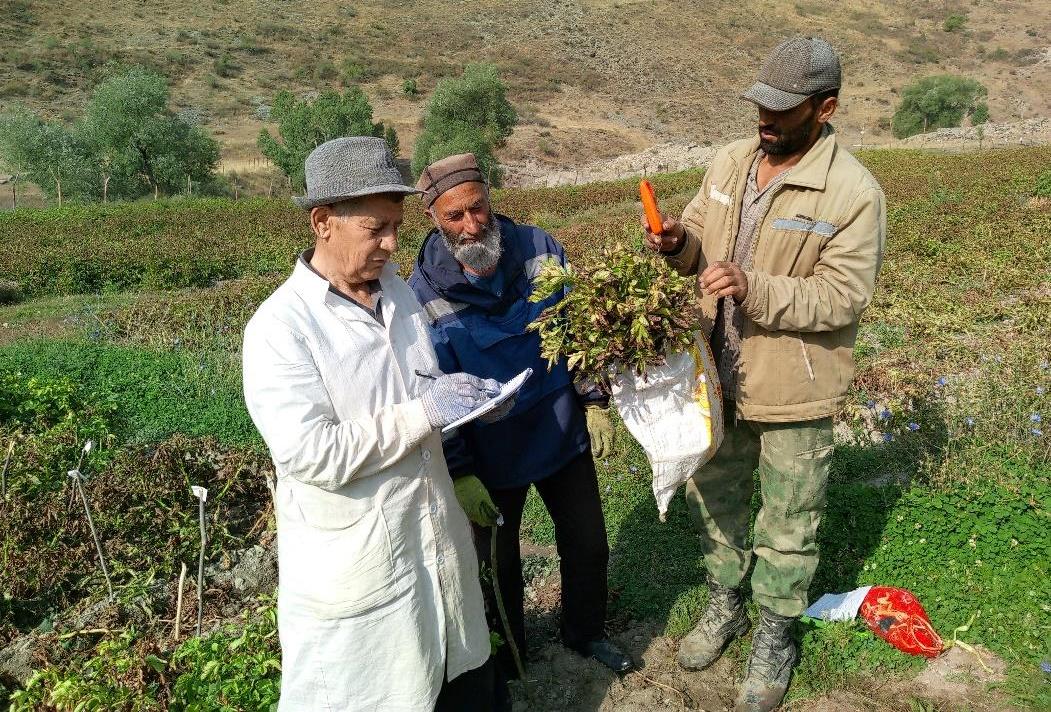
In the Yagnob valley of the Ayni region of Tajikistan, at an altitude of more than 2,300 meters above sea level, scientists have tested dozens of crops for the first time. The results exceeded expectations: all plants successfully adapted, and new potato varieties showed yields of up to 400 quintals per hectare.
The climate forces us to look for new solutions
Climate change is increasingly forcing scientists to look for new ways to adapt agriculture to adverse conditions. One of the promising areas is the study of the mountainous regions of the country, where the combination of cool climate, clean air and fertile soils opens up unique opportunities for agricultural experiments.
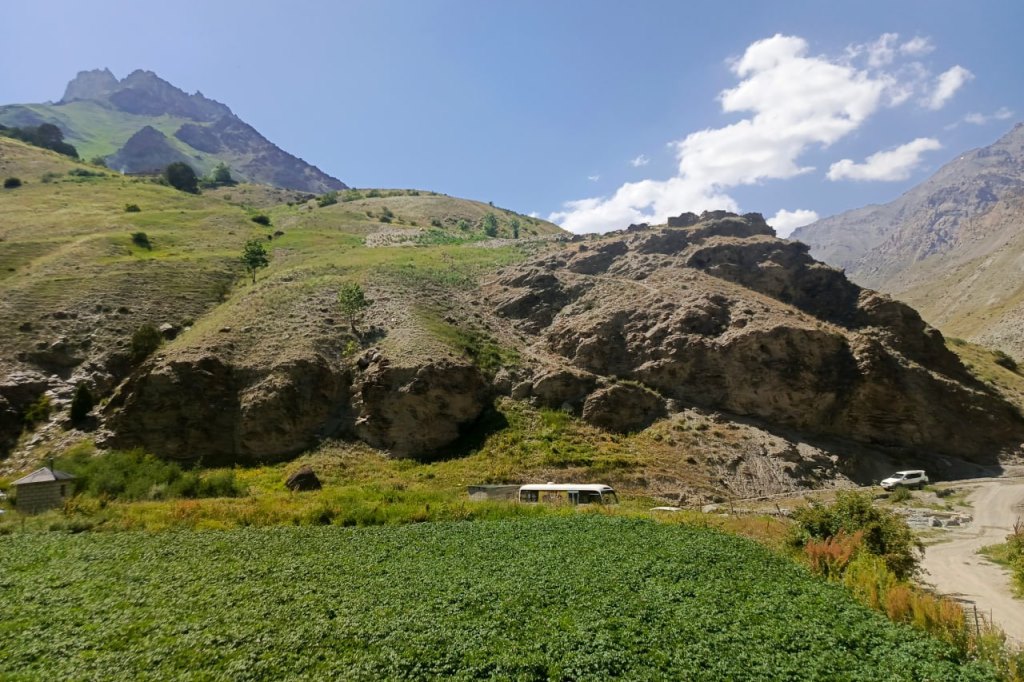
That is why the staff of the Institute of Botany, Plant Physiology and Genetics of the National Academy of Sciences of Tajikistan (NAST) chose the Yagnob Valley of the Ayni district, a region located at an altitude of more than 2,300 meters above sea level. Here, in the village of Khishortob, experimental fields were laid in the spring, where researchers tested how crops familiar to the plains would behave in high-altitude conditions.
What was planted in the experimental area?
In the second half of May, scientists delivered seeds of potatoes, corn, sunflower, wheat, chickpeas, peas, pumpkins, sorghum, tomatoes and cucumbers. The sowing was carried out on the site of a local dehkan, Nekmakhmad Safarov.
"We wanted to test how the crops familiar to the plains would behave in the highlands. It is important for us to understand which varieties are best suited for future agriculture in a changing climate," – says Kurbonali Partoev, Doctor of Agricultural Sciences.
The scientists used organic and mineral fertilizers, and strictly followed agricultural technology: they loosened the aisles, watered, removed weeds, and recorded morphological changes in plants and their growth.
Potatoes became the leader of the experiment
By August, the test site had turned into a green carpet. All crops adapted and produced good results, but the tests of more than 20 potato varieties imported from Tajikistan, Russia and the Netherlands proved to be especially valuable.
"New Tajik varieties – "Tajikistan", "Faizi Istiklol", "Milli-1 Academy", "Mastcho", "Fayzobod", "Rasht" and "Nilufar" – demonstrated yields at the level of 300-400 quintals per hectare. This is a serious indicator confirming their prospects," – says Mavlon Kurbonov, Candidate of Agricultural Sciences.
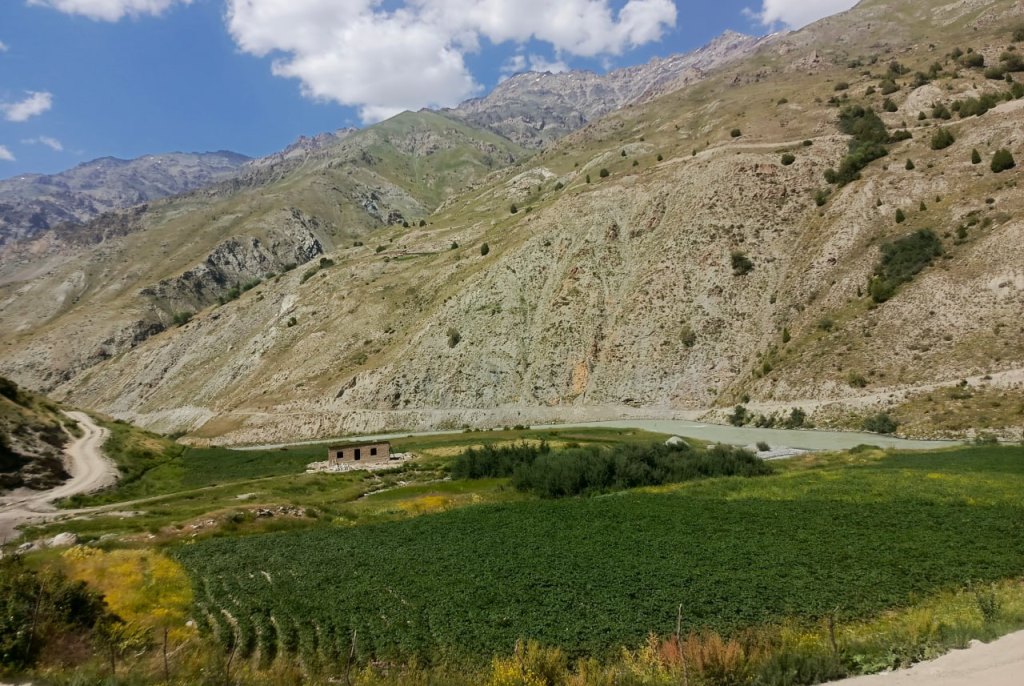
The Russian varieties "Sadon", "Ariel" and "Fusco" showed a yield of 280-390 kg/ha and ripened 10-12 days earlier than the rest, which, according to experts, is a great advantage. Dutch "Picasso" and "Aladdin" also confirmed high yields and rapid ripening – up to 370 c/ha.
Genetic finds in the heart of the mountains
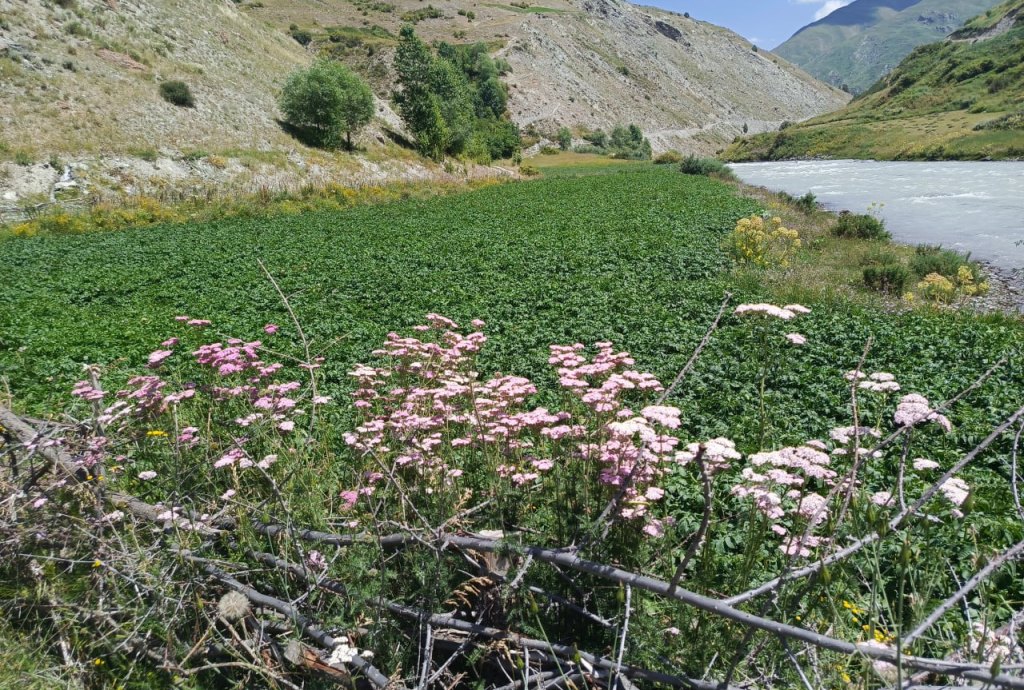
In addition to yield, the researchers noted another important phenomenon – the abundant flowering of potato varieties and the formation of berry seeds. In the conditions of the cool climate of Yagnob, this process was especially active.
"This is an extremely important genetic feature that opens up great opportunities for breeding work. Clean mountain air, spring water, fertile soil and the absence of pests make Yagnob a unique natural laboratory," – Kurbonali Partoev emphasizes.
Mountains give a chance to the country's agriculture
The results inspired the researchers to continue their experiments. In the coming years, they intend to expand their crops to include new crops and varieties. Scientists are confident that the Yagnob valley can become not only a tourist gem, but also a scientific testing ground where solutions for adapting agriculture to climate change will be born.
"All the crops that we have planted have shown positive results. This means that we will expand research and introduce new varieties. Yagnob has the potential to become a real natural laboratory of Tajikistan," – Kurbonov concluded.