Russian State Duma backs year-round military conscription in first reading

The State Duma (Russia’s lower chamber of parliament) has approved in the first reading a draft law that would allow military conscription activities to take place throughout the entire calendar year—from January 1 to December 31.  The announcement was published on the official website of the lower house of the Russian Parliament. The bill, previously […]

Asia-Plus

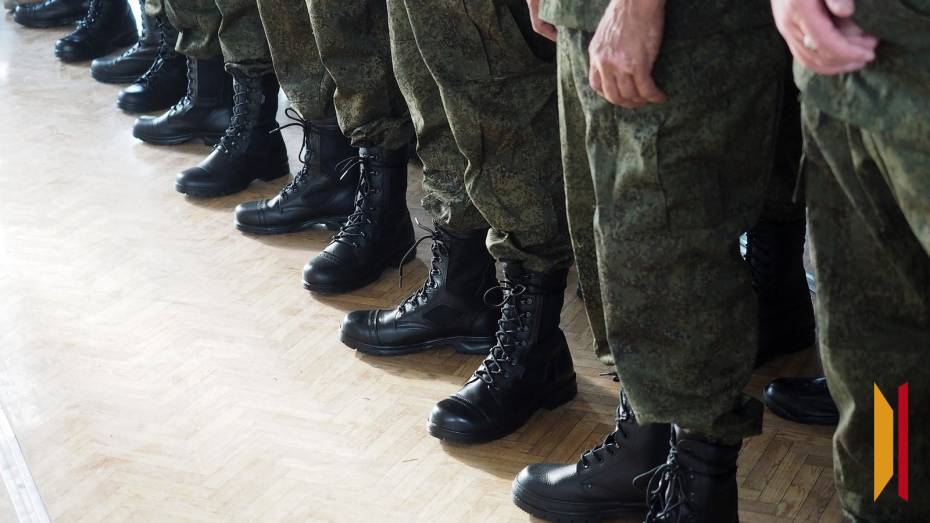
The State Duma (Russia’s lower chamber of parliament) has approved in the first reading a draft law that would allow military conscription activities to take place throughout the entire calendar year—from January 1 to December 31.  The announcement was published on the official website of the lower house of the Russian Parliament.

The bill, previously endorsed by the Russian government, proposes significant changes to the current conscription schedule.  Under the existing system, key activities such as medical examinations, psychological assessments, and conscription board meetings are limited to the spring and autumn periods. The new initiative would permit these procedures to be conducted year-round, while the actual deployment of conscripts to military units would still occur during the traditional spring and autumn call-up periods.

Andrei Kartapolov, Chair of the State Duma’s Defense Committee, stated that the reform is aimed at easing the burden on conscription commissions and improving the overall efficiency of the process.  He also noted that military summonses could now be issued at any time of the year.

The legislation introduces a new obligation for eligible citizens: even in the absence of a formal draft notice, they must report to military enlistment offices within two weeks.

If passed in subsequent readings and signed into law by the president, the reform will take effect on January 1, 2026.

The proposal is part of a broader tightening of Russia’s military draft system.  Previous changes include the creation of a unified registry of military-eligible citizens, the implementation of electronic summonses, and a series of penalties for failing to appear at draft offices on time.

Among the sanctions are travel bans, restrictions on vehicle and property registration, and limitations on obtaining loans or registering as self-employed.

Join us on social media!

Article translations:

Related Article

Оби зулол
Оби зулол

Most Read

Recent Articles

Godfrey Sullivan: “Tajikistan is a promising market for Visa to develop digital payments”

The Vice President of Visa explained why Tajikistan is becoming a promising market for digital payments and how artificial intelligence is influencing the future of finance.

Seven students in Dushanbe were threatened with expulsion for arriving at universities in personal cars

The materials for each case have been sent to the Ministry of Education and Science for appropriate actions.

India’s blockchain push and lessons for the global south

The Indian Government has started pushing aggressively its agenda...

India’s blockchain push and lessons for the global south

The Indian Government has started pushing aggressively its agenda...

25 Years in Touch: On Generation Change, “Digital” and “Invisible” Work

In its 25th anniversary year, "MegaFon Tajikistan" summarizes its...

The number of entrepreneurs in Tajikistan increases by 4.3%

The number of entrepreneurs operating under a patent is increasing the fastest.

Trump announces “very good” talks with Iran and the possibility of a quick agreement. Tehran did not comment on this

The President of the United States claims that Tehran has agreed to the US demand to abandon the development of nuclear weapons.

Police report the discovery of the remains of a man who had been missing since December 2025

A friend of the murdered person has been detained on suspicion of particularly brutal murder.

Residents of a settlement in Sughd: “Afghan refugees have disappeared from the Dehmoy jamoat”

Earlier, a citizen of Afghanistan was detained on charges of murdering a resident of Khujand.