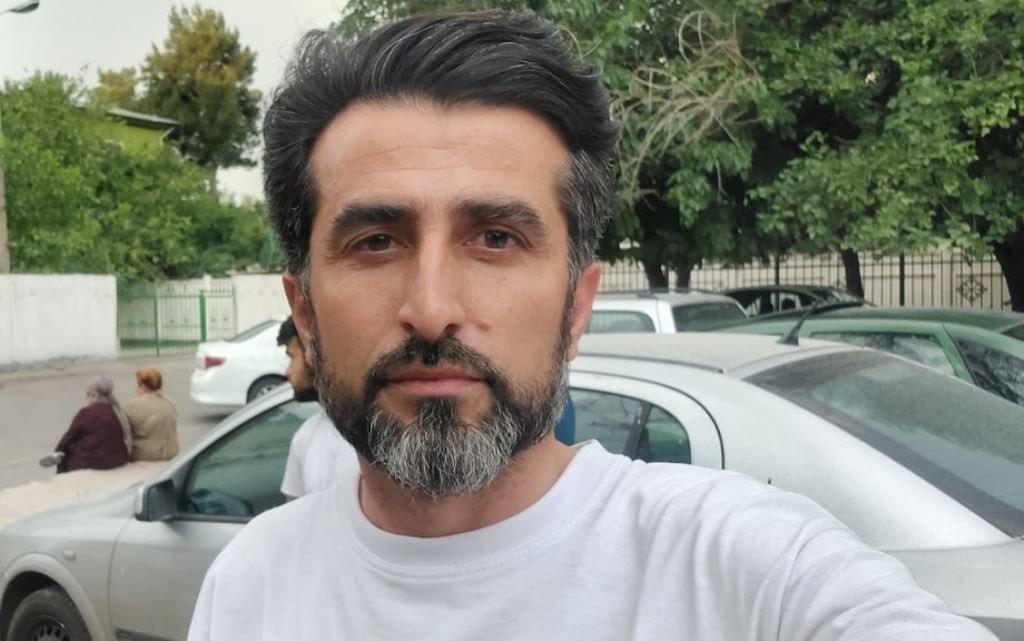
The Main Directorate for the Execution of Criminal Sentences (GUIN) at the Ministry of Justice of Tajikistan has explained why imprisoned journalist Abdussattor Pirmuhammadzoda was not allowed to undergo surgery outside the prison system.
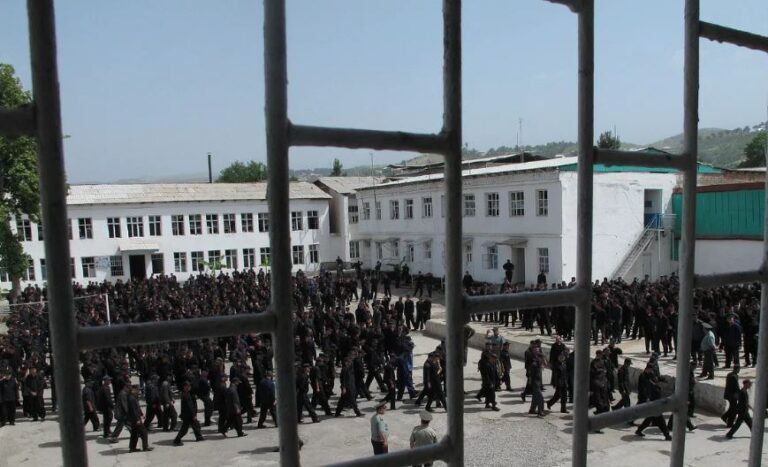
Pirmuhammadzoda, who had been held in the hospital of the penal colony in Vahdat, was recently transferred to a high-security penal colony in Dushanbe. Authorities refused his request for surgery outside the prison, stating that necessary medical procedures could be carried out within the penitentiary healthcare facilities. The journalist, however, declined to undergo surgery in the prison hospital.
A relative of Pirmuhammadzoda, speaking to Asia-Plus news agency, confirmed the transfer and shared details of the case. The family had secured permission from authorities to send a doctor to examine him in early September, following reports of his deteriorating health.
“The doctor met with Abdussattor, examined him, and confirmed that his condition is serious. His gallbladder is damaged, and his kidneys are in poor condition. The doctor said he needs surgery. Abdussattor told the doctor he did not want to be operated on inside the prison because of poor conditions. One of his main concerns is that the surgery is complicated, and outside the prison, it could be done with laser technology, which is less painful,” the relative explained.
The family submitted a formal request to GUIN, seeking permission for the surgery to be performed in a civilian medical facility. “We recently met with the deputy chief and another official from the agency, but they denied our request. Their reasoning was that the prison hospital in Vahdat has the capacity to perform the surgery, so there’s no need to transfer him elsewhere,” the relative said.
Family members are deeply concerned about the journalist’s health, especially now that he has been moved to a high-security facility in Dushanbe, where visits are heavily restricted. “Because it’s a high-security prison, we won’t be allowed to see him for eight months. We’re extremely worried about his condition. Only God knows what will happen to him during this time,” the family member said.
According to his relatives, Pirmuhammadzoda spent six months—from March to August—in solitary confinement at a prison in Khujand. After his health deteriorated, he was transferred first to Dushanbe and then to the prison hospital in Vahdat. Now, he has again been relocated to a high-security prison in the capital.
Following media reports about his illness, the Committee to Protect Journalists (CPJ) issued a call for Tajik authorities to immediately provide medical care to the imprisoned journalist. However, the Tajik government has not responded to the appeal.
Abdussattor Pirmuhammadzoda was sentenced to seven years in prison in December 2022 on charges of participating in banned organizations—accusations he and his family have consistently denied. After his arrest, he wrote a letter from the detention center stating that he had been subjected to psychological pressure and torture to force a confession to what he described as a "fabricated" charge.
The Prosecutor General’s Office of Tajikistan has not confirmed these allegations.
In recent years, Tajik authorities have arrested more than a dozen journalists and bloggers and sentenced them to long prison terms, mostly on charges of extremism. There are also reports of at least seven deaths in prisons, the main cause of which was the untimely provision of medical care. The demands of human rights organizations to investigate these incidents and release the journalists have not yet been met.