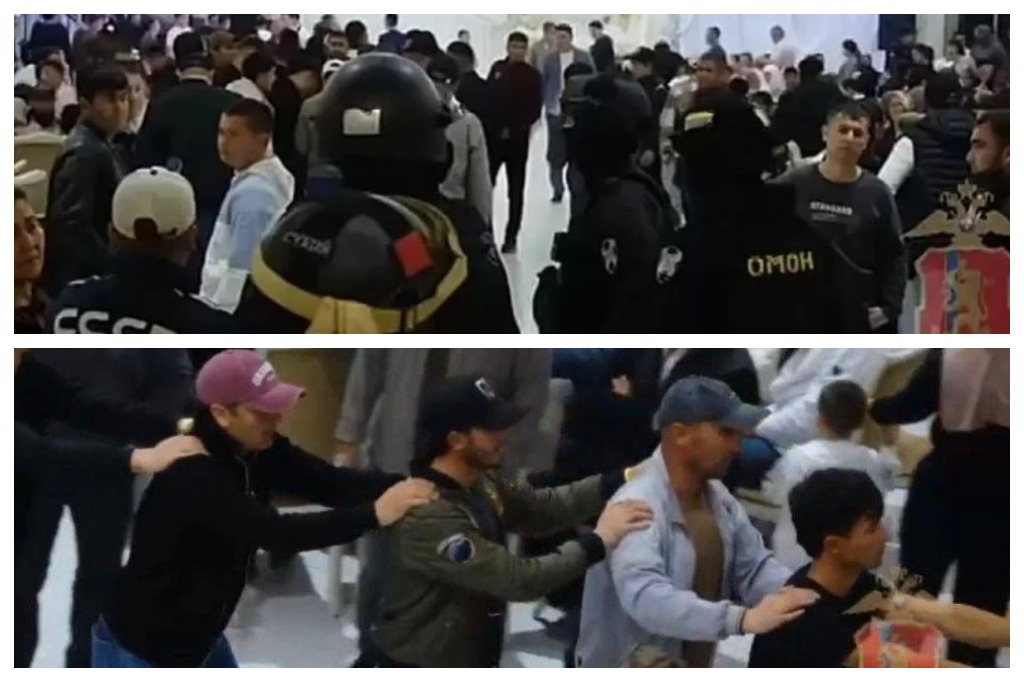
Riot police and security forces staged a mass raid on a concert featuring popular Uzbek singer Jaloliddin Ahmadaliyev, interrupting the event and detaining dozens of people. The incident, which took place at the Korona banquet hall in the village of Solontsy near Krasnoyarsk, has been widely criticized as a new form of humiliating migrant detentions.
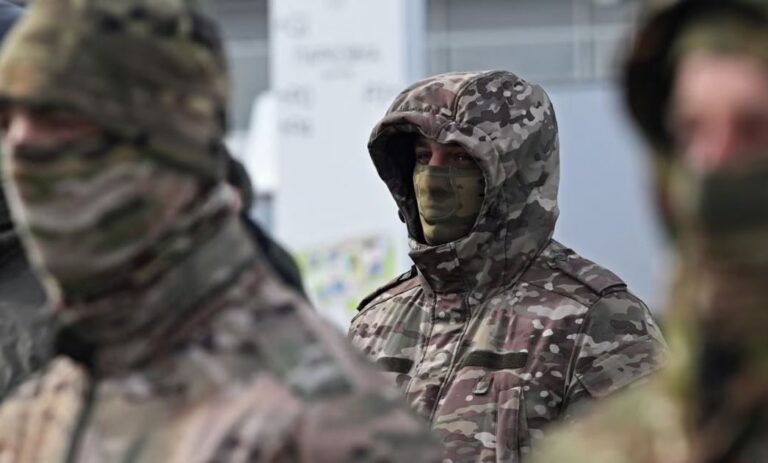
Videos circulating on social media show officers from OMON, Russia’s special police unit, ordering attendees to leave with their hands raised. The footage has provoked backlash from human rights advocates, who say the raid blurred the line between lawful enforcement and intimidation.
According to state-run news agency TASS, the operation involved officers from the regional Interior Ministry, the Federal Security Service (FSB), and the National Guard. Authorities said the raid aimed to identify undocumented migrants and individuals linked to drug trafficking.
However, no illegal substances or contraband were found. Police reported detaining 26 foreign nationals, eight of whom were in Russia without valid documents. Their current status remains unclear.
Uzbek media outlets said around 620 guests attended the concert, including 210 labor migrants.
Russian authorities later announced that the operation resulted in 19 administrative cases for migration violations and three criminal cases related to unlawful registration of foreign citizens.
Legal experts raise concerns
Migration law specialist Shuhrat Latifi told Asia-Plus that while Russian authorities are permitted to conduct document checks under Federal Law No. 115-FZ “On the Legal Status of Foreign Citizens,” such operations must comply with constitutional protections.
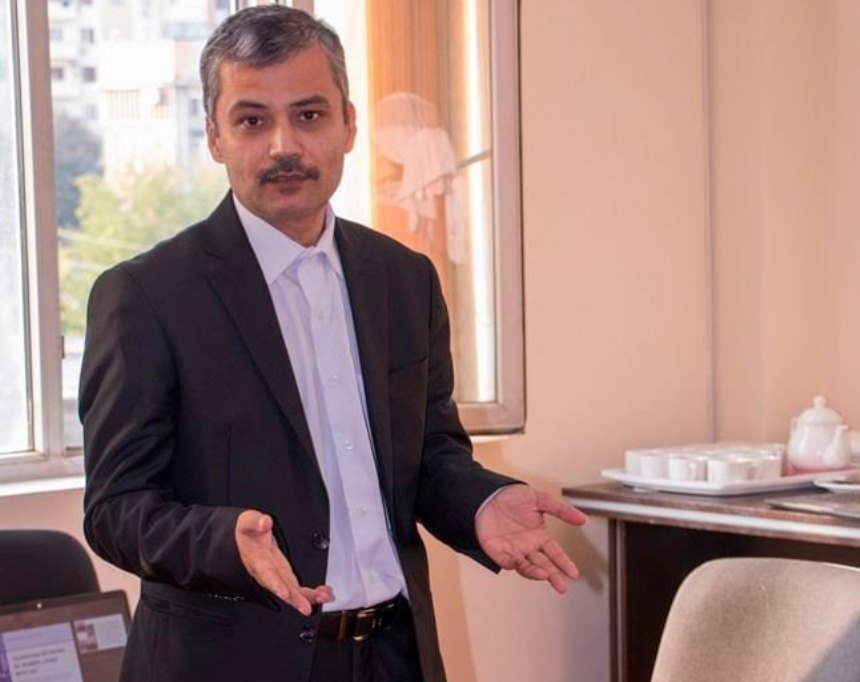
He stressed that entering a private event without an official warrant may violate rights to privacy and personal dignity, guaranteed under Articles 23 and 25 of the Russian Constitution. “Concerts and celebrations, even in public venues, are considered private gatherings by invitation. Forced entry, filming, and detentions without legal grounds could constitute an infringement of private life,” Latifi said.
He further noted that if the raid was carried out without specific evidence and primarily as a tool of intimidation, it could breach fundamental human rights, including freedom of assembly, personal integrity, and equality before the law.
Latifi also criticized the circulation of videos from the raid, warning that unauthorized publication of such footage risks stigmatization and social discrimination against migrants.
Raids becoming routine
Over the past year, Russia has intensified enforcement actions against migrants, from street document checks to raids on dormitories and workplaces. While officially framed as part of the fight against illegal migration, such operations are increasingly described by observers as degrading.
The raid near Krasnoyarsk marks a new escalation — the disruption of a cultural event — alarming migrant communities and human rights experts alike.
Tensions around migration have risen sharply since the deadly Crocus City Hall attack near Moscow earlier this year. In its aftermath, authorities deported thousands of Tajik citizens, introduced new “blacklists” for migrants, and tightened migration rules.
On September 18, OMON officers stormed a migrant dormitory in Moscow, detaining nearly 500 people, including many Tajiks. In response, governments of Tajikistan and Uzbekistan have sought to diversify migration flows, though with limited results so far.