Russia is facing a growing fuel crisis, marked by domestic shortages and price hikes following a series of Ukrainian drone strikes on its oil refineries, Radio Liberty reported on October 15. In response, Moscow has imposed bans and restrictions on gasoline and diesel exports to secure domestic supply — triggering ripple effects across Central Asia.
While Russia grapples with long lines at gas stations, several former Soviet republics that depend heavily on Russian energy are now contending with soaring prices, fuel shortages, and supply disruptions.
Tajikistan among the hardest hit
Tajikistan, which imports nearly all of its fuel — primarily from Russia — has been particularly affected. Despite remaining a close ally and strategic partner of Moscow, and still receiving fuel under bilateral agreements, the country has seen sharp price increases since Russia began restricting energy exports in the summer.
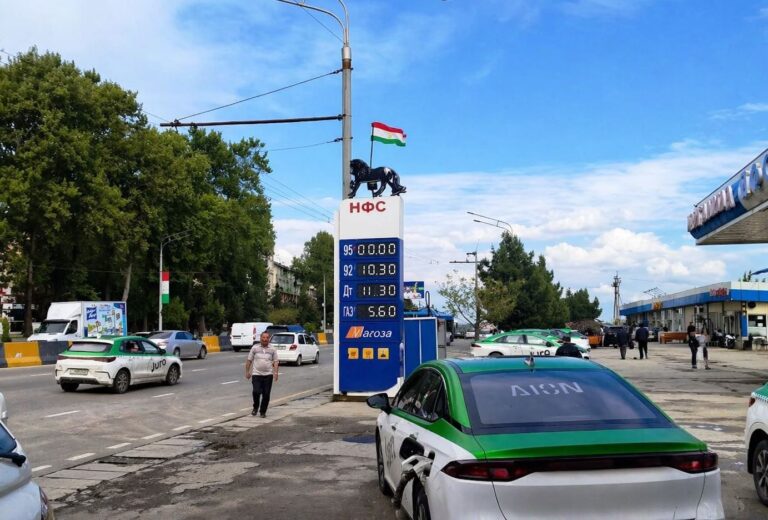
Gasoline prices in Tajikistan have climbed to US$1.30 per liter, the highest in the region.
In response to the uncertainty, Tajikistan has begun diversifying its energy model. Many taxis and public transport vehicles in the capital, Dushanbe, have switched from gasoline to liquefied natural gas (LNG) or electric power.
Still, the country is on track to import around 500,000 tons of gasoline from Russia by the end of 2025 — up from 451,000 tons in 2024, according to official estimates.
Other Central Asian nations also feel impact of Russia’s energy crisis
Kyrgyzstan, which imports over 90% of its fuel from Russia, has been formally shielded from Moscow’s export bans due to its membership in the Russia-led Eurasian Economic Union (EAEU). However, this hasn’t prevented price hikes, supply delays, and sporadic shortages since summer.
Experts warn that Kyrgyzstan’s reliance on Russian fuel leaves it highly exposed.
“There are few real alternatives to Russian supplies in the short term,” said economist Nourgul Akimova. “Alternatives require major infrastructure investments and are more costly.”
Uzbekistan, the region’s most populous country, still imports Russian fuel through state contracts but has moved to diversify, increasing imports from Kazakhstan and Turkmenistan.
Despite sizable oil reserves, Uzbekistan produces just 63,000 barrels per day, limited by aging infrastructure. The government plans to upgrade facilities and attract foreign investment to boost output.
Kazakhstan, Central Asia’s energy leader, produces 14 million tons of petroleum products annually and imports another 1.2 million tons from Russia. Though largely self-sufficient, it too felt the impact. In May, Astana imposed a six-month fuel export ban and cracked down on smuggling to prevent domestic shortages. The ban is set to expire in November.
Looking ahead, Kazakhstan aims to expand fuel exports to Central Asia, China, and India by 2040.
Turkmenistan, with vast energy reserves under strict state control, remains largely insulated. Fuel subsidies have shielded domestic consumers from global price swings.
“Turkmenistan is the only country in the region with a surplus of all energy types,” said economist Marat Musuraliyev.
On October 3, the government claimed it had surpassed its fuel production targets for the first nine months of 2025 — though this has not been independently verified. The country produces about 275,000 barrels per day and is ramping up exports, particularly to Uzbekistan and Afghanistan.