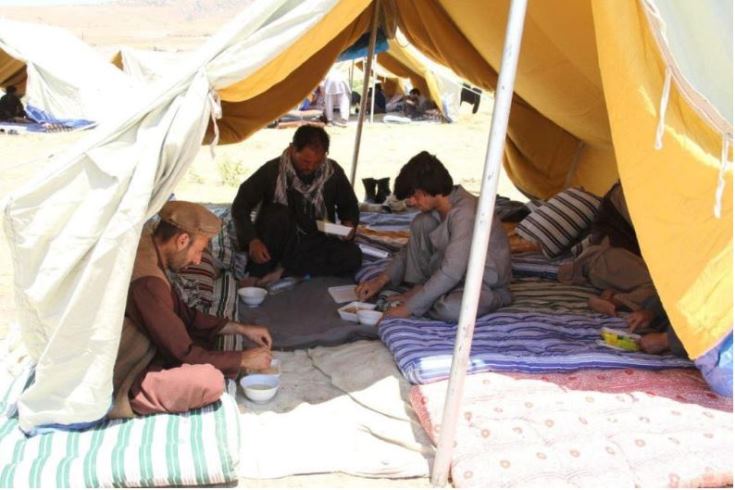
Tajikistan's recent deportation of Afghan refugees has left the refugee community in the country deeply unsettled, with many accusing the authorities of targeting individuals who were legally residing in the country. In July, Tajik officials began large-scale deportations of Afghan refugees, and although the pace has slowed, the impact on the community, particularly newer arrivals, has been profound.
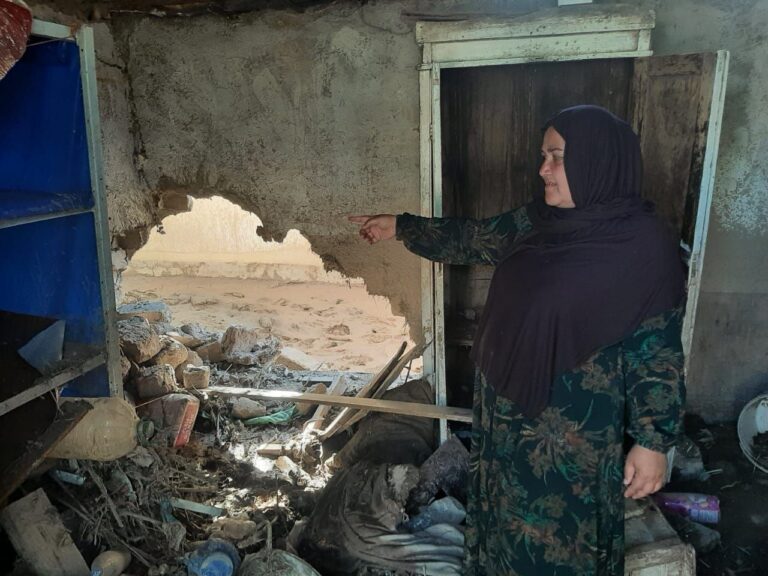
Eurasianet reports that a 53-year-old Afghan refugee in Vahdat, a township near Dushanbe, recounted how his cousin was arrested and deported back to Afghanistan by Tajik authorities earlier this year. The cousin, a former government worker, has been in hiding in Afghanistan ever since. The refugee, speaking through an interpreter, shared his story with Eurasianet but requested anonymity for safety reasons.
In July, Tajik authorities reportedly deported over 1,200 refugees and asylum seekers, many of whom held valid documents. UNHCR’s acting representative for Central Asia, Dumitru Lipcanu, urged the Tajik government to ensure that any returns to Afghanistan be voluntary, safe, and dignified.
According to Eurasianet, the deportations have affected a significant portion of the Afghan refugee community in Tajikistan, which numbers between 10,000 and 13,000. Most of these refugees live in Vahdat and Roudaki district. Tajik authorities, however, defended their actions, accusing some deportees of involvement in criminal activities such as drug trafficking and possessing extremist materials.
Tajik Interior Minister Ramazona Rahimzoda confirmed the deportations, stating that even those who were living legally in the country became illegal once they broke the law.
One refugee, who arrived in Tajikistan from Pakistan a year and a half ago, showed his documents and stated that his cousin had not violated any laws before his deportation. Another refugee, a 24-year-old man, explained that many deportees were recent arrivals who lacked work permits or did not understand how to comply with Tajik regulations.
In addition to legal issues, Afghan refugees face cultural expectations such as maintaining a trimmed beard, avoiding alcohol, and respecting local customs. Despite these challenges, the young refugee praised Tajikistan’s treatment of Afghan refugees, which he said was far more respectful than the treatment in Iran or Pakistan.
Abdul Musawir Bahadori, head of the Ariana Organization, which helps Afghan refugees in Tajikistan, stated that Tajikistan was the most welcoming country for Afghan refugees in Central Asia. However, he acknowledged that the actions of a few individuals contributed to the deportations.
Under international law and Tajikistan’s own legal framework, refugees who violate local laws must be given due process, and they cannot be returned to a country where they are at risk of persecution. UNHCR has emphasized that the situation in Afghanistan remains dangerous for certain groups, such as former government workers, who are at risk of retaliation from the Taliban.
Tajikistan’s policy toward Afghan refugees has reportedly fluctuated over the years. President Emomali Rahmon has been an outspoken critic of the Taliban, but Dushanbe’s willingness to accept Afghan refugees has diminished over time, according to Eurasianet. After initially expressing a willingness to accept up to 100,000 refugees, Tajikistan has since hardened its stance. Russia, a key ally of Tajikistan, has opposed the resettlement of Afghan refugees in the region, which may have influenced Tajikistan’s actions.
In previous years, Tajikistan carried out smaller deportations, including the collective deportation of 41 Afghans in December 2024. In October, Tajikistan’s national ombudsman criticized the government’s handling of Afghan refugees, highlighting the difficulties they face in obtaining refugee status and work permits.