Three of the attackers killed by Tajik border guards near the Afghan border were members of the extremist group Jamaat Ansarullah, according to Afghan publication Hasht-e Subh, which reported on December 25. The outlet published photos of the men's bodies, claiming them to be the terrorists neutralized by Tajik forces.
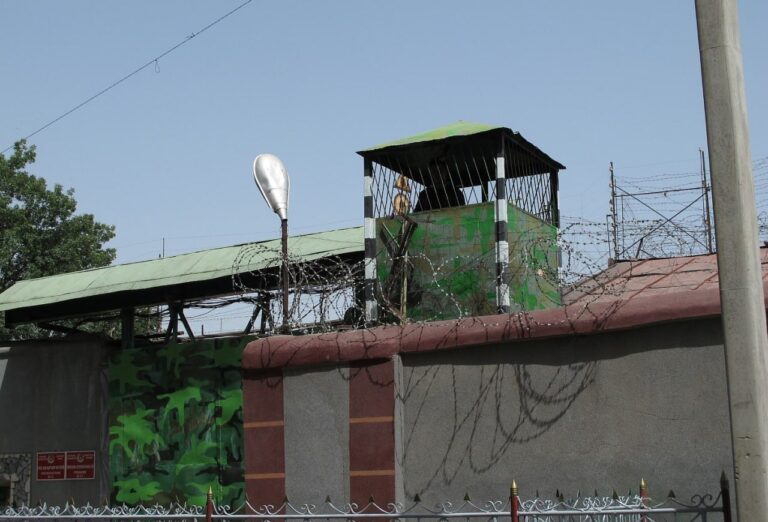
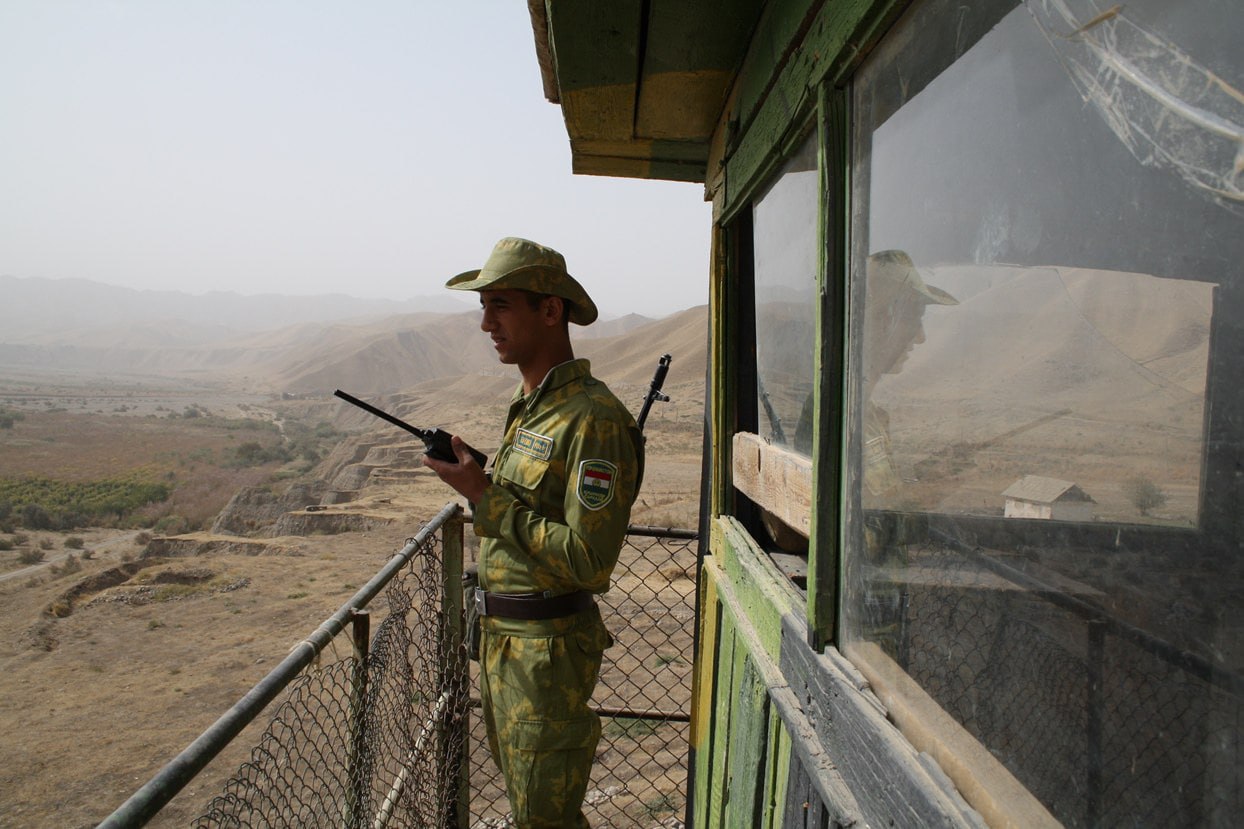
The confrontation between Tajik border guards and an armed group from Afghanistan took place on December 24 in the area guarded by Border Post No. 5 "Bogh" in the Shamsiddin-Shohin district of Khatlon province.
According to the Tajik State Committee for National Security (SCNS), two Tajik officers and three "members of a terrorist organization" were killed in the gunfight. Tajik authorities did not specify which terrorist group the attackers were affiliated with.
Hasht-e Subh reports that these militants, identified as members of Jamaat Ansarullah, operated in the border regions under the leadership of Khoja Bashir Nourzai, known as "Padarkhond." Nourzai is reportedly involved in drug trafficking from Afghanistan and is considered close to the Taliban leader.
In a statement, the CSNS of Tajikistan clarified that the attackers were attempting to carry out an armed assault on one of the border posts. The authorities confiscated three M-16 rifles, an AK-47 assault rifle, three pistols, ten hand grenades, a night scope, explosives, and other military supplies from the attackers.
The SCNS blamed the Taliban government for failing to fulfill its international obligations and promises to ensure security and stability on the Tajik-Afghan border and to combat terrorist organizations. The committee accused the Taliban of showing "irresponsibility and negligence."
Tajik authorities have expressed hope that the Taliban government will apologize to the people of Tajikistan and take "additional effective measures to ensure security on the border with Tajikistan."
So far, the Taliban government has not officially commented on the incident.
Earlier, on November 26 and 30, two attacks from Afghanistan targeted Tajikistan’s border regions, resulting in the deaths of five Chinese nationals and injuries to five others. The first attack targeted a mining company in the Shamsiddin-Shohin district and the second targeted a construction company in the Darvoz district of the Gorno-Badakhshan Autonomous Region (GBAO).
Tajikistan condemned these attacks and urged the Taliban to apprehend those responsible. The Taliban Ministry of Foreign Affairs stated that the attacks were carried out by groups aiming to "create instability and dissatisfaction among the countries of the region."
Tajik President Emomali Rahmon strongly condemned the attacks and instructed the heads of the country's security forces to take "effective measures to strengthen the border and prevent the recurrence of such incidents."
Jamaat Ansarullah, also known as the Society of Allah’s Soldiers, was founded in 2010 by Amriddin Tabarov, who had been a field commander for anti-government Islamist forces during Tajikistan's 1992-97 civil war. Tabarov, also known as Mullah Amriddin, was killed by Afghan government forces in 2015.
Initially, Ansarullah’s members were former Tajik opposition fighters who refused to accept a 1997 peace agreement between the government in Dushanbe and the Islamist-led opposition.
The so-called new generation — children and relatives of the initial members and supporters — have since joined the group.
Jamaat Ansarullah first came to light in September 2010 when the heretofore unknown organization claimed responsibility for a suicide attack on September 3 in Khujand. An explosives-packed car rammed into the building of the Sughd regional organized crime control department, killing two officers and two civilians and wounding 28 people. The suicide bomber was local resident Akmal Karimov, who was reportedly trained in al-Qaeda camps in Afghanistan and Pakistan.
In September 2011, Jamaat Ansarullah issued several videos calling on Tajikistan’s citizens to embrace jihad against “infidels” and urging them to take action to support the implementation of Islamic Sharia law. “Those who pray namaz, who follow fasting rules but support democracy are nonbelievers,” a man on the video said. “Allah is killing nonbelievers by our hands and, thus, blesses us.” Some politicians and experts, however, doubt whether these videos can really be traced back to Jamaat Ansarullah.
In May 2012, Tajikistan’s Supreme Court officially banned Jamaat Ansarullah as extremist on the basis of a suit filed by the Prosecutor-General’s Office.