How is climate change affecting the daily lives of Tajik farmers? How is agriculture transforming? And what technologies are helping local farmers adapt their crops to increasingly unpredictable weather? Our photo report by explores these pressing questions.
Greenhouse farming: turning challenges into opportunity
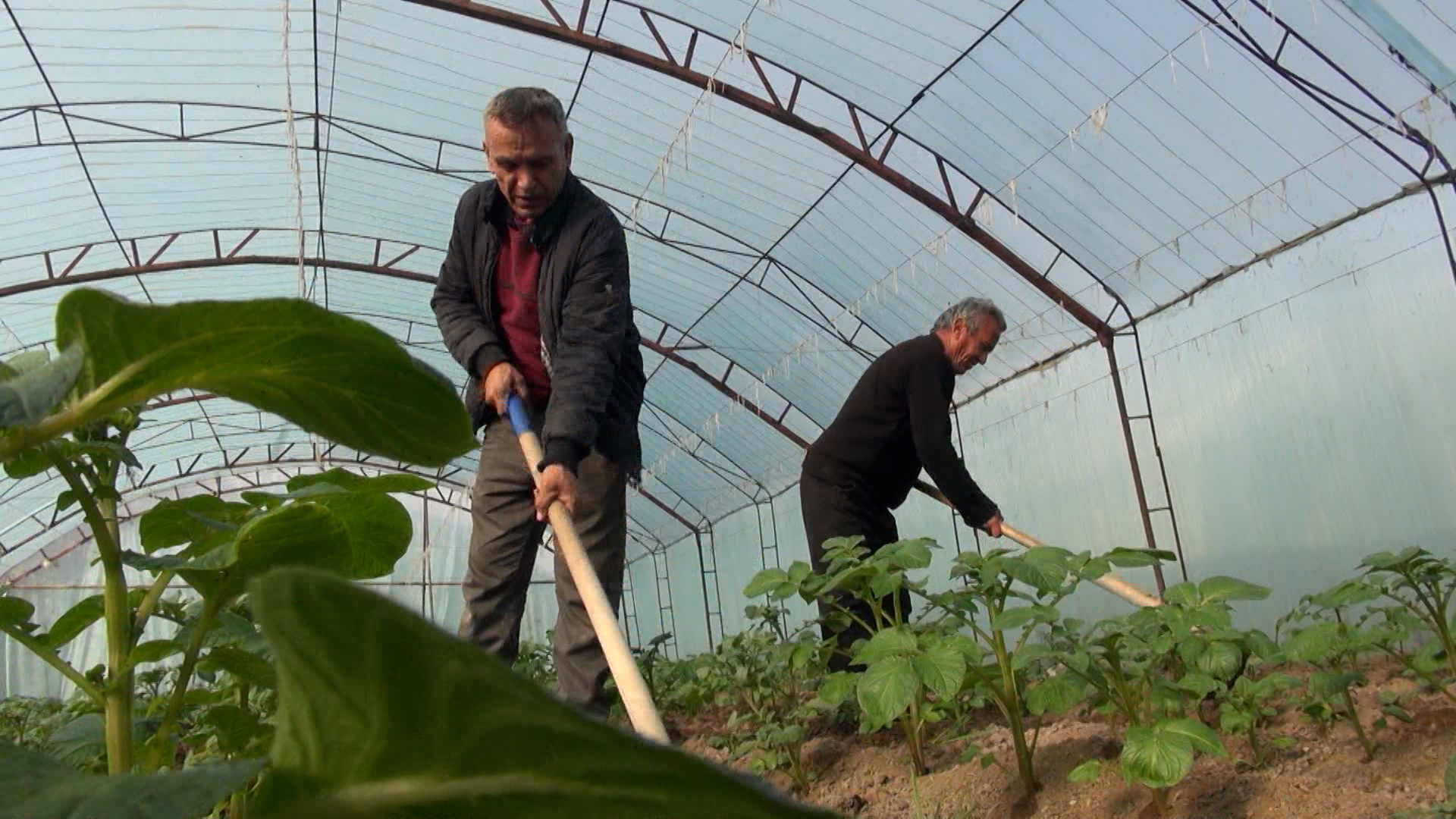
In these modern greenhouses, every drop of water and every seed matters. Using plastic sheeting, farmers control harsh weather conditions — turning cold into warmth, moderating intense heat, and overcoming drought to ensure reliable harvests.
Where greenhouses were once used primarily to shield crops from winter frost, they have now become a year-round solution — a key strategy in adapting to a changing climate. No longer just shelters, they are now tools for survival and success in agriculture.
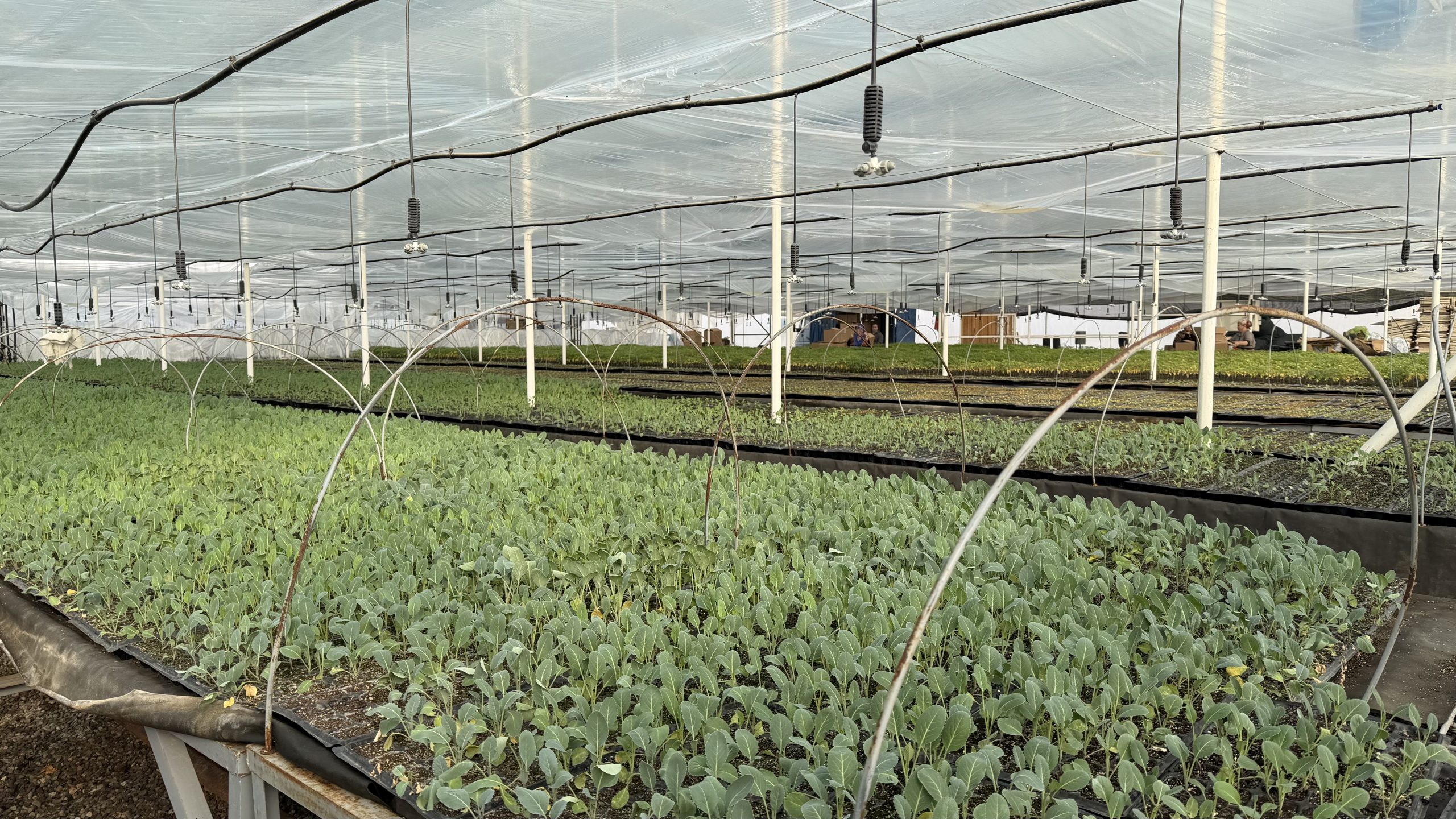
Photos taken in December show how greenhouses operate during the cold season. In summer, they serve as protective shields — with shading nets, ventilation, and drip irrigation systems keeping crops safe from extreme heat and dryness.
Drip irrigation: a lifeline in times of drought
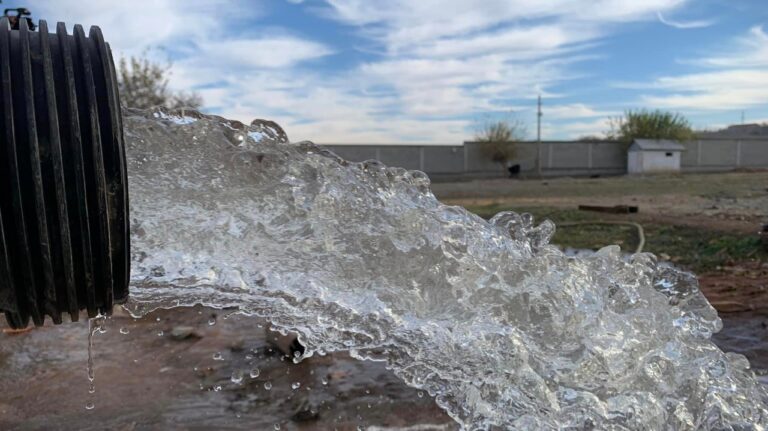
Lands that had remained uncultivated for decades are now fertile again — all thanks to drip irrigation. This system delivers water directly to plant roots, minimizing waste and making dry soil productive once more.
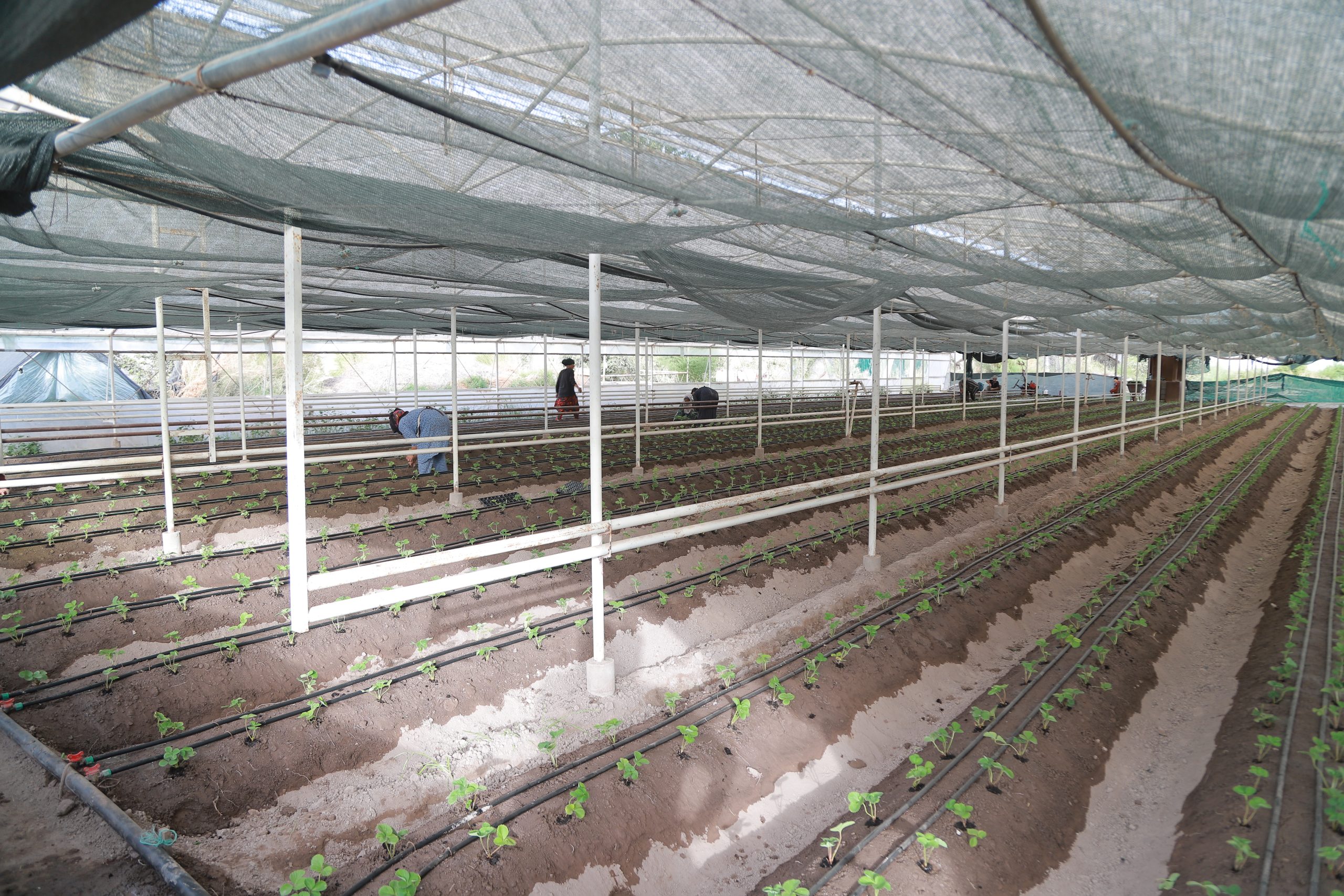
For Tajik farmers, drip irrigation is a game-changing tool, enabling them to fight back against climate shifts while maximizing both water and land efficiency.
Protection from heat and unexpected rain
In addition to plastic coverings, farmers use protective fabrics to shield crops from excessive sun, temperature swings, and sudden downpours.
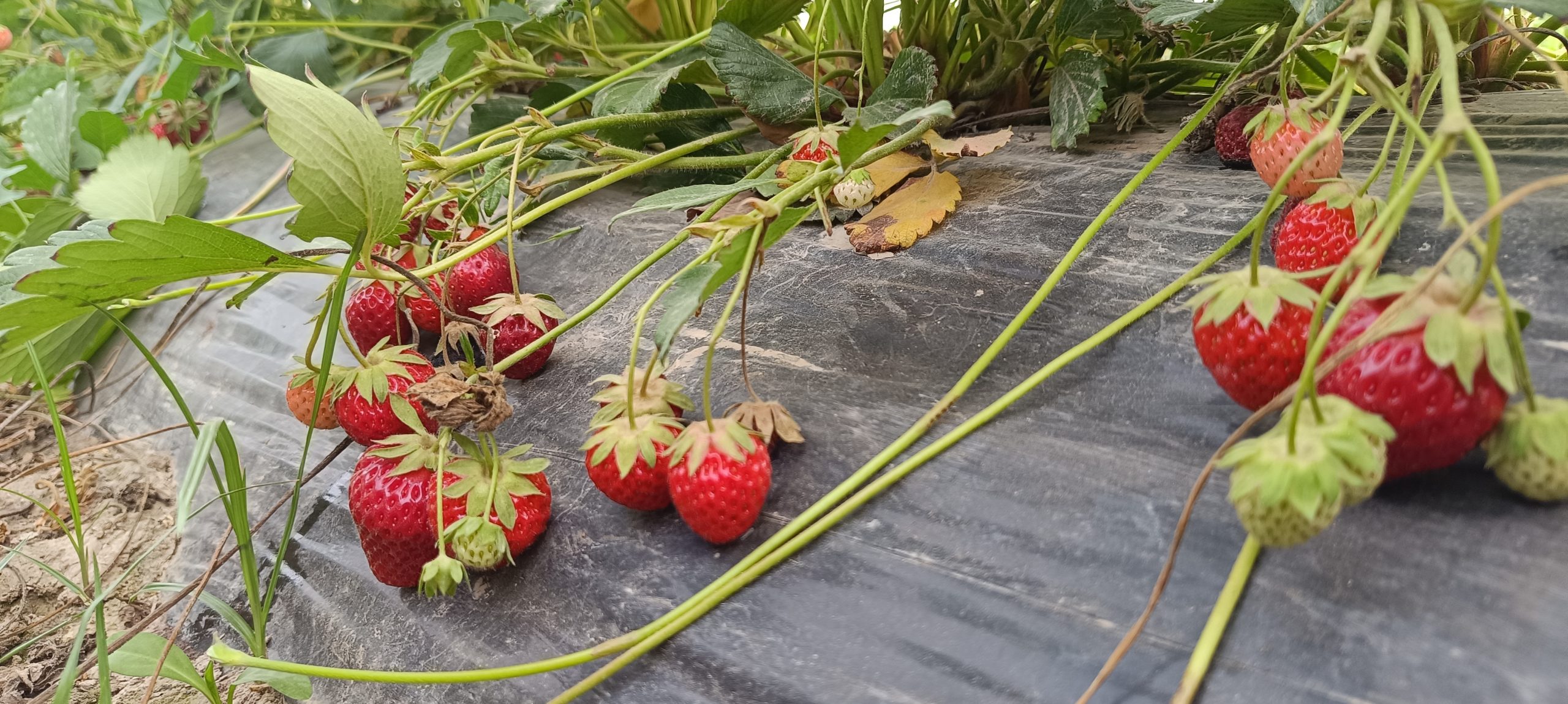
This approach is especially helpful when growing sensitive fruits like strawberries, which are vulnerable to rot and spoilage in unpredictable weather.
Tropical fruits thriving in a non-tropical climate
Climate change has prompted Tajik farmers to explore new crops. Today, even in non-tropical regions, bananas, grapefruits, mandarins, limes, and kiwis are being successfully cultivated.
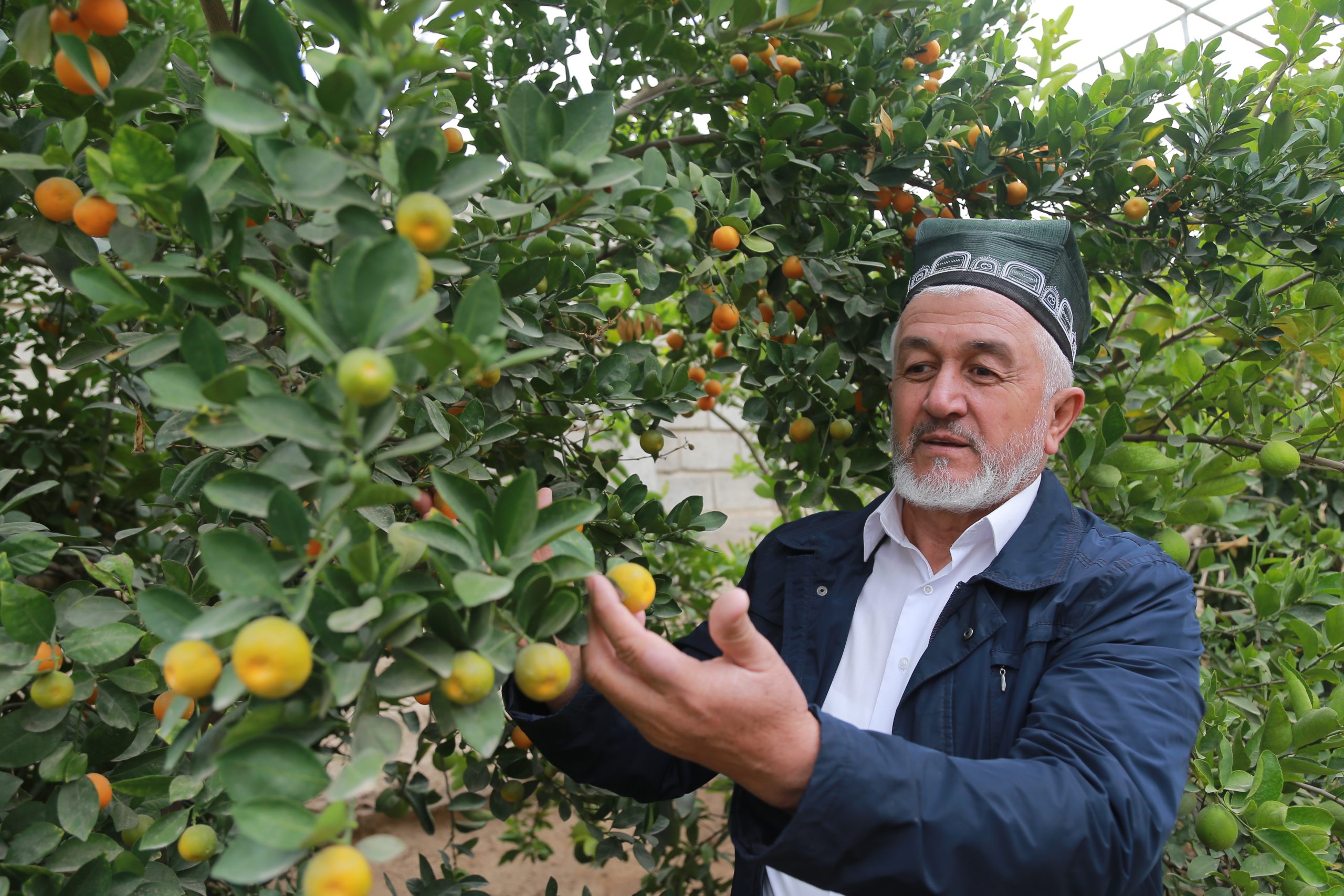
Thanks to modern technology, farmers can now recreate the necessary environment for these fruits to grow and bear fruit consistently.
The photos vividly illustrate how innovation and experience allow for sustainable tropical harvests in changing climates.
Pomegranates and mushrooms grown under control
In the Khatlon region, dry winters and shifting weather patterns threaten crops like pomegranates. To protect their yield, farmers now grow them in greenhouses, shielding the plants from cold and pests.
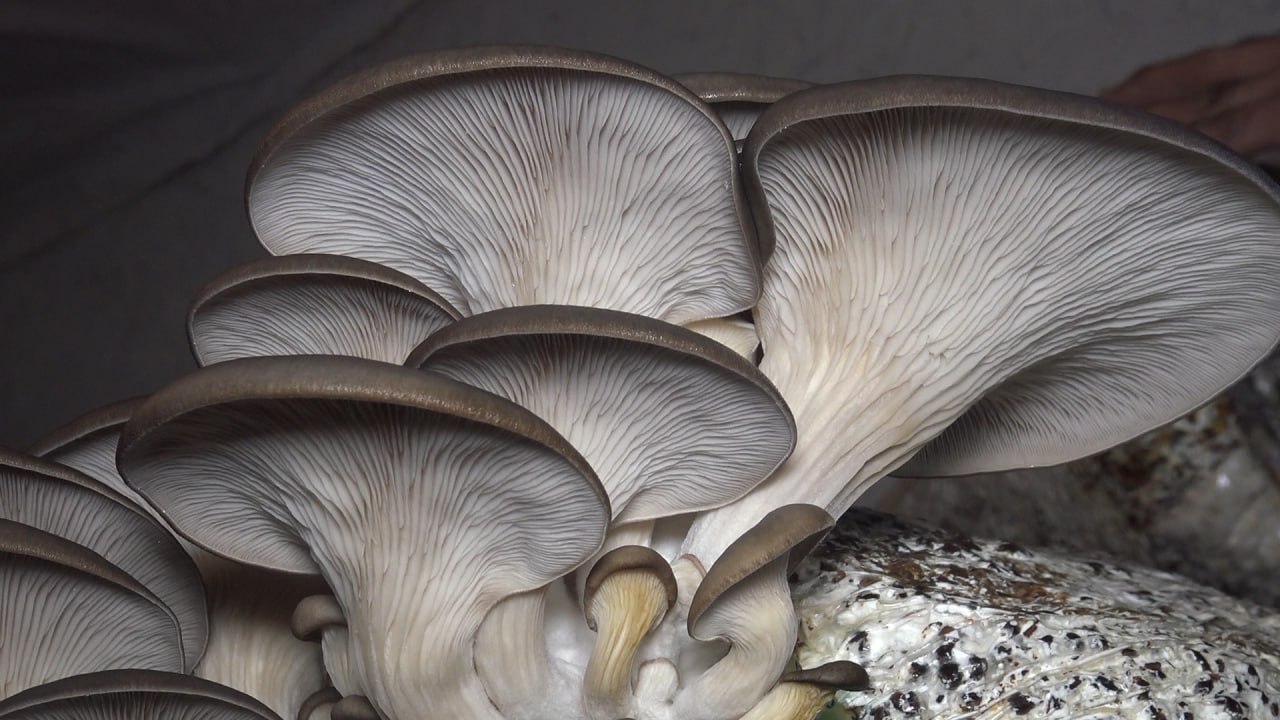
Mushrooms also thrive in artificial environments, ensuring local markets are supplied not only in spring but throughout winter as well.
Pumpkins under protection
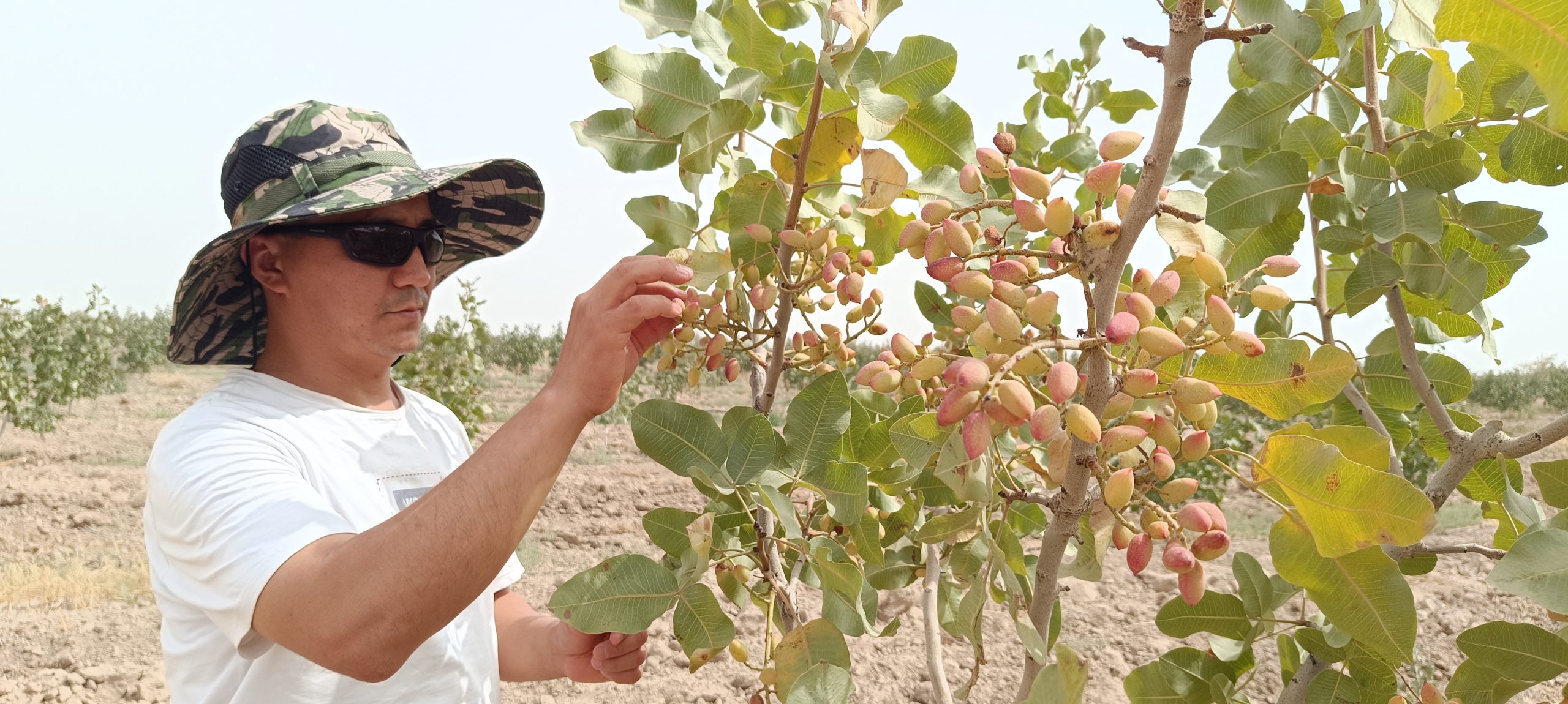
With the help of modern farming techniques, Tajik farmers have created stable growing conditions for pumpkins, shielding them from the influence of nearby crops, temperature fluctuations, and climate stressors.
Potatoes — no longer just a late spring crop
Traditionally, potatoes were planted in winter and harvested in late spring. Today, greenhouses allow for an earlier harvest — sometimes as early as early spring.
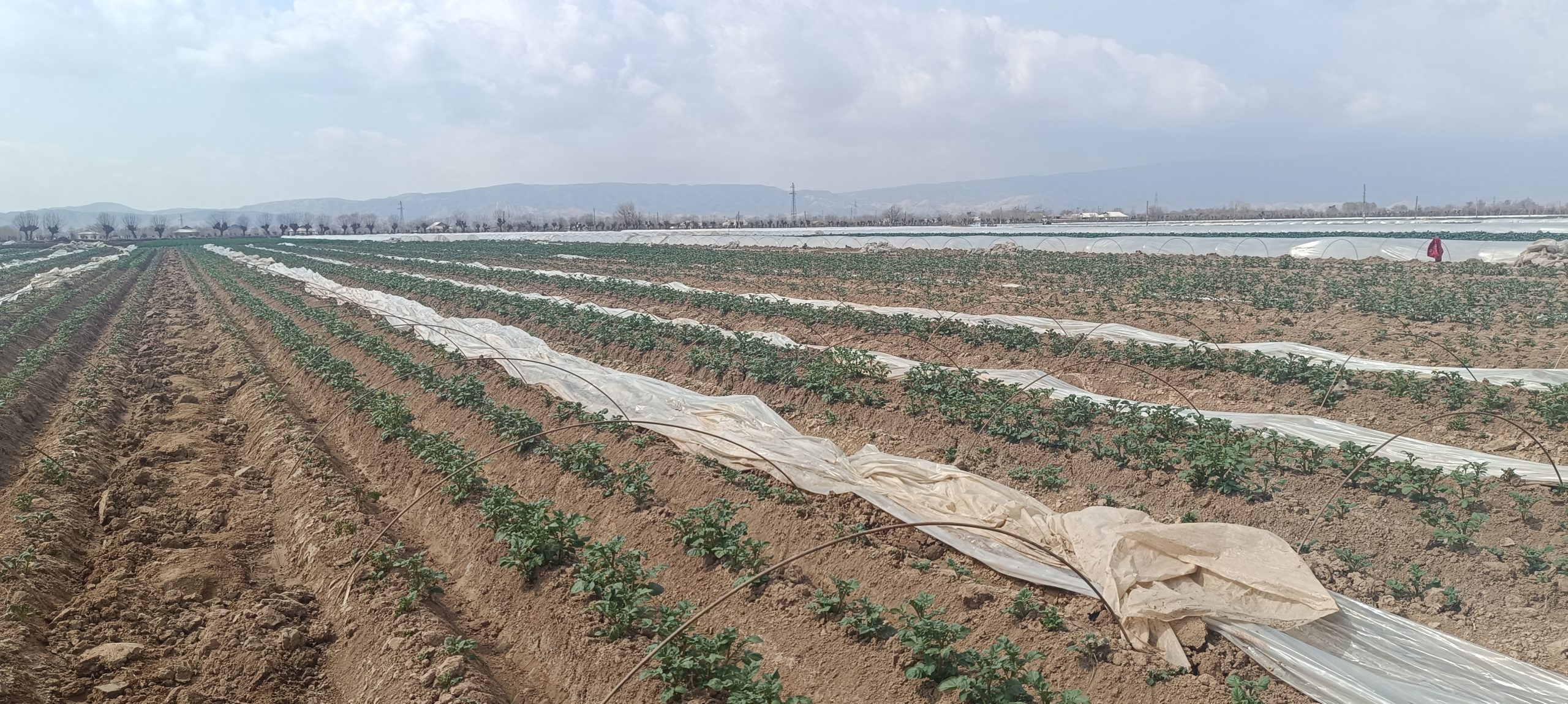
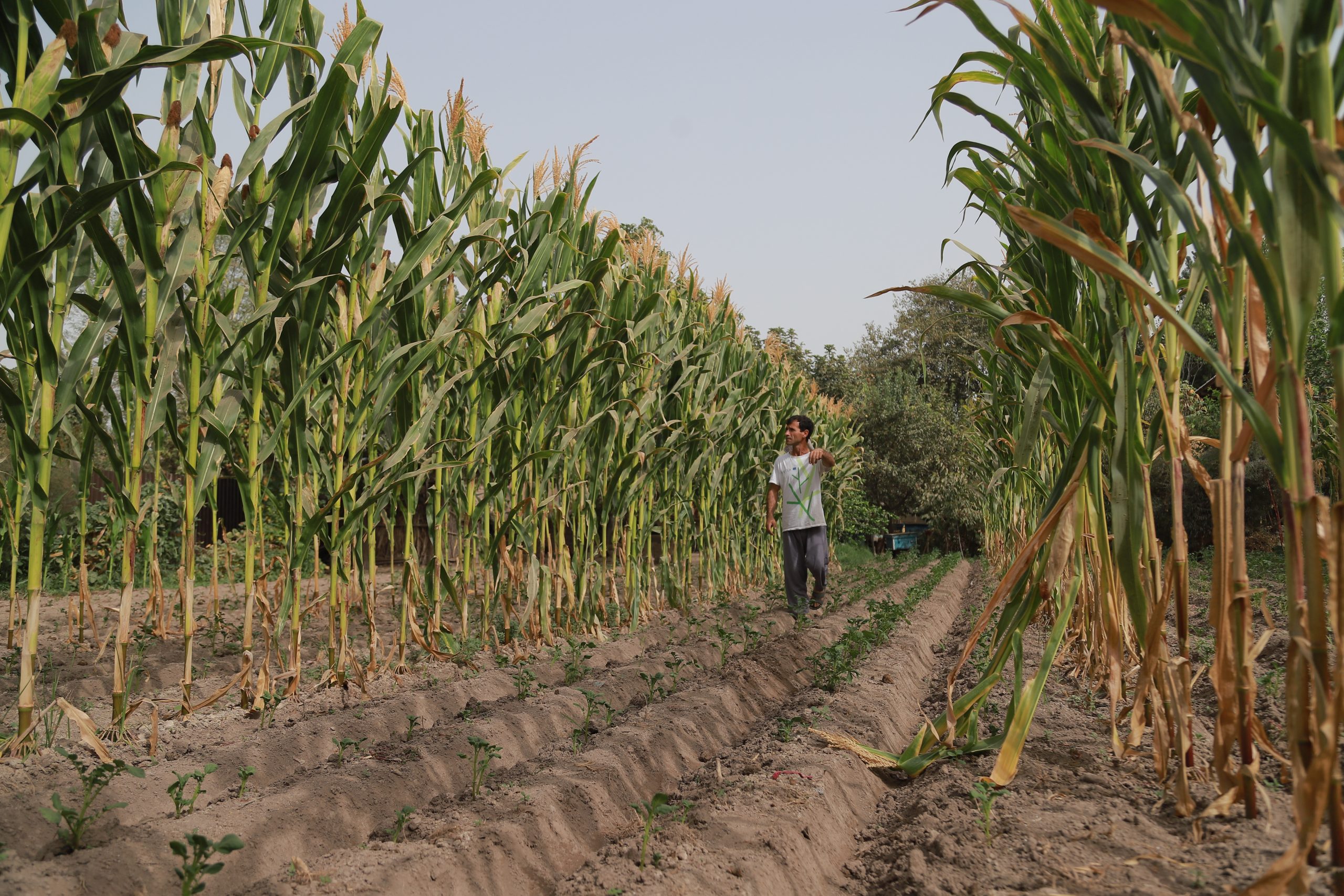
In a second planting cycle, potatoes are grown between rows of corn. The corn provides shade, helping to reduce heat stress on the potato crop. This intercropping method improves land use efficiency and promotes higher yields.
Climate-resilient seeds and varieties
Even cotton farming — a cornerstone of Tajik agriculture — has had to adapt. Climate-resilient local varieties and advanced planting methods are helping farmers maintain their yields.
To combat spring rains and summer heat, farmers plant cotton in double rows, use drip irrigation, and cover the crops with plastic sheeting. These techniques enable them to continue producing cotton reliably, even under challenging conditions.
All featured photos were taken in the outskirts of city of Bokhtar, the capital of Khatlon province.