The Moscow Regional Court has arrested the 19-year-old Imomali Turdiyev, a native of Tajikistan, on charges of murdering an 18-year-old Russian man in Elektrostal. The incident has sparked public debate regarding the legitimacy of Turdiyev’s actions and whether his defense can be framed as necessary self-defense.
On January 21, the Moscow Regional Court took Turdiyev into custody, suspecting him of killing the 18-year-old Russian citizen during a dispute in the city of Elektrostal. According to the court’s official page, criminal proceedings have been instituted against him under Article 105 (1) of Russia’s Criminal Code – murder; an investigation is underway. The charge carries a potential sentence of up to 15 years in prison.
Four days after the incident, Russian media began to publish more details about the case.
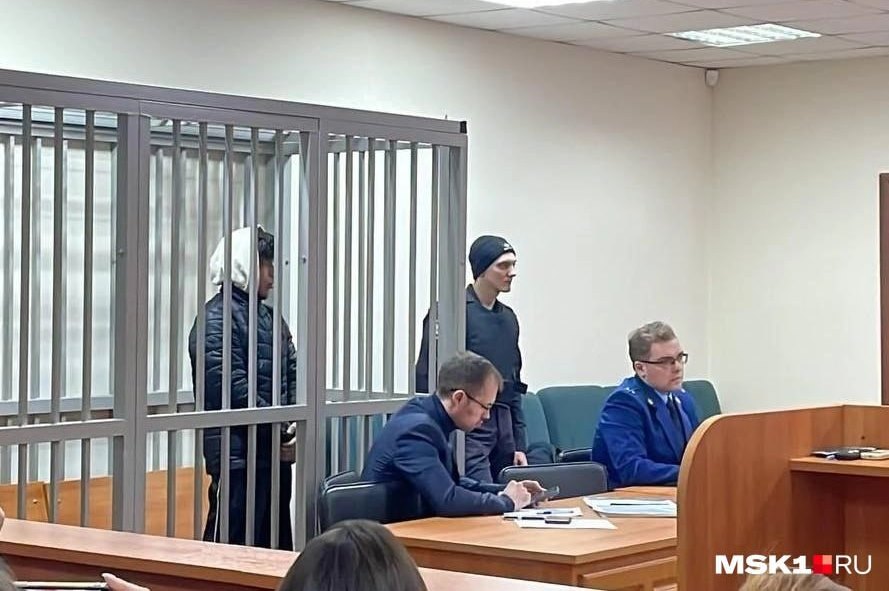
How did the incident unfold?
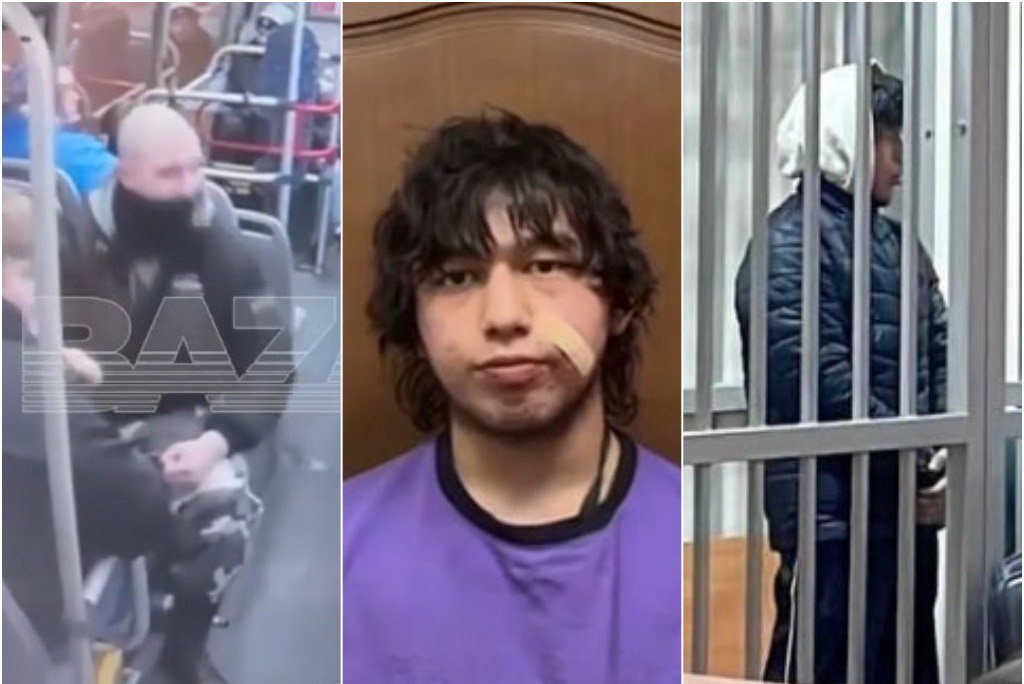
The incident took place on January 18 in Elektrostal, starting in a bus and continuing at a nearby bus stop. A group of young men began harassing women passengers with lewd gestures, which led to a confrontation when Turdiyev intervened to protect them. According to witnesses, Turdiyev approached the group of young men and scolded them, triggering a verbal exchange. The altercation continued after the group exited the bus and escalated into a physical fight at the nearby "Universam" bus stop.
A video from the scene shows that after Turdiyev and the young men left the bus, one of them, the 18-year-old Ilya P, sprayed pepper spray at Turdiev and then fired a flare gun at him. According to Russian authorities, Turdiyev then retaliated by stabbing him three times with a knife.
The video also shows the group of young men boarding another bus. The driver, upon learning that one of the men was wounded, took him to the nearest hospital, but the victim later died.
According to the project "Antifa.ru," the deceased, Ilya P., was known in neo-Nazi circles by the nickname Ilya Kvas. In 2025, he was involved in provocations during a memorial rally for lawyer Stanislav Markelov and journalist Anastasia Baburova, who were murdered in 2009 by neo-Nazi Nikita Tikhonov.
“He wanted to save money and get married"
According to MSK1.RU, which spoke to Turdiyev’s relatives, he is originally from Tajikistan and moved with his family to the Kemerovo region in Russia during his childhood before recently relocating to Moscow. He completed 9th grade and attempted to enter college but was unsuccessful. He later worked as a warehouse loader at Wildberries in Moscow.
Reports also suggest that Turdiyev held Russian citizenship. Some Russian media outlets have characterized the incident as "a migrant killing a Russian young man."
Safarzhon Turdiyev, Imomali's older brother, told MSK1.RU that he initially thought his brother had been killed and "never imagined that he could do something like this." "You can see that he did nothing wrong. He simply intervened. They started the fight with the women," he said.
According to Safarzhon, Imomali was the calmest child in the family and rarely got involved in fights at school. He had only recently started training in a gym. "I don’t know how it all started. May be because they insulted the woman, and he defended her. I think that’s the reason, and there’s no other explanation. Any normal person would have done the same," he added.
Safarzhon also mentioned that Imomali was returning from training, as indicated by the sports bag on his shoulder.
Imomali himself, during an interrogation, stated that he was in a state of shock and didn’t know what he was doing at the time.
The Tajikistani authorities, including the country's embassy in Russia, have yet to comment on the case, and attempts by Asia-Plus to get their response have been unsuccessful.
Meanwhile, the incident has sparked heated discussions on social media, with many arguing that Turdiev was acting in self-defense and resorted to violence only after being shot at with a flare gun.
"Turdiev had the right to defend himself"
Among those who condemned the criminal charges against Turdiyev for murder is Tajik lawyer Navrouz Odinayev, who commented on the situation on his Facebook page.
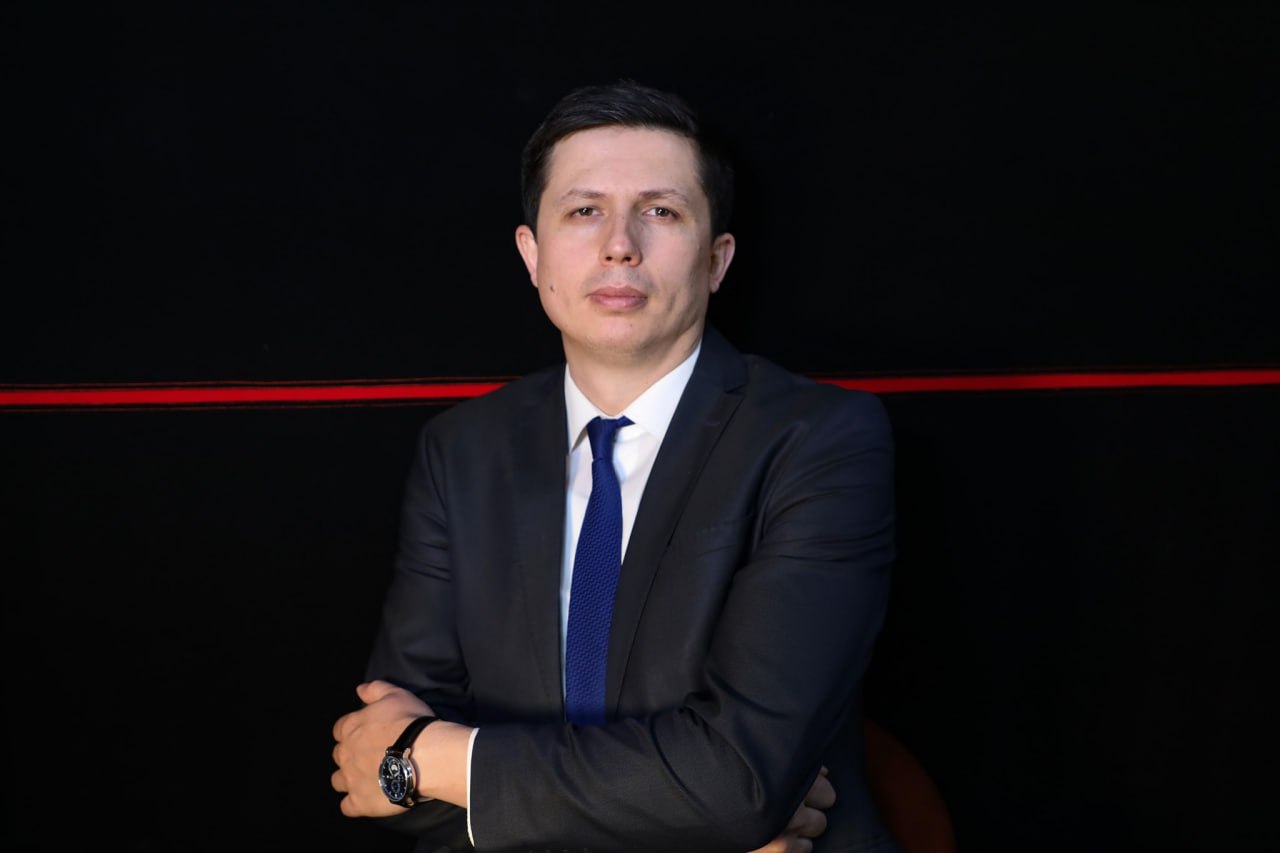
Odinayev stated that Turdiev’s conflict with the group of young men was triggered by their insults toward women, and that his use of a knife was a response to provocation. He argued that Turdiyev was reacting to a serious violation of public order while defending the rights and interests of others in a public place. According to Odinayev, if four individuals are attacking one person and shoot at him with a flare gun, the person has the right to defend himself.
He referred to the Russian Criminal Code, Article 37, Part 1, which states: "Harm caused to an intruder in a state of necessary defense is not considered a crime, i.e., when defending oneself or others, protecting public interests or the interests of the state from a public danger." He believes that, based on the circumstances, Turdiev should be fully exonerated from criminal liability.
"Even if the Russian investigators conclude that Turdiyev exceeded the limits of self-defense, the legal qualification should be changed to Part 1, Article 108 of the Criminal Code — murder committed while exceeding the limits of necessary defense," Odinayev added. "The maximum punishment for this article is up to two years in prison."
He stressed that Turdiyev should receive qualified legal defense and a competent lawyer to represent his case in court.
"Based on all available data and published videos, it is clear that Turdiev acted without criminal intent, with good intentions, and in defense of others and public order, which was being severely violated by a group of young men," Odinayev reiterated.
Additionally, according to some reports, the young men involved, including the deceased, may have been part of neo-Nazi groups, he noted. "Membership in such organizations doesn’t justify the taking of life, but the character of the individuals, combined with other circumstances, is significant for a legal assessment of the events," Odinayev added.
It is important to note that crimes or offenses committed by migrants or people from Central Asia in Russia are widely covered in local media and often condemned. Meanwhile, crimes against migrants are frequently ignored, with media and authorities either avoiding coverage or presenting them in a biased manner. A notable example is the murder of 10-year-old Qobijon Aliyev, killed by a 15-year-old Russian teenager at a school, which sparked outrage in Tajikistan and other Central Asian countries but was barely reported in Russian federal media, or was treated as a regular criminal incident.