The Taliban government in Afghanistan has implemented a new criminal procedure code, signed by the supreme leader, Mullah Hibatullah Akhundzada, on January 24, 2026. The code has provoked widespread criticism both within the country and internationally, with experts and human rights defenders claiming it legitimizes gender and social discrimination, according to Azattyq Asia.
The new code introduces class segregation, offering privileges to the wealthy and aristocratic. For example, mullahs and aristocrats are likely to receive more lenient punishments even for serious offenses. Afghanistan expert Ghaus Janbaz notes that the Taliban is protecting its own class with these provisions.
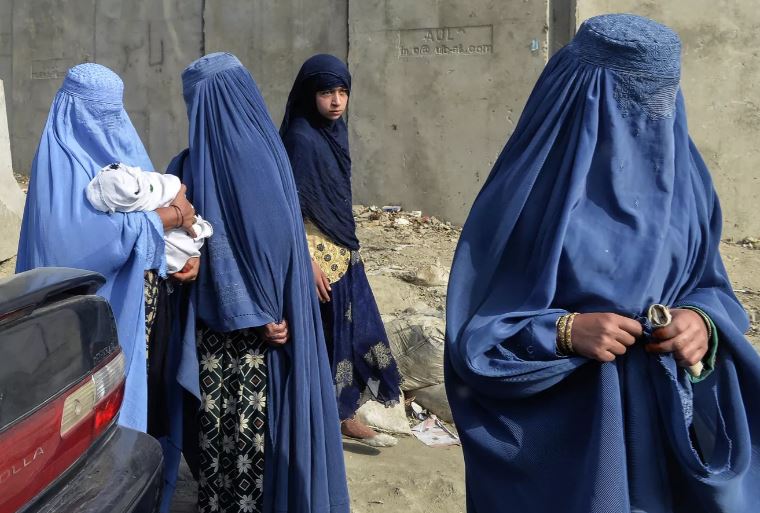
The code also contains discriminatory provisions against women. For instance, a man who severely beats his wife could face only 15 days in jail, while organizing cockfighting could result in up to five months of imprisonment. Pakistani human rights activist and Nobel Peace Prize laureate Malala Yousafzai stated that this code marks the formal legalization of "gender apartheid" in Afghanistan.
Religious scholars have also criticized the code, claiming Akhundzada is using his own interpretation of Sharia law to create an authoritarian regime.
Religious expert Faridoun Hodizoda believes that through this code, Akhundzada is consolidating all power in his hands, criminalizing any disobedience to his orders.
International organizations, including the UN, have expressed concern about the consequences of the new code for the Afghan population. UN Special Rapporteur on Human Rights in Afghanistan, Richard Bennett, emphasized that the impact on ordinary citizens could be extremely negative.
The Taliban formally declares its adherence to the Hanafi school of thought, a theological-legal school in Islam known for its flexibility in legal rulings.
However, researchers point out that in practice, the Taliban rely on a more conservative religious approach, combining Islamic norms with Pashtun tribal customs and traditions. This allows the Taliban's theologians to interpret Sharia law in their own way, often leading to harsh and narrowly defined decisions regarding the rights and duties of citizens, especially women.