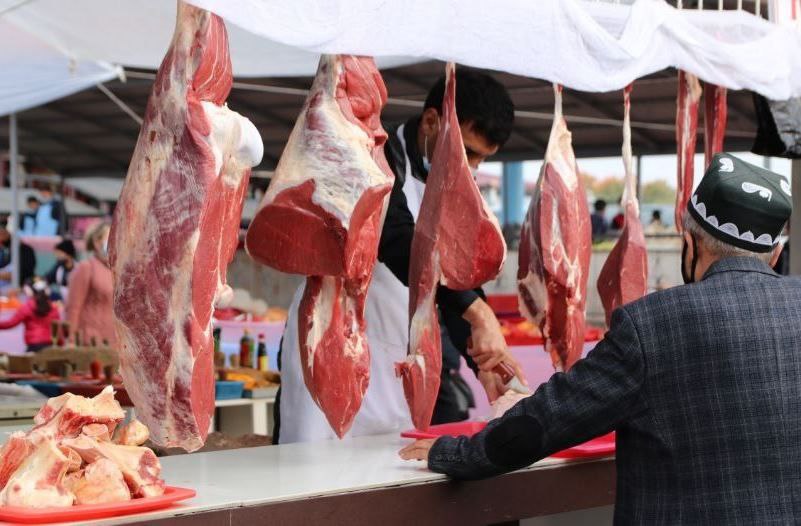
The Dushanbe Police Department has urged local entrepreneurs and traders to avoid raising prices on food products during the holy month of Ramadan. The department reminded that Ramadan is a time for mercy, good deeds, and spiritual renewal, but some unscrupulous individuals are taking advantage of the increased demand to artificially inflate prices, which contradicts both moral and spiritual values.
The city's police stated that they are working with other relevant authorities to monitor food prices and conduct awareness campaigns aimed at controlling the cost of essential goods. Traders, entrepreneurs, and suppliers have been urged to maintain price balance and work ethically. The police warned that any violations would be met with legal action.
In his message congratulating citizens for Ramadan, Tajik President Emomali Rahmon also urged fairness in trading, avoiding wasteful feasts and excessive consumption of food, as these actions contradict the essence of the holy month.
The president emphasized that performing good deeds during Ramadan is rewarded more than at other times of the year. He expressed confidence that the people of Tajikistan, who understand the lessons of Ramadan, will continue working for the prosperity of the country and the unity of the nation.
According to Tajikistan’s Shuroi Ulamo (Council of Ulema -– Tajikistan’s highest Islamic institution), Ramadan in 2026 begins on February 19 and lasts until March 20.
Changes have been made to the amounts of sadaqa al-fitr (also known as zakat al-fitr), zakat and fidya this year due to fluctuations in the prices of gold and wheat.
The amount of sadaqa al-fitr this year has decreased compared to last year, now set at 7.00 somoni per person, 1 somoni less than in 2025.
Zakat has also changed — for those with savings of 64,000 somoni or more, zakat will be 1600 somoni, nearly double the previous year's amount of 880 somoni for savings of 36,900 somoni.
For those unable to fast due to valid reasons, fidya for 30 days in 2026 will amount to 420 somoni (14 somoni per day), 60 somoni less than the 2025 amount of 480 somoni.
The Committee on Religious Affairs (CRA) says the adjustments to the sadaqa al-fitr, zakat and fidya amounts are due to changes in the prices of gold and wheat, which influence these calculations.