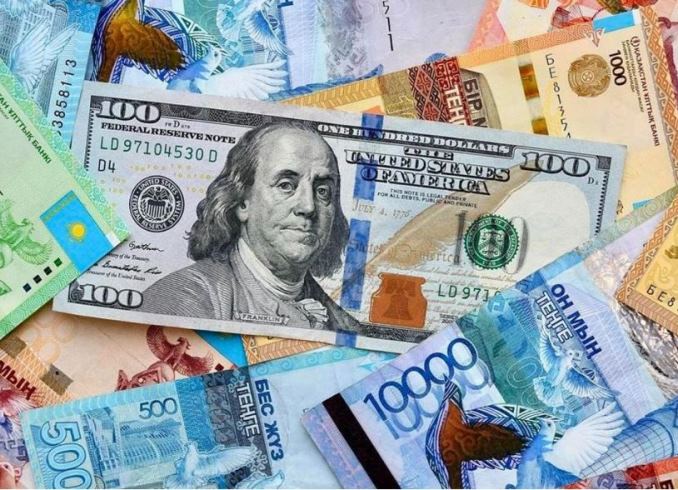
Eurasianet reports that recent data from Kazakhstan's National Bank has dispelled reports suggesting the Chinese yuan is overtaking the US dollar in Central Asia. Despite claims of growing yuan use in business exchanges, official statistics for 2025 show the US dollar remains the dominant currency.
While yuan sales grew by 350% from 2023 to 2025, the US dollar still holds the lion’s share of Kazakhstan's foreign currency market. Yuan transactions rose from 285 billion Kazakh tenge in 2023 to 1.3 trillion tenge in 2025, while dollar sales surged from 18.6 trillion tenge to 36 trillion tenge. In 2025, the dollar accounted for 75% of foreign currency sales, with the yuan’s share limited to just over 5%.
Trade discrepancies between Kazakhstan and China
Trade data between Kazakhstan and China also shows discrepancies. Kazakhstan reported a 2.0% increase in freight handled at the Khorgos Gateway Dry Port, while China’s Xinhua claimed a 5.0% rise, highlighting differences in reporting.
Challenges in grain exports to China
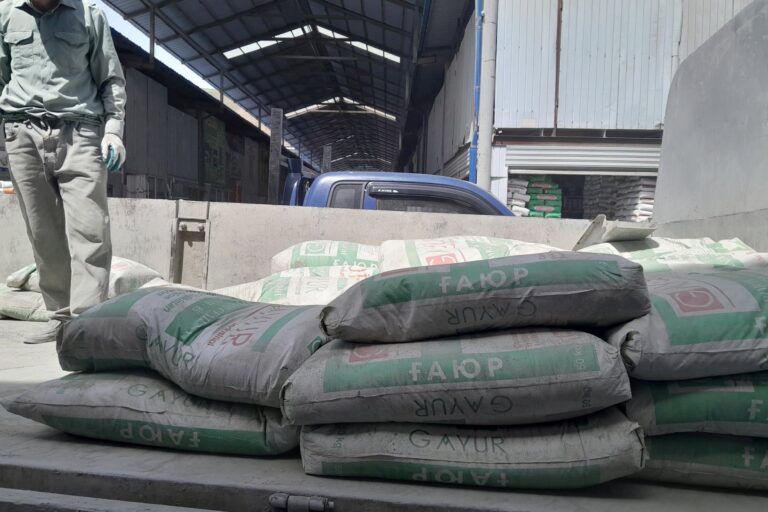
Kazakhstan continues to face issues with grain exports to China. Though the Ministry of Agriculture approved a grain processing facility for export, recent delays and rejections at the border have raised concerns about meeting Chinese quality standards. However, Kazakhstan successfully delivered a shipment of 12,300 tons of animal feed to China.
Chinese investments in Kazakhstan’s automotive and dairy sectors
Chinese automaker BYD, in its first year in Kazakhstan, sold 3,245 vehicles, reaching 11th place in sales rankings. The company plans to expand its offerings in 2026. Chinese dairy giant Mengniu Group is also exploring investment opportunities in Kazakhstan’s dairy sector, with discussions underway on processing and raw material projects.
Political and infrastructure developments in Kyrgyzstan
In Kyrgyzstan, the China-Kyrgyzstan-Uzbekistan railroad is progressing slowly, with only 5% of infrastructure expected to be completed by the end of 2026. This raises doubts about meeting the 2030 completion target. Meanwhile, digitalized procedures have streamlined the process for Kyrgyz truckers to obtain international transport permits at the Chinese border.
China Southern Airlines is planning to launch a twice-weekly flight from Bishkek to Guangzhou in March 2026, expanding air connections between the two countries.
Uzbekistan’s growing ties with China
China is expanding its role in Uzbekistan’s energy sector, with TBEA Co., Ltd. upgrading three hydropower stations and Sinohydro modernizing two more. Uzbekistan is also adopting Chinese methods to combat desertification and is increasing its solar energy capacity with investments from Chinese firms.
In the automotive sector, Uzbekistan's ADM Group has partnered with Chinese automaker GWM to distribute the TANK brand and assemble vehicles locally. Additionally, Uzbekistan Railways is enhancing its digital infrastructure through a partnership with China’s Huawei.
Conclusion
Despite rising reports of yuan usage, the US dollar remains dominant in Central Asia's foreign currency market. Meanwhile, China continues to deepen its economic ties with the region through investments in energy, infrastructure, and automotive sectors, signaling continued regional growth and integration.