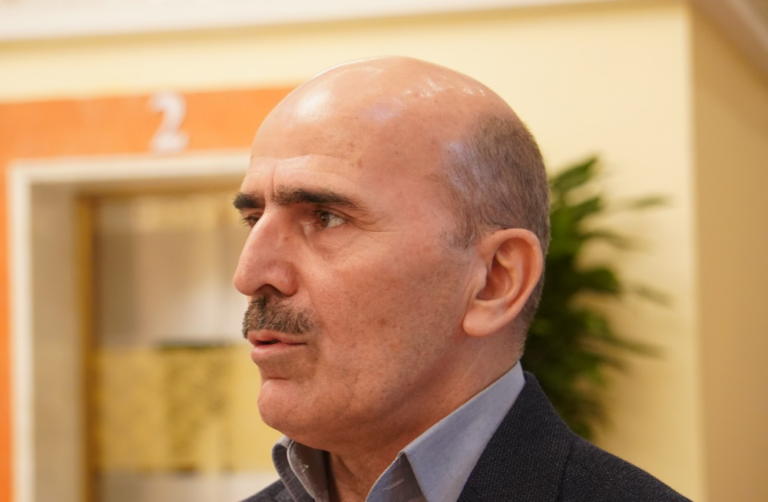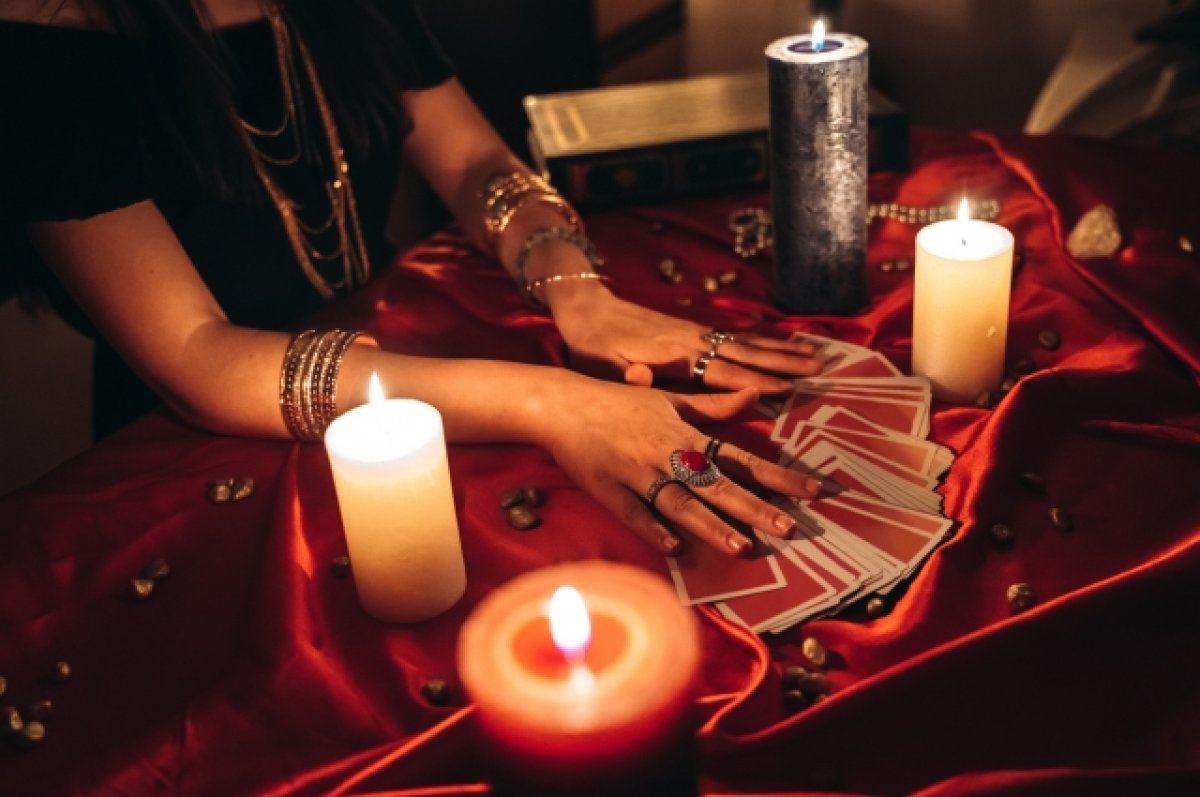
On February 12, 2026, Tajikistan's Minister of Internal Affairs, Ramazon Rahimzoda, expressed concern during a press conference about the growing belief in sorcerers and fortune tellers in the country. He stated that, as of early 2026, there were over 5,000 registered sorcerers, fortune tellers, and "wandering mullahs" (likely referring to "self-taught mullahs" without proper religious education) in Tajikistan.
According to Rahimzoda, these individuals "encourage people towards terrorism and extremism" and have been placed on a special list, which was created in early 2024. The list also includes clients of these "specialists." The minister emphasized, "People continue to believe in witchcraft and magic. Sorcerers and wandering mullahs are leading people towards terrorism and extremism."
Rahimzoda expressed concern that Tajik citizens are going into debt to perform Umrah (a smaller pilgrimage to Mecca), while still believing in magic and fortune-telling. He noted that 7,500 people went to Umrah in 2025 alone.
However, the minister did not specify what punishment had been imposed on the registered sorcerers and fortune tellers.
Punishments for sorcerers, fortune tellers, and their clients
In April 2024, the Ministry of Internal Affairs announced that it was compiling a list of sorcerers, mullahs, and individuals involved in illegal religious teaching. Later, in August of the same year, the Ministry declared that anyone seeking the services of sorcerers and fortune tellers would be summoned by the authorities, and their personal information, including photographs, would be entered into the Ministry's database.
For those who profit from deceiving people, such as fortune tellers and sorcerers, punishment can include compulsory labor for up to six months. According to changes made to Article 482 of the Administrative Code of Tajikistan on June 21, 2025, those engaged in fortune-telling and witchcraft can face a fine of 80 to 100 calculation units or administrative arrest for 10 to 15 days. As of 2026, one calculation unit is equivalent to 78 somoni.
Additionally, a new article, Article 240(1), was added to the Criminal Code. It states that if these actions are repeated within a year of an administrative penalty, criminal charges will be filed. Sorcerers and fortune tellers could face fines ranging from 1,500 to 2,000 calculation units (112,500 to 150,000 somoni) or imprisonment for one to two years.
It is important to note that the operation to detain sorcerers, fortune tellers, and magicians has been ongoing for two years and is becoming increasingly active. Nearly every information program by the Ministry of Internal Affairs reports on these arrests, with operations continuing in various regions of the country.
The public's reliance on sorcerers and fortune tellers
Behrouz Sattorov, the chief imam-khatib of the Sari Osiyo mosque in Dushanbe, previously explained in an Asia-Plus talk show that, despite prohibitive measures, many Tajiks are still willing to take risks by visiting sorcerers and fortune tellers. They seek connections to the supernatural, good luck, relief from the evil eye, jobs, love, or even healing.
He emphasized that magic and witchcraft are among the gravest sins in Islam, leading to significant disbelief. "But people still go to fortune tellers and sorcerers, which shows weakness in faith and a lack of sufficient religious and modern knowledge."
Rustam Azizi, a religious expert, pointed out that most people turn to sorcerers and fortune tellers due to problems in their lives, such as health issues, family troubles, or business difficulties. They pursue this path due to a low level of both scientific and religious worldview.
Instead of, for example, seeking help from psychologists, people ask sorcerers for assistance. However, Azizi notes that people in Tajikistan do not trust psychologists: "Our psychology school, from the Soviet era, approaches psychological issues from a physiological perspective."
Psychologist Mahmoudshoh Kabirov noted that there is now a special system in Tajikistan's medical field dedicated to psychological needs, and the media should help raise awareness about this. "Even mullahs who exorcise jinns are coming to psychologists. They know we diagnose and determine the person's condition and show them the right path."
Umarjon Emomali, an official with the Ministry of Internal Affairs, also stated that in order to reduce the practice of visiting fortune tellers, the country needs psychologists: "They can help people understand that nothing can be done with a knife, needle, or horseshoe."
Journalist Saidehson Soliyev believes that people often turn to sorcerers because they are sometimes mistakenly called "mullahs" by the public. "Although this is not true, someone might mistakenly call them that once, and others, believing it, go to them because mullahs are generally trusted by the people."
Islamic views on witchcraft and fortune telling
According to Islamic teachings, witchcraft is considered a satanic practice and is strictly forbidden. Fortune telling and attempts to predict the future are also not encouraged. This is considered sinful for both those who try to learn about their future and those who assist them.
"Though this is not the case, some people mistakenly call them that, and others, believing it, go to them," explains Soliyev. "After all, in the public’s perception, mullahs are trusted."