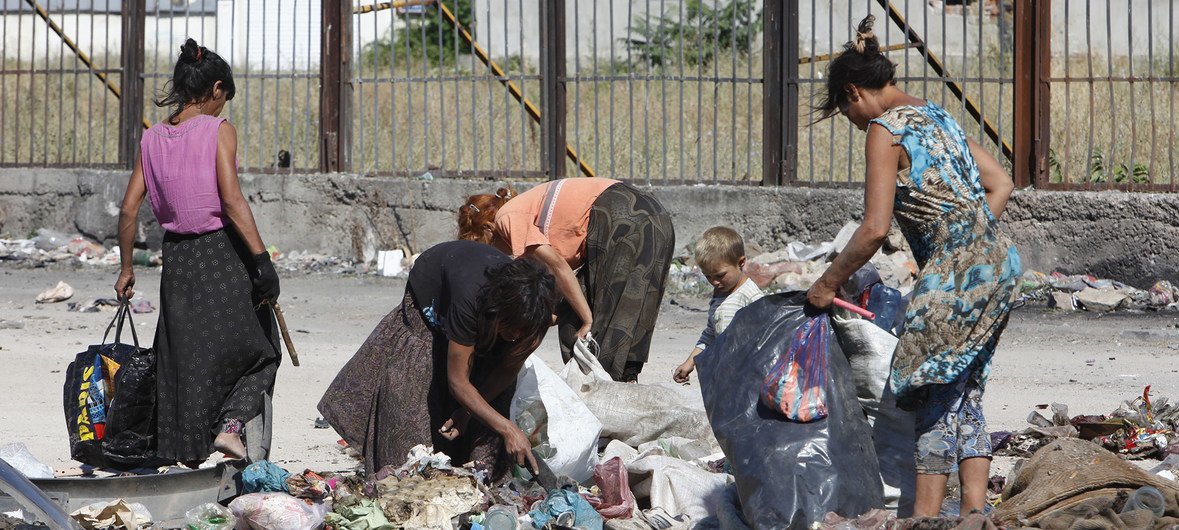
Around 32 million people worldwide are at risk of falling below the poverty line due to the economic consequences and the intensification of the military conflict in the Middle East, according to a report by the United Nations Development Programme (UNDP).
The ongoing confrontation affects tens of millions of people in 162 countries. The most vulnerable are the Gulf states, as well as countries in Asia, Africa, and small island states.
The UNDP emphasizes that even with a temporary ceasefire, the crisis shifts from an “acute” to a “prolonged” stage. The longer this situation persists, the higher the risk of accelerated poverty growth—in a negative scenario, up to 32 million more people could fall below the poverty line.
While the main impact is on countries directly involved in the conflict and those dependent on energy imports, experts note long-term consequences for poorer countries, even those far from the conflict zone.
“War is a setback for development. It can destroy the results of years of work in just a few weeks. Our analysis shows that the escalation in the Middle East affects not only the directly involved countries but hits particularly hard those with fewer resources to adapt to rising energy and food prices. They face a choice: curb prices today or invest in healthcare, education, and jobs tomorrow. This is unacceptable, and it can be avoided. Timely measures play a key role,” said UNDP Administrator and UN Deputy Secretary-General Alexander De Croo.
To mitigate the consequences of the crisis, the organization proposes a range of measures. Specifically, it suggests introducing targeted and temporary cash payments to support low-income and vulnerable families—this could require up to 6 billion dollars.
It also recommends implementing temporary subsidies and providing vouchers for basic electricity and gas consumption.
However, the report warns against universal energy subsidies that keep prices below market levels. These measures are often used in developing countries but mainly benefit the affluent and are financially unsustainable in the long term.