DUSHANBE, December 2, 2009, Asia-Plus — The demographic boom that has occurred in Central Asia over the past 50 years has caused irrational and extensive development of lands and water resources in the region, Tajik Foreign Minister Hamrokhon Zarifi announced at the 17th OSCE Ministerial Council in Athens yesterday.
According to him, such a situation is a serious challenge to the future wellbeing and prosperity of the region and the OSCE, as one of key regional players, should play a special role in helping address the challenge.
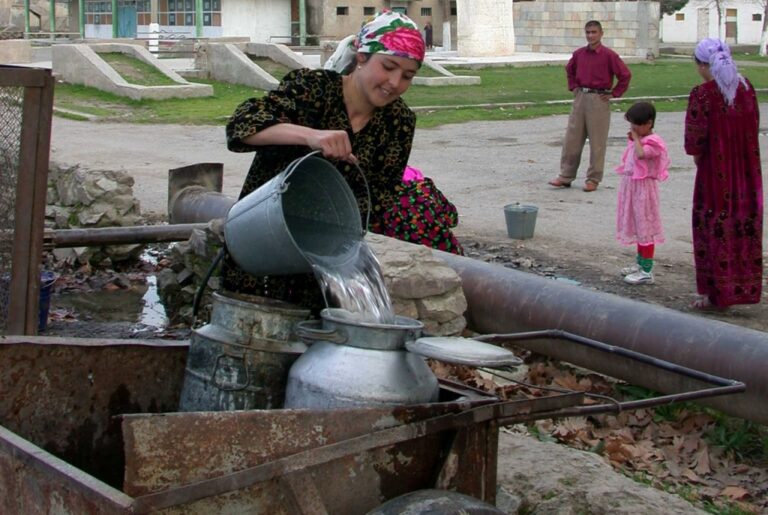
In our opinion, the OSCE should more actively take part in the process and work out mechanism of early prevention of possible conflict scenarios with regard to effects of this threat, first of all, shortage of drinking and irrigation water, desertification and bogging of vast territories, food shortages and mass migration, Tajik minister said. In this context, the OSCE together with other international organizations could help establish dialogue among the Central Asian countries to discuss and find consensus on pressing issues.
“It is generally known that the Aral Sea problem arose as an option between economic and environmental requirements of the region’s countries,” said Zarifi, “Irrational use of water resources in the second half of the 20th century and development of an extensive farming without regard to effects for the environment have led to gradual degradation and desiccation of the Aral Sea. It was an extensive expansion of irrigated lands in the downstream countries that caused this global disaster…”
He noted that in accordance with strategic decision of the OSCE Ministerial Council in Maastricht 2003, the OSCE participating States committed to develop open dialogue in the field of energy security and energy resources. According to him, energy, including hydropower, is a significant condition for sustainable socioeconomic development, rise in wellbeing of the population and reduction of poverty in developing countries, and “Tajikistan is not the exception.”
He noted that only concerted and mutually beneficial approach of all countries of Central Asia to the issue of rational use of water-and-energy resources and other natural resources would help tackle common energy and environmental problems and ensure sustainable development of the region in the future. “It is absolutely fair that under conditions of lack of explored mineral resources and effects of the energy crisis, the Government of Tajikistan has begun developing hydropower and constructing hydropower facilities in recent years as one of priorities for the near-term outlook. Further development of Tajikistan’s hydropower potential that exceeds actual requirements of the region three and more times will allow meeting not only increasing requirements of neighboring countries, it will also allow significantly increasing irrigation opportunities of the irrigated lands in the downstream countries.”
According to him, energy security of Tajikistan cannot be provided at the expense of interests of neighboring countries. “In this connection, we consider that the way out of this stalemate is possible only under the coordinated regional policy, sustainable functioning of the scheme of water-and-energy exchange and joint development of hydropower potential of the region. Tajikistan is determined to openly and transparently implement national projects in the field of hydropower with participation of all interested regional and international partners, with taking into consideration conclusions and recommendations of competent independent organizations and institutions.”