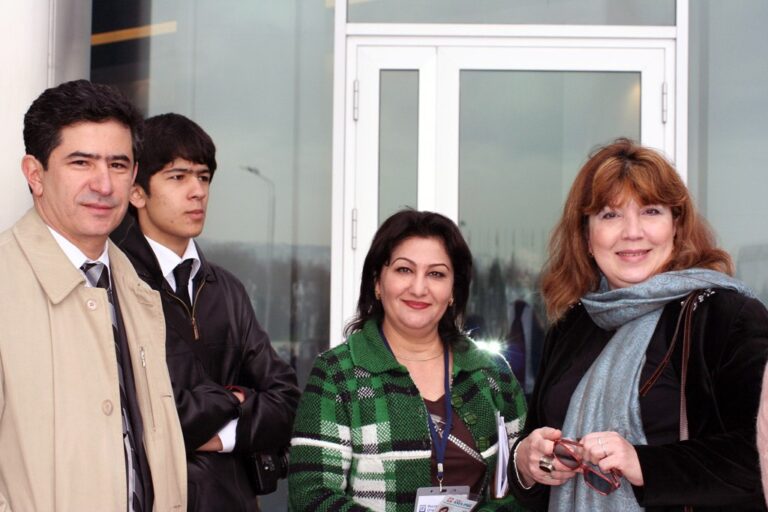
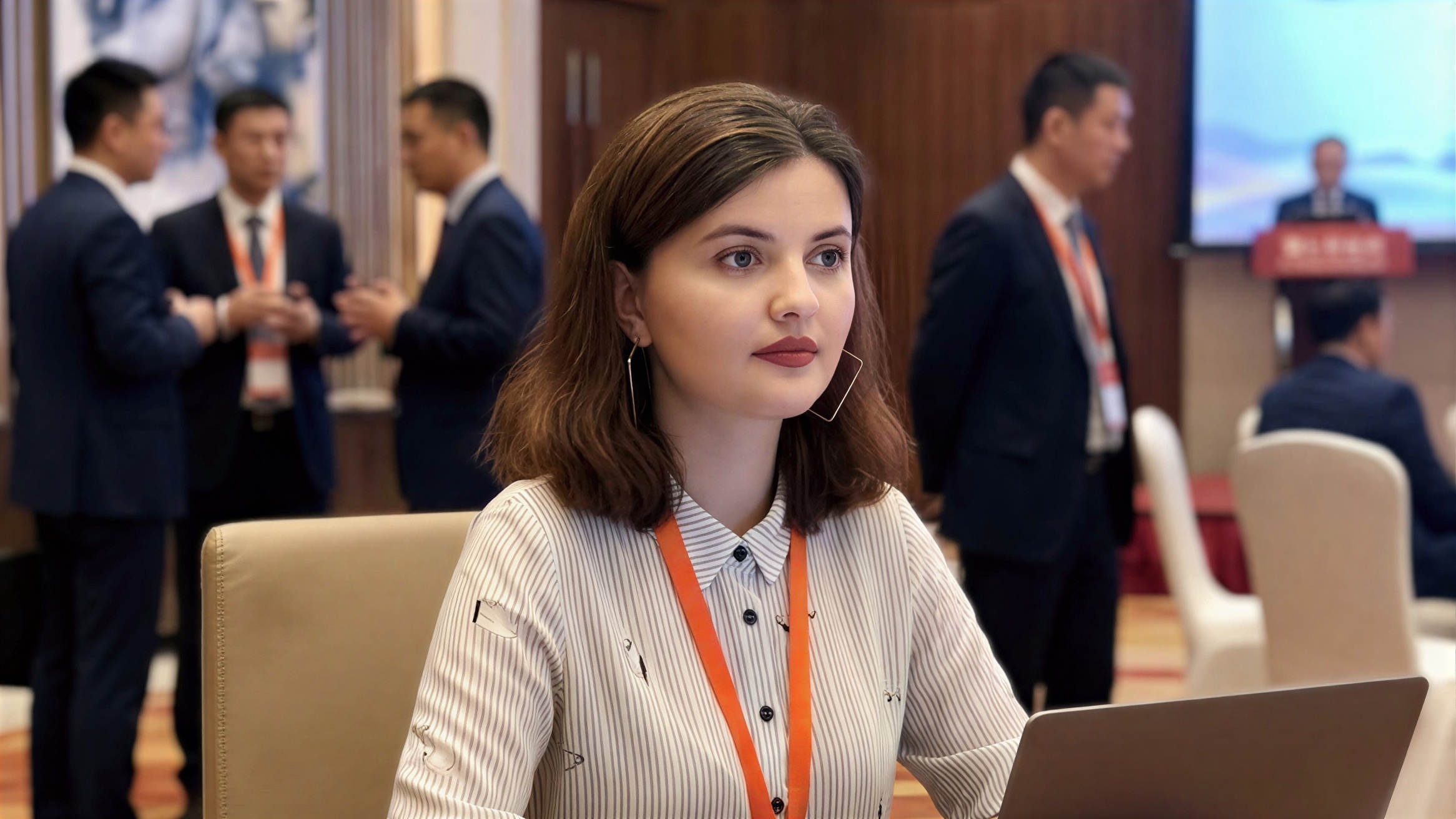
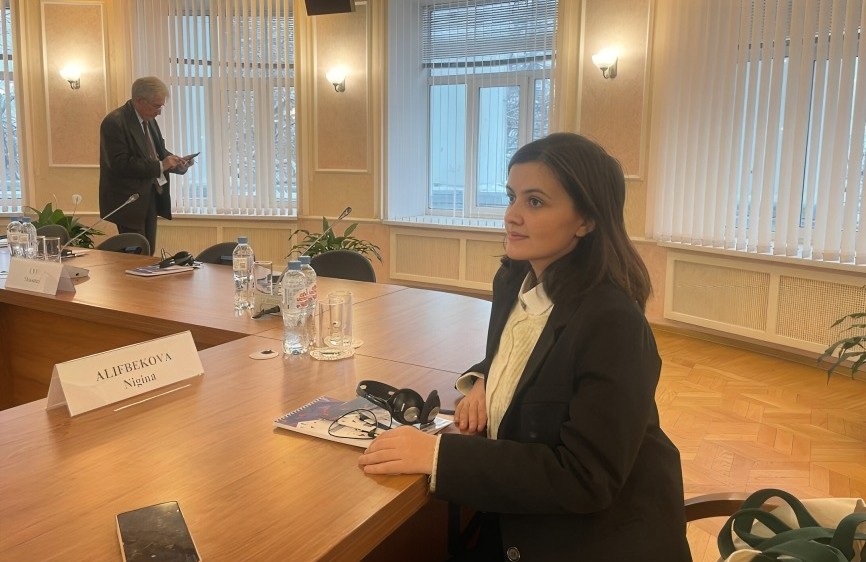
Nigina Alifbekova is a specialist whose professional journey spans Tajikistan, Kyrgyzstan, the USA, China, and even the Arctic. Fluent in four languages, she not only translates words but also constructs meanings in business.
Nigina told Asia-Plus why knowledge of hieroglyphs aids in analytics, how to “read between the lines” in negotiations, and why in the age of artificial intelligence, human context becomes the most valuable resource.
Thinking at different speeds
It is commonly believed that language is merely a tool for communication. However, for Nigina, it is also a change of the brain’s “operating system.” She notes that the logic of decision-making directly depends on the language of communication:
– Russian language: a mode of deep analysis and logical weighing of all “pros” and “cons” is activated.
– English language: thinking becomes faster, focused on the “big picture” and finding quick solutions.
– Chinese language: here, the focus shifts to the context of the situation and maintaining harmony in interpersonal relationships.
– Persian language: intuition awakens, with an emphasis on cultural nuances and emotional connections.
Diplomacy amid global challenges
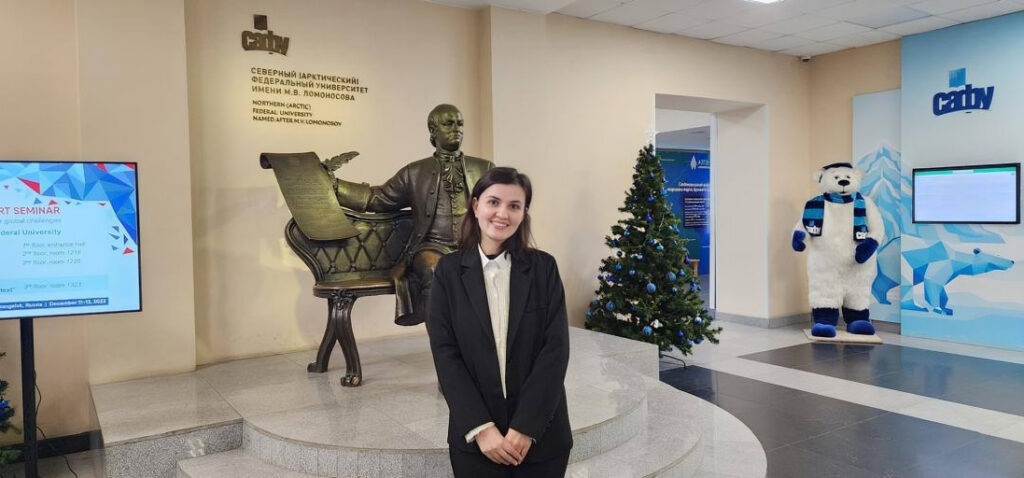
One striking example of how linguistic flexibility aids in solving large-scale tasks was the successful conduct of the Russian-Chinese expert seminar on Arctic Science and Technology Diplomacy.
In the face of modern global challenges, Nigina managed to establish effective communication between scientists and diplomats from the two countries.
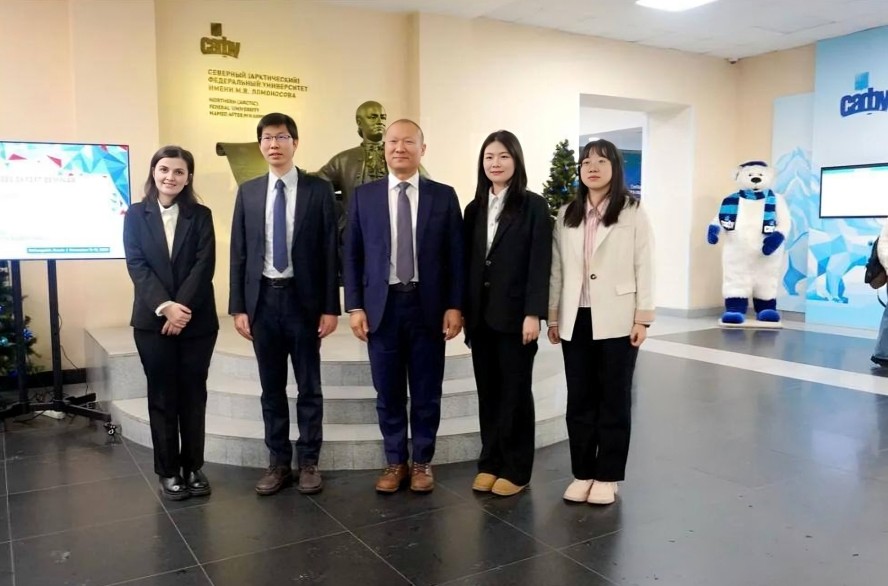
This experience confirms that when it comes to the Arctic or high technologies, what matters is not just translation, but understanding the nuances of scientific diplomacy and the ability to unite the interests of different parties.
From hieroglyphs to business analytics
The connection between linguistics and business seems unobvious at first glance. Nigina claims that studying Chinese hieroglyphics became the best training for her work with data.
“Studying hieroglyphs requires extreme attentiveness: one small element can completely change the meaning of a word,” she shares.
This habit, she says, trains accuracy, the ability to break down information into parts, and to seek non-obvious connections.
Such skills directly aid in business analytics, where the accuracy of conclusions depends on the ability to notice details.
The art of “hearing the unsaid”
In international trade and the IT field, success often depends on the ability to recognize subtext. Nigina highlights “active listening” as her key competence.
Linguistic experience allows her to read information where others see silence:
– pauses and repetitions often signal hidden doubts of a partner
– it is very important to choose words correctly. When a client says “fine,” it does not always mean “suitable.”
– cultural codes also play a significant role. For example, the polite “we’ll think about it” often means refusal.

The client’s voice without distortion
In her practice, Nigina has successfully implemented tools for researching customer experience (UX), which increased satisfaction levels (CSAT) by 10%. The secret of success lies in linguistic precision.
She is convinced: improperly formulated or ambiguous questions lead to false data and incorrect business decisions. To hear the true “voice of the customer,” Nigina uses simple and clear language.
If her entire philosophy had to be encapsulated in one word, Nigina would choose the word “Meaning.” After all, ultimately, whether it is Arctic diplomacy, data analysis, or working with artificial intelligence, what matters most is what lies behind the words: context, idea, and genuine understanding.