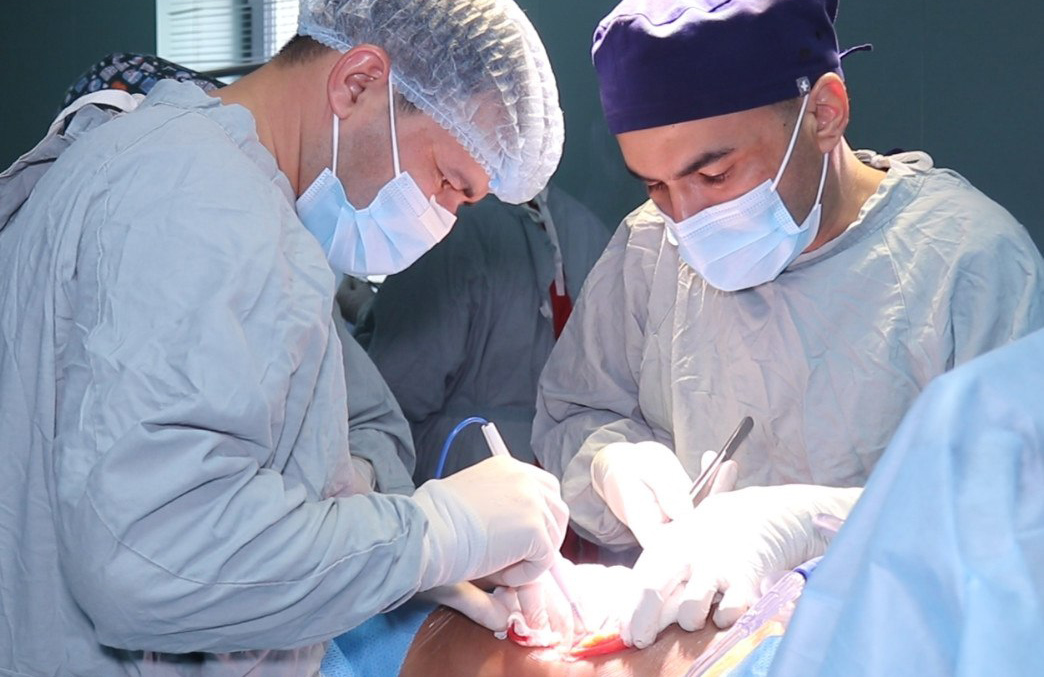
In Tajikistan, hundreds of people wait for organ transplants every year and never get them. And it’s not because the medical field isn’t ready or there aren’t specialists. The main problem is the lack of donors. Today, organs can only be transplanted from relatives. But what should those do who don’t have “suitable” relatives?
The reason to talk about this topic again was the February news about the arrest of suspects in Tashkent for organizing illegal organ trade.
According to the Ministry of Internal Affairs of Uzbekistan, a married couple was detained, who were looking for “clients” through social networks and were allegedly involved in conducting illegal kidney transplant operations. The agency stated that such operations were carried out at the Istiqlol clinic in Dushanbe.
In Tajikistan, this information was refuted. The National Scientific Center for Transplantation stated that all operations are carried out strictly according to the law: with verification of family ties, medical examination, commission decision, and mandatory approval by the Ministry of Health and Social Protection of the Population (MoHSPP)’s ethics committee.
But doesn’t the prohibition on donation from non-relatives lead to people starting to seek solutions outside the official system?
We turned to the country’s Ministry of Health for answers.
The medicine is ready, but the system is limited
This spring, one of the most complex operations was performed in Dushanbe – a patient received a simultaneous kidney and pancreas transplant. The donor was his wife. And such cases are no longer rare for Tajik transplantation.
In recent years, this field has significantly developed in the country: specialized centers are operating, complex operations are carried out, and the number of transplants is increasing.
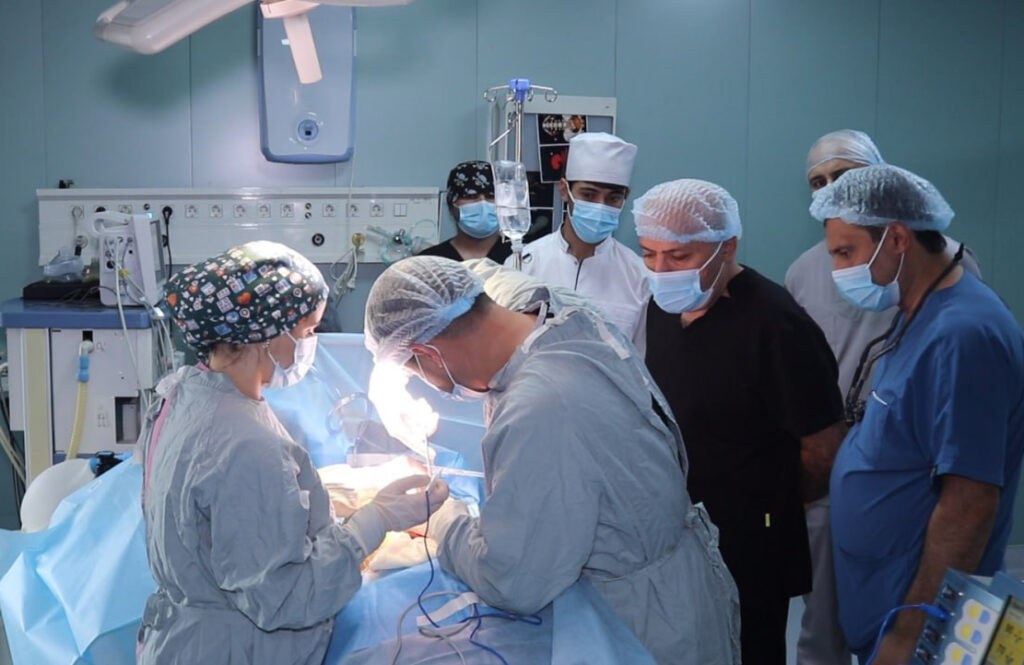
However, access to transplantation remains limited – organs are transplanted only from close relatives. According to the current legislation, in particular the Health Code of Tajikistan, the removal and transplantation of organs from living donors are allowed only if there is a genetic link between the donor and the recipient.
“This restriction is introduced to prevent possible abuses, commercialization of donation, and the emergence of a ‘black market’ for organs, as well as to maximally protect the rights and health of both the donor and the recipient. Related donation minimizes the risks of coercion, financial motives, and ethical violations,” commented the MoHSPP leadership.
Just waiting remains…
In practice, this means that the possibility of getting a transplant is determined not only by diagnosis and indications but also by whether a person has a relative who is willing and suitable for donation.
The Health Ministry acknowledges that a significant portion of patients faces this problem:
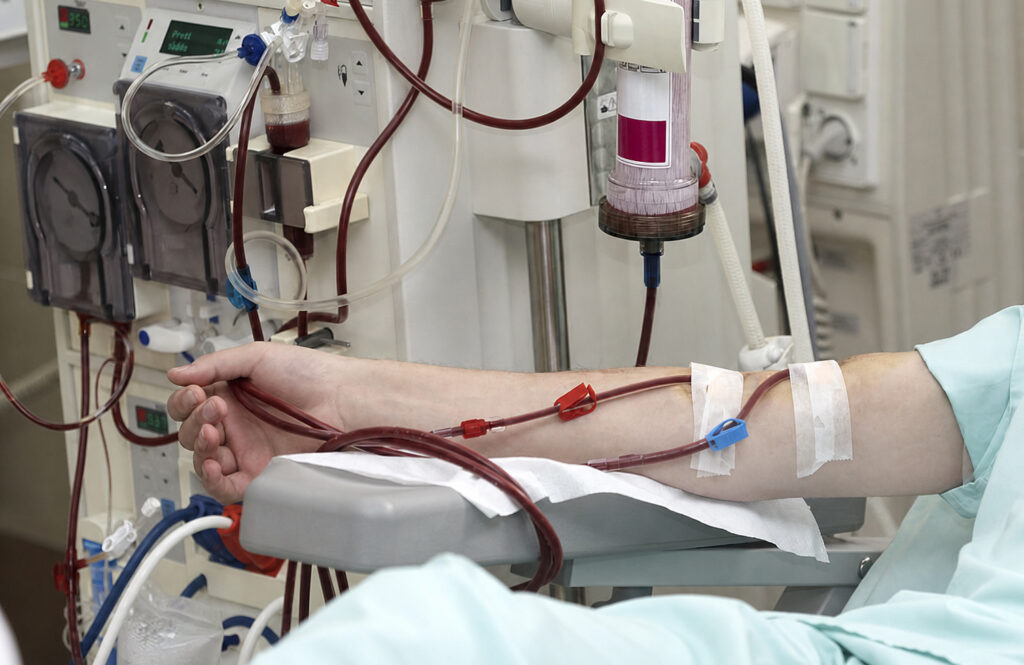
For these people, transplantation remains inaccessible, even if technically the operation is possible. In such cases, medicine can only offer supportive treatment.
“Patients who do not have a suitable donor are provided with all possible supportive therapy – dialysis, medication treatment, symptomatic assistance aimed at maintaining life and improving its quality until a solution is found,” commented the Health Ministry.
And, essentially, this means one thing: a person just has to wait, and there’s no guarantee they will wait long enough…
Posthumous donation is allowed but non-existent
As for posthumous donation, the law allows the transplantation of organs from deceased individuals – with confirmation of brain death and consent of relatives.
Moreover, doctors have repeatedly emphasized that this mechanism can radically increase the number of operations and save many lives. However, in practice, this system does not work.
Relatives often refuse to give consent for organ removal, and traditions and religion often lead to cautious or negative attitudes towards this issue.
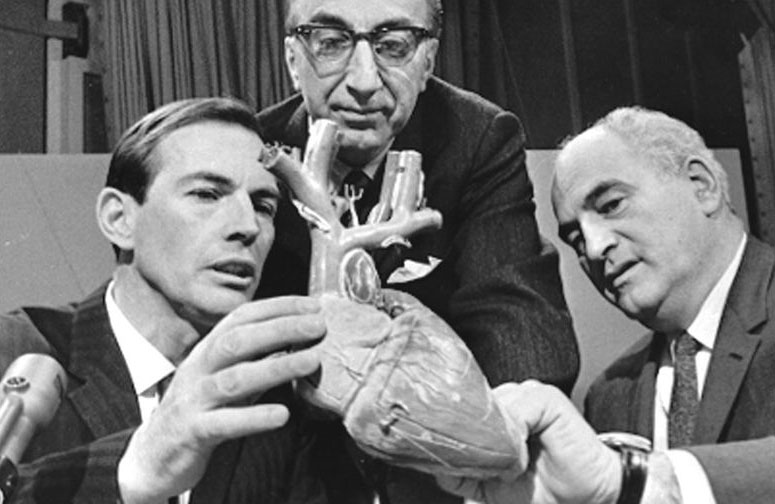
Meanwhile, the ministry emphasizes that the lack of donor organs remains the main barrier, and the absence of posthumous donation practice significantly limits the ability to help patients who do not have suitable relatives.
“We believe that changing the approach to posthumous donation is possible and advisable if accurate and wide information about its safety, ethics, and enormous benefit for saving lives can be effectively communicated to the population. With active educational work, the implementation of cadaveric transplantation can be realized in the near future,” commented the agency’s leadership.
Meanwhile, in other countries, including Islamic ones, transplants from deceased individuals have long been performed with the participation of special commissions. Last year in Kyrgyzstan, imams officially allowed the Ministry of Health to conduct such operations.
In Tajikistan, spiritual leaders also agree that Islam allows organ transplantation from deceased individuals, as the main value is human life and helping others.
Experts believe that the main obstacles are fears related to the violation of the body after death, as well as concerns that posthumous donation could lead to abuse and the emergence of a black market for organs.
The main argument against non-related donation
The Health Ministry explains the refusal of non-related donation primarily by the risks of abuse and illegal organ trade.
“The issue of introducing non-related living donation has not been considered as a priority direction since the current legislation and ethical norms are aimed at minimizing the risks of abuse. The main focus is on the development of related donation and preparation for the possible implementation of posthumous donation with public support,” the MoHSPP official said.
He emphasizes that a strict control system is already in place in the country: all operations go through medical commissions, document verification, psychological evaluation of the donor, and mandatory voluntary consent.
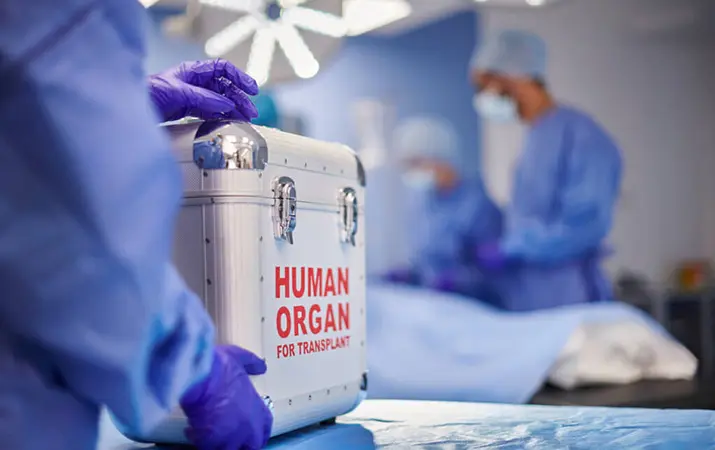
This model, according to specialists, should exclude any illegal schemes.
But here is the question. If control mechanisms are already in place, why not extend them to a broader donation model? After all, this would increase the number of transplants and give a chance to those who remain without surgery today.
P.S. Meanwhile, in Kazakhstan, the topic of posthumous donation is gradually ceasing to be taboo. In 2025, almost 13,000 people officially consented to organ donation – a third more than the previous year.
This can be done through the state portal eGov or by submitting an application at their clinic. The number of those who are ready to make such a decision for their relatives is also growing, despite the moral complexity of the choice.
Doctors note that not only the statistics are changing, but also the attitude of society. More and more people are beginning to perceive posthumous donation as sometimes the only opportunity to save someone’s life.