


Together, we created not just advertisements, but events that people remembered and that became part of Dushanbe’s life. Here’s how a partnership between media and a brand turned into one of the examples of successful and long-term partnerships in Tajikistan.
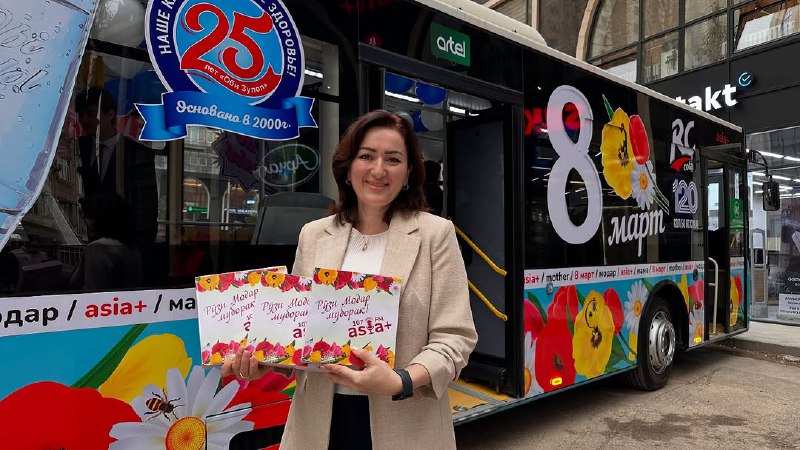
When in the spring a decorated bus with cheerful songs, flowers, and laughter drives through the streets of Dushanbe, many city residents already know: the Modaroni Dushanbe campaign by Asia-Plus and Obi Zulol (Tajikistan’s largest beverage and bottled water producer) is happening again in the capital.
This campaign by Asia-Plus and Obi Zulol has been held for several years, and it has already become a small spring tradition for Dushanbe. But the festive bus is just one part of a bigger story.
Over the years of cooperation, we have undertaken various projects together: celebrating Navruz, holding summer festivals, distributing water and dates during Ramadan, and launching social media segments.
Thus, from individual actions, a whole story gradually unfolds. A story about how a brand can be with people not only on a store shelf or in a commercial but in memorable moments: at holidays, family outings, city events, or the gym.
And such cooperation between media and a brand is an example of how communication can be built not through one-off publications, but through trust, constant presence, and live contact with the audience.
Not just advertising, but participation in the life of the city
Probably one of the most recognizable joint projects is the Madaroni Dushanbe campaign, which Asia-Plus and Obi Zulol hold every year on March 8 – Mother’s Day.
On this day, a bright festive bus decorated with flowers and balloons travels around Dushanbe. Inside is a team of journalists, radio hosts, singers, and volunteers with gifts, drinks, flowers, and congratulations for the women of the capital.
This year, popular Tajik performers Afzalsho Safarzoda and Muboriz Usmonov performed in the bus. Their songs played directly in the bus – without a stage or spotlights, but with live emotions.
Some women couldn’t resist and started dancing, turning the bus cabin into a small concert hall.
This year, we especially remembered a 61-year-old participant of the campaign. Upon receiving a gift, she couldn’t hold back her tears and admitted she hadn’t heard such warm words directed at her for a long time. Smiling happily, she wished all Dushanbe residents never to feel lonely, to love and be loved.
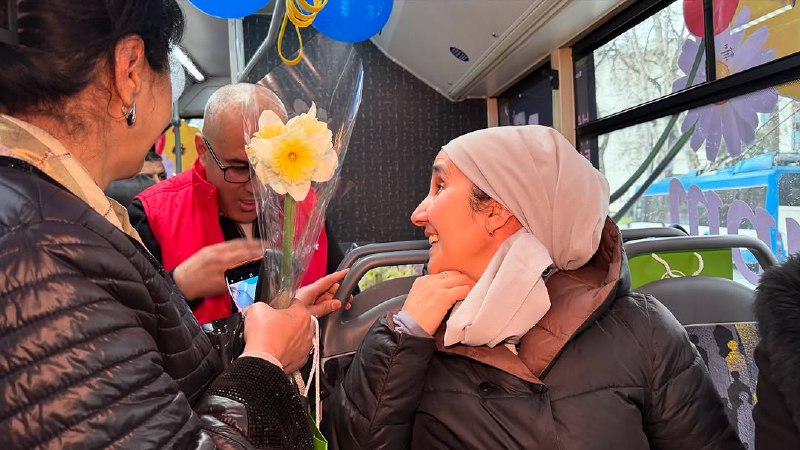
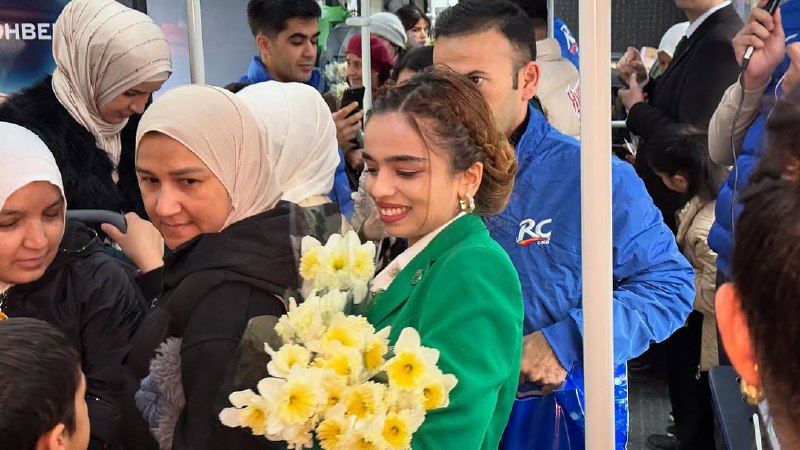
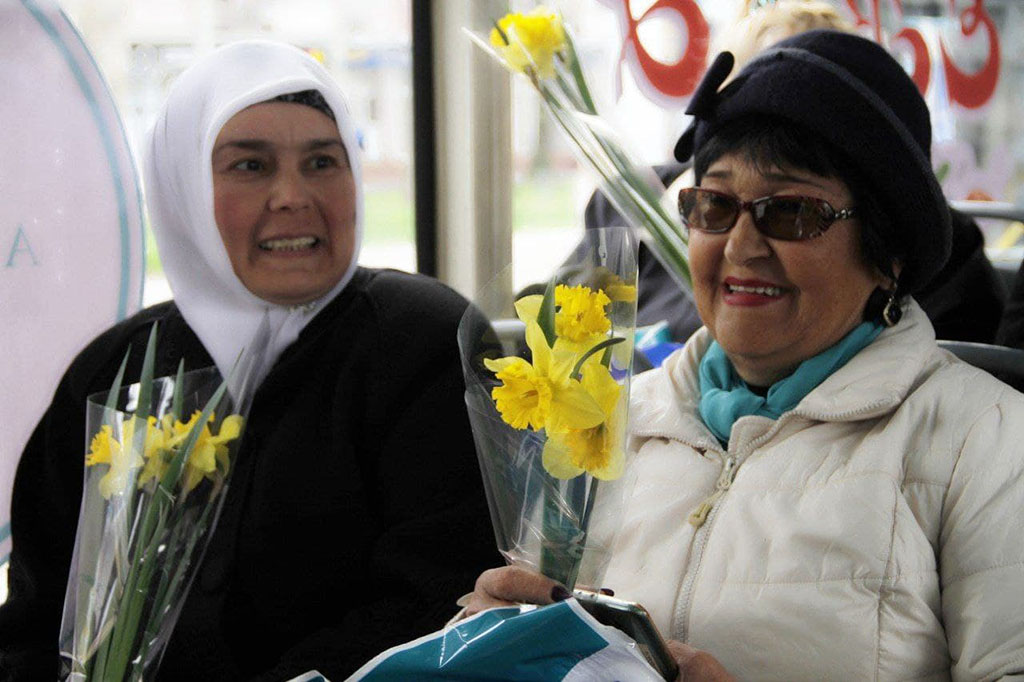
This campaign has long ceased to be just a marketing activity. For many residents of the capital, it has already become part of the city’s spring atmosphere. And “Obi Zulol” is perceived not as an advertiser, but as a participant and creator of the celebration.
It is in such projects that an emotional connection is formed, which cannot be created by an ordinary banner or commercial.
City festivals that gather thousands of people
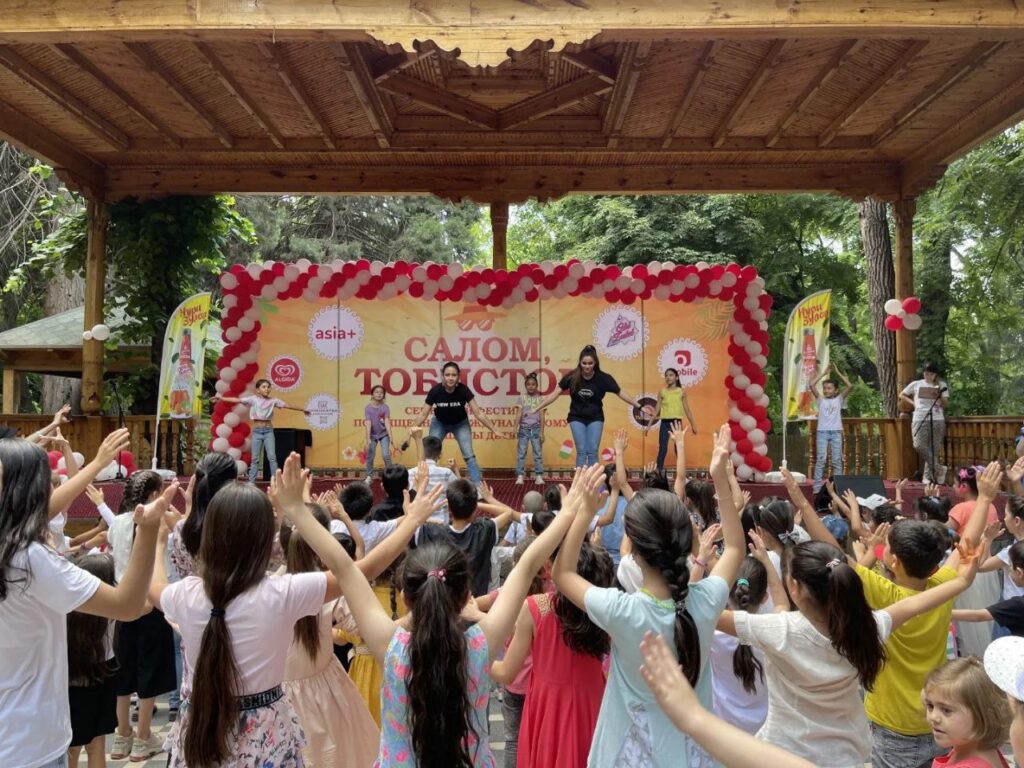
Another important area of cooperation has been the Salom, Tobiston! (Aloha Summer!) festival, which Asia-Plus holds annually together with Obi Zulol.
Over several years, the festival has turned into one of the most anticipated children’s events in Dushanbe. “Salom, tobiston!” includes a concert, sports games, contests, food courts, and photo zones, along with lots of cheerful communication. Children dance with their favorite cartoon characters, draw, participate in workshops, and decorate their faces with bright face art.
The festival last time gathered around 7,000 guests – families with children, youth, bloggers, artists, and just city residents.
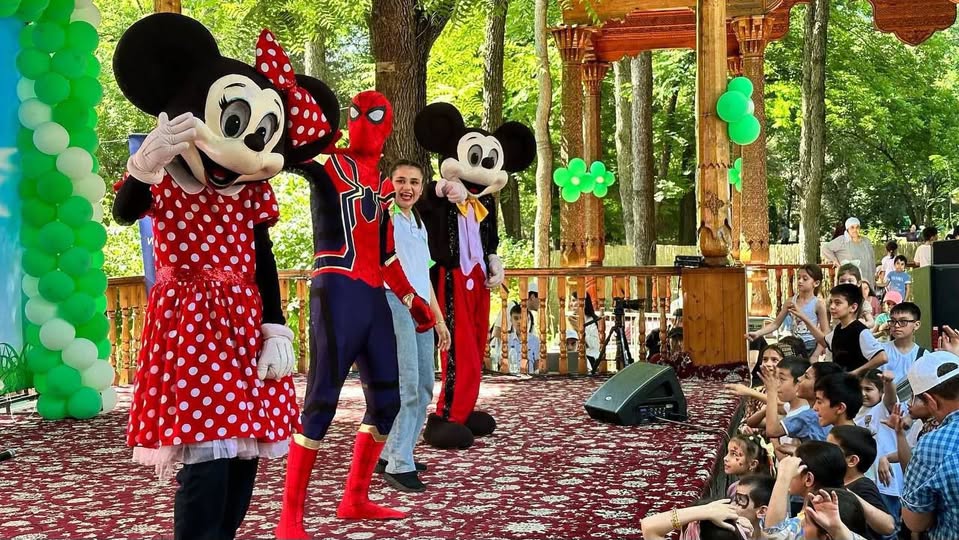
Apart from the direct participants on the site, the festival receives a large online reach: segments like “City Duty”, “There is News”, reels from the concert, and reviews of “Obi Zulol” products on social media collectively garner about a million views.
Navrouz as part of a shared history
For Tajikistan, Navrouz is not just a holiday but an important part of cultural identity and national traditions.
Asia-Plus and Obi Zulol held a vibrant Navruz celebration, decorating the Center of Folk Crafts “Dehai Gulzar.” The event was attended by pop stars, diplomats, employees of international organizations, journalists, and influencers.
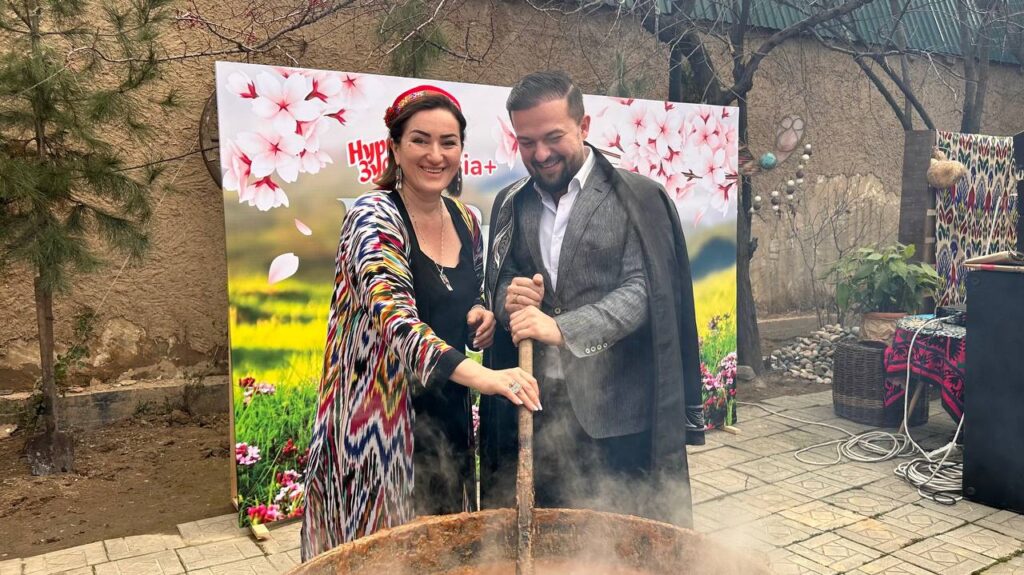
Together we cooked sumanak, listened to karnay-surnay, and in the end, guests danced to live performances by Tajik musicians. The event was especially emotional as we delivered the ready sumanak to those who needed hope and support the most – patients at the Republican Oncological Research Center. People gratefully received jars of the spring delicacy, and we were happy to bring them a bit of good mood…
Asia-Plus manages social networks in both Russian and Tajik languages, striving to speak to diverse audiences – from youth in Dushanbe to residents in regions and compatriots abroad. This content particularly resonated with those who value the support of national traditions.
In the comments under the Navrouz video, our compatriots sent greetings from France, America, Russia, Kazakhstan, and other countries, congratulating each other on Navruz, writing warm words about their homeland.
This is the value of such a partnership: Asia-Plus helps the brand communicate with different audiences – in Russian and Tajik, in the capital and regions, inside the country and beyond. And through such projects, Obi Zulol becomes not just a participant in the celebration, but a brand that carefully supports traditions and remains close to people at their most important moments.
Campaigns that are remembered the most
Sometimes even small initiatives turn out to be the most heartfelt.
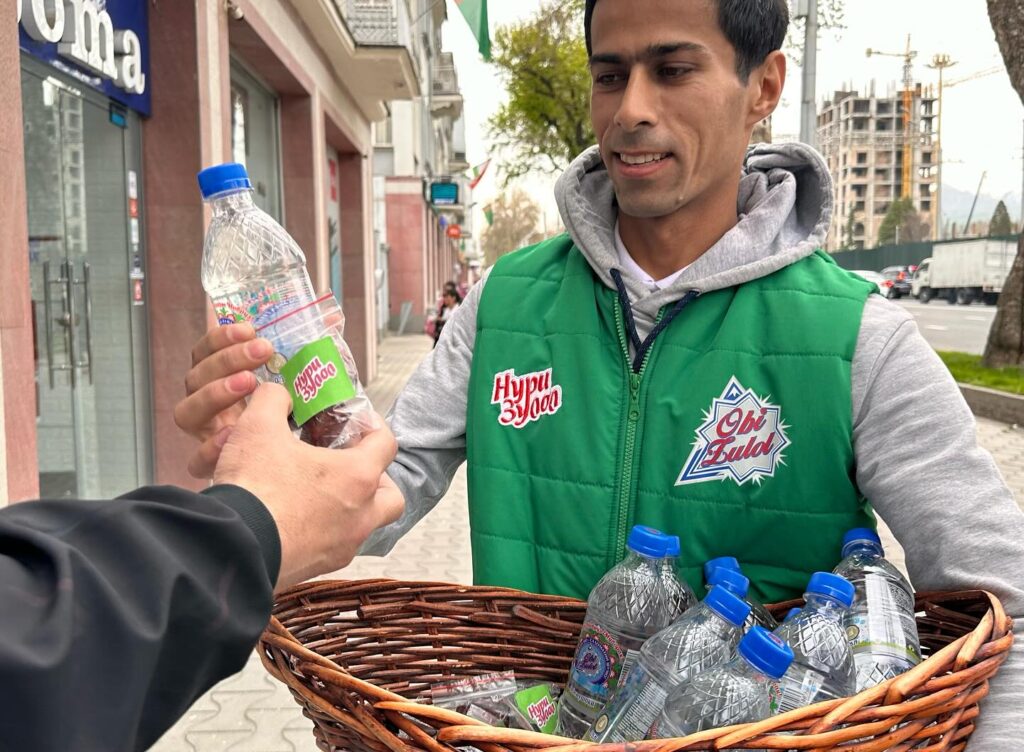
During the holy month of Ramadan, Asia-Plus and the brand “Nuri Zulol” organized a campaign where they distributed water and dates to passersby on the streets of Dushanbe for iftar.
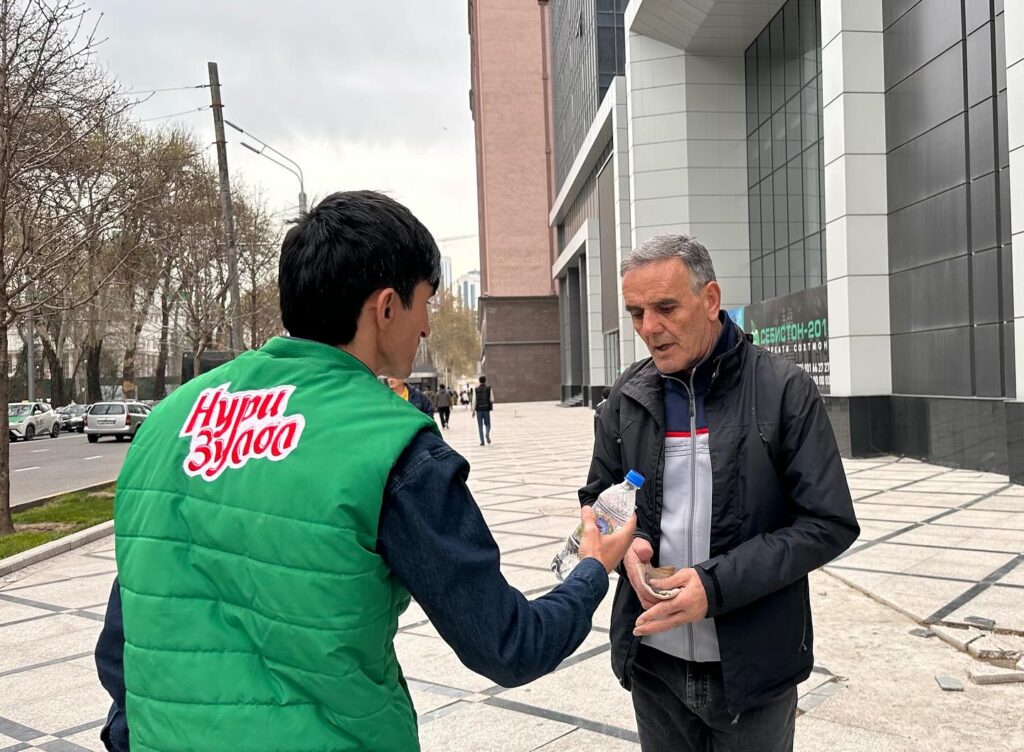
It was a simple but very human gesture. For the brand, such projects work much deeper than ordinary advertising: they help form the reputation of a company that respects traditions, understands its audience, and truly wants to be useful to society.
More than a partnership
Today, the cooperation between Asia-Plus and Obi Zulol is no longer just a relationship between media and advertiser. It’s an example of how joint projects can become part of urban culture and public life.
And perhaps this is the main secret of the success of such a partnership. Because people don’t remember advertising. They remember emotions, attention, the festive atmosphere, and the feeling that someone is making the city warm and alive. And thus, they remember those who stand behind these initiatives.