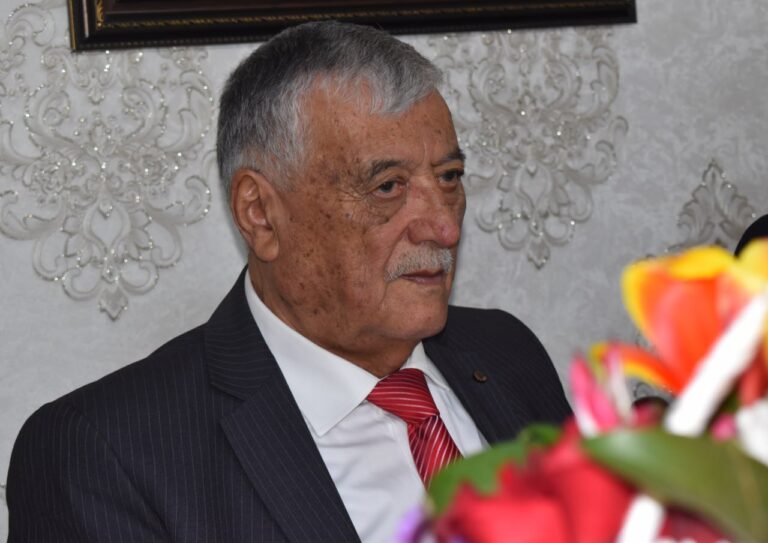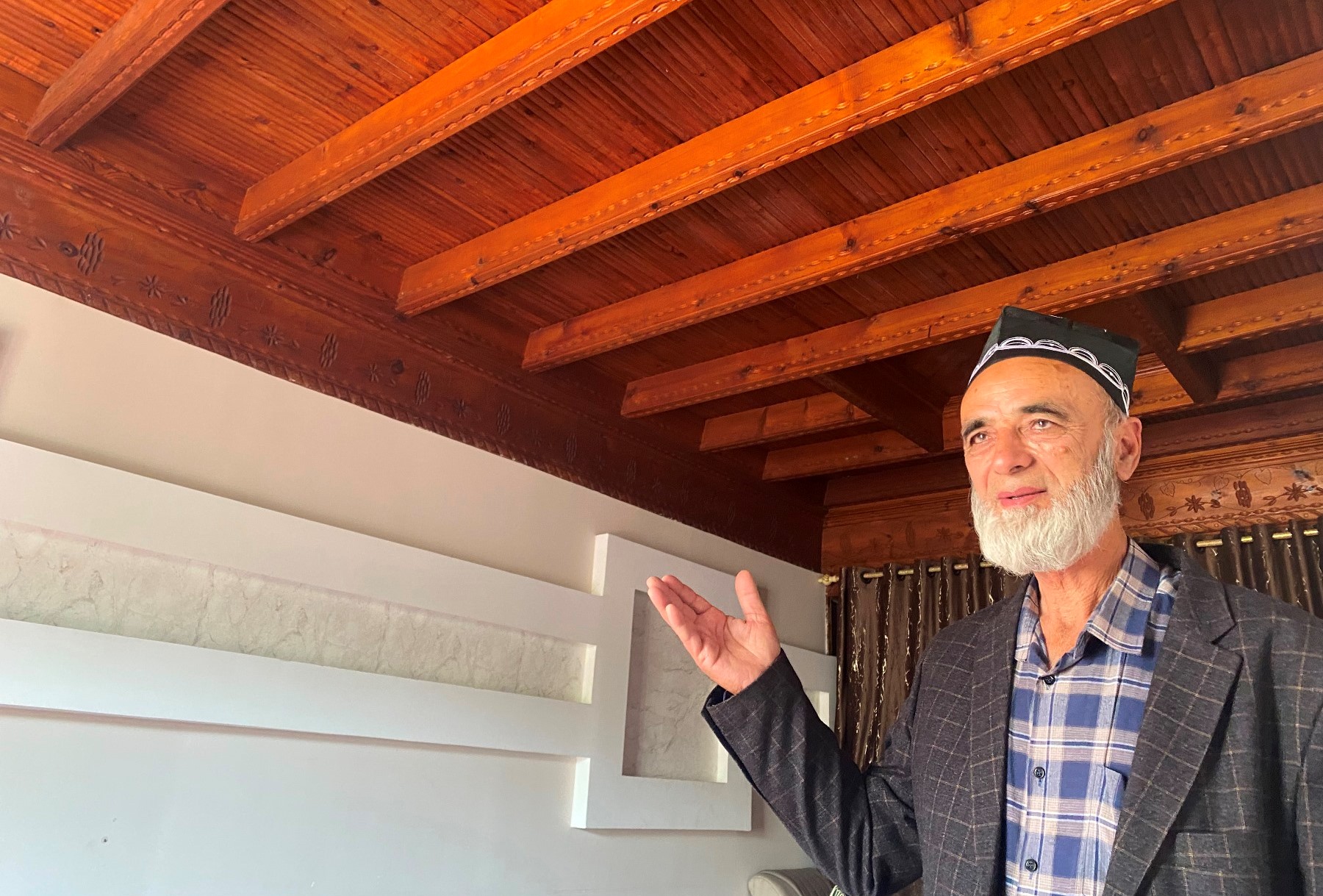
The 69-year-old craftsman from the Mastchoh district in Sughd province, Qozi Qoziyev, became famous after a brief conversation with President Emomali Rahmon: when asked by the president about the number of children he has, he smiled and replied, “We have increased the Aryan race.” But behind this viral phrase is the story of a man who dedicated his life to construction, reviving Tajik traditions, and raising a large family of craftsmen.
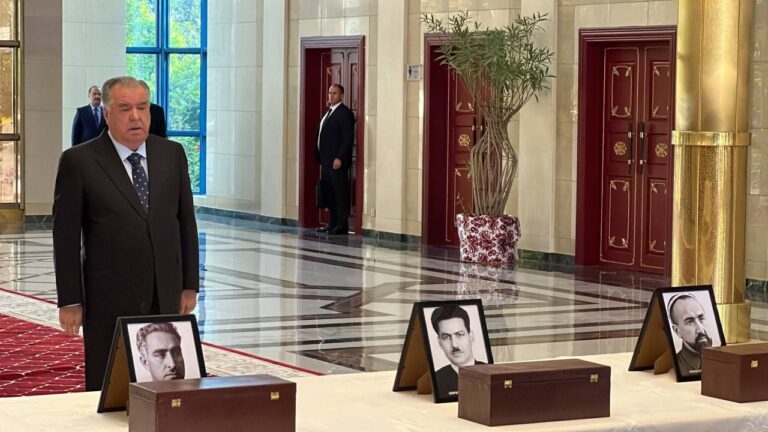
At the end of March, Tajik President Emomali Rahmon visited the Mastchoh district, where he inaugurated several facilities. Among them was the opening of kindergarten No. 5 named after Firdavsi in the eponymous mahallla (village community) of the Obburdon jamoat (rural municipality), known as the “Second Section” of the district. The kindergarten was built by a 69-year-old resident of this mahalla, Qozi Qoziyev.
After the opening, President Emomali Rahmon expressed gratitude to the designers, builders, entrepreneurs, and all citizens who helped in the construction of educational facilities. He also spoke with Qozi Qoziyev.
After the greeting, the president asked:
— How old are you?
— Sixty-nine.
— How many children do you have?
— Eleven.
The president clarified:
— How many children?
— Eleven! – and after a short pause, he added with a smile: – We have increased the Aryan race!
The response of the father of many children caused genuine surprise, the president first smiled and then burst into laughter.
When this video went viral online, we decided to find the cheerful grandfather and visited Qozi Qoziyev’s home.
A Difficult childhood
Qozi was born in the village of Ghuzn in the Obburdon jamoat in the Kuhistoni Mastchoh district in mid-July 1957. The family had eight children. The father worked as a carpenter, and the mother was a housewife.
When Qozi was still young, the family, along with other residents, was relocated to the Dilvarzin steppe. Life in the new place was hard: the unfamiliar climate and tough conditions greatly complicated living.
Qozi recalls that in those years, children had to work a lot.
— We, schoolchildren, were often sent to fieldwork before and after classes. We were very tired, and during lessons, we wanted to sleep, — he says.
After the seventh grade, Qozi decided to enroll in a vocational school in Khujand, but he was denied due to the lack of an eighth-grade certificate. Then he insisted and enrolled in evening school while simultaneously training to become a carpenter-joiner.
A year later, he received a diploma as a carpenter-joiner.
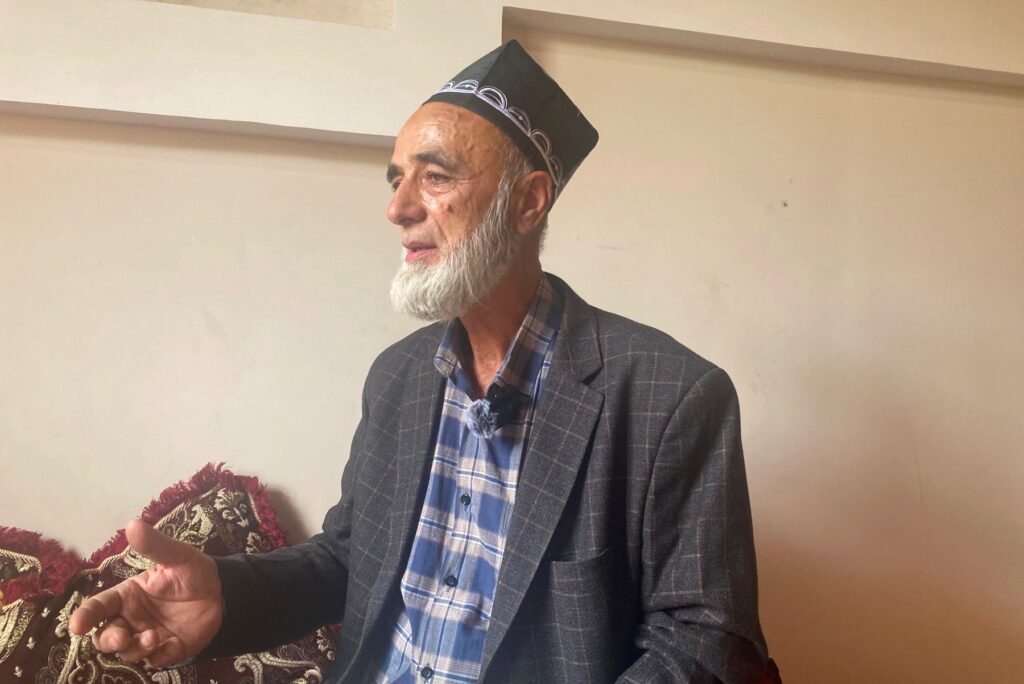
The revival of traditions
After serving in the army, the young specialist was invited to work at Vocational School No. 35 in the Mastchoh district as a master of joinery and carpentry. For seven years, he taught young people the secrets of the craft.
On weekends, Qozi engaged in his favorite activity — building private houses. And later, he decided to dedicate himself entirely to this work – construction and making wooden products: windows, doors, tables, chairs, and topchans.
To delve deeper into the intricacies of carpentry, wood carving, and traditional house building, Qozi became a student of renowned folk craftsmen — Usto Mahmoud from the city of Bukhara (Uzbekistan) and Usto Shodmonboy, a native of the village of Navobod subordinate to the Tajik northern city of Panjakent.
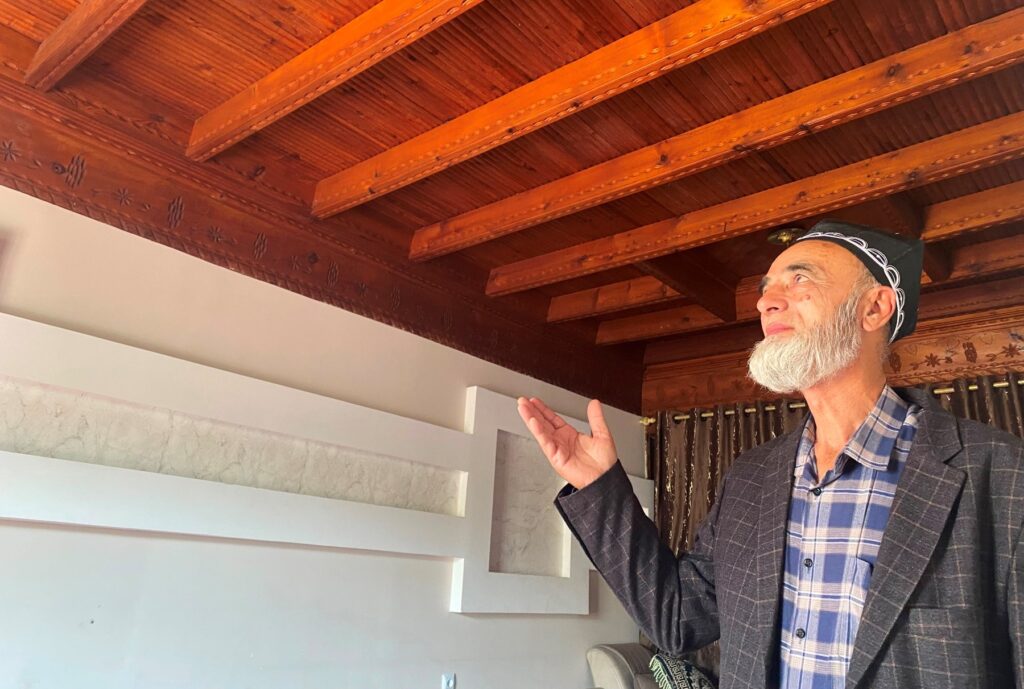
Qozi Qoziyev dreamed of reviving the centuries-old traditions of Tajik national architecture. The craftsman constantly sought new ideas in construction, experimented, created his own projects, acquired modern tools, and improved his skills. For his inventive activities, Qozi Qoziyev was awarded the bronze medal of the USSR Exhibition of Achievements of the National Economy.
A nascent dynasty of craftsmen
In the difficult years of the early 1990s, many Tajikistanis were starving, but not the large Qoziyev family.
– I am grateful to God for giving us the profession of a carpenter-joiner. Our father taught us to work honestly, with quality, and conscientiously. Probably, that is why people respect us and trust us, – says Qoziyev.
According to the craftsman, there were enough orders for house construction for an entire year ahead. Upon completing one project, the family immediately started the next. The main clients were wealthy people who valued quality and the national style of construction.
– According to our estimates, only in the years of independence, our family built 56 modern houses in the traditional Tajik style. I hope they will serve their owners for hundreds of years, — Qoziyev says.
Today, the master’s craft is continued by his children – six sons of Qozi Qoziyev chose the construction profession. Another son, Rizvon, is a paramedic by profession but also engages in construction. The youngest, Saidmuhammad, is 14 years old and already shows great interest in the family craft.
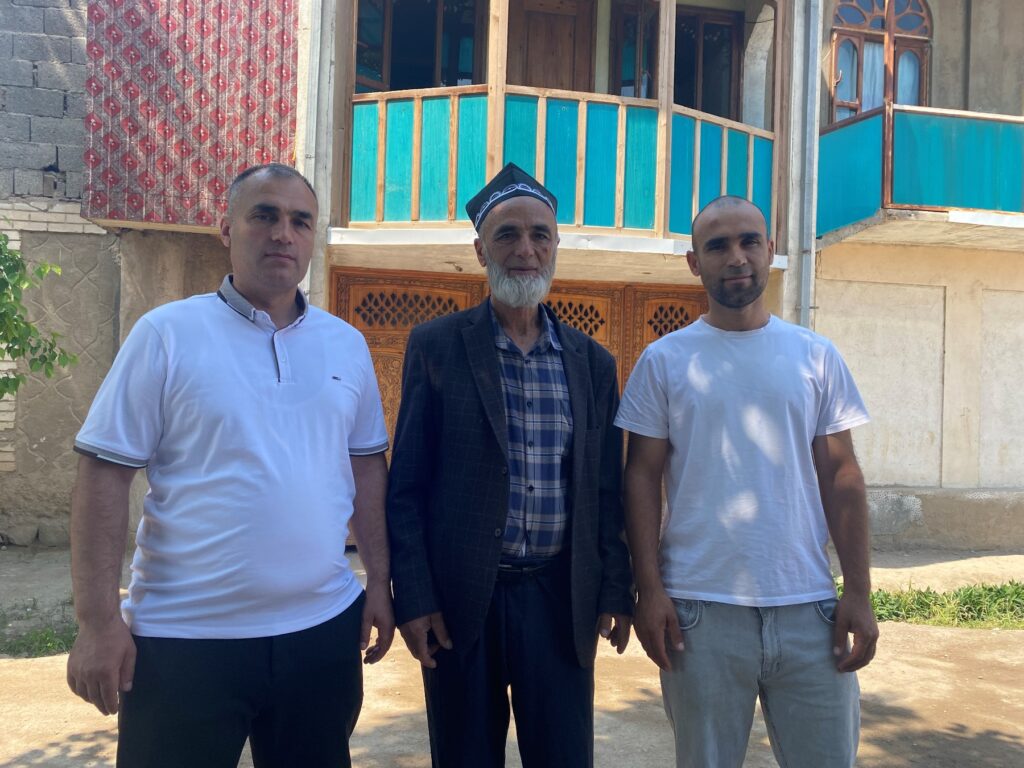
– Besides eight sons, I also have three daughters. Two of them work as nurses, and the youngest member of our family is Asmo, she is 12 years old, — shares Qozi Qoziyev.
The most important thing in life…
Residents of the “Firdavsi” quarter of the Obburdon jamoat, back in the years of perestroika, in 1987, appealed to the Committee for Religious Affairs of the USSR with a request to permit the construction of a cathedral mosque. The center approved the project, designed for 2,500 worshippers, and its author was Qozi Qoziyev.
The construction of the mosque lasted three years. Today, the cathedral mosque named after Imam Bukhaio is considered one of the landmarks of the Mastchoh district.
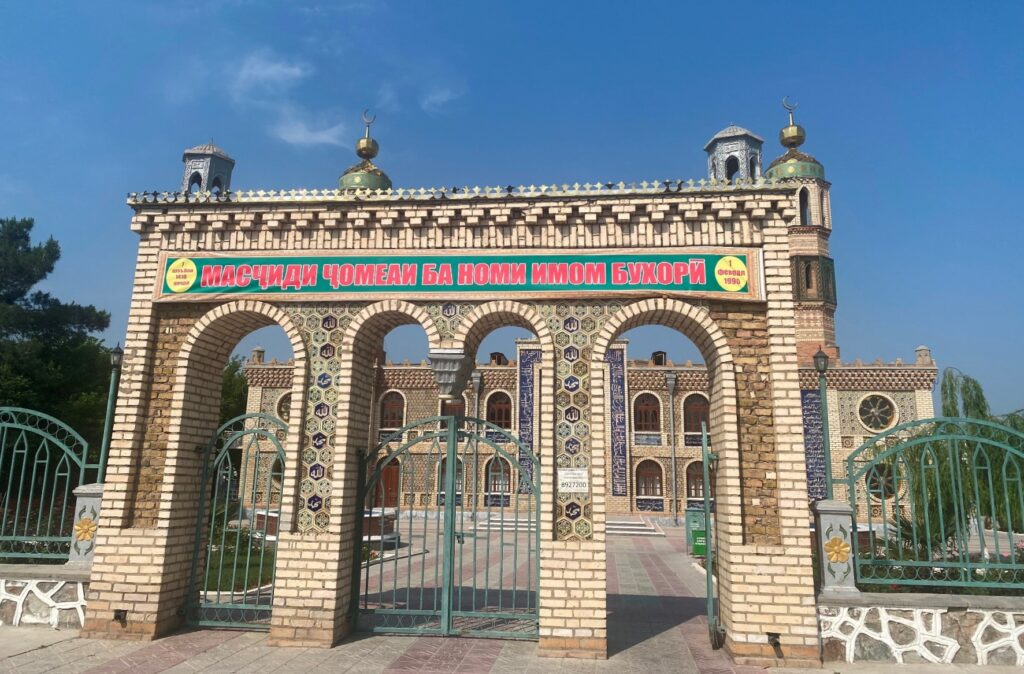
Two years ago, during a meeting with mahalla residents, the head of the district, Azam Alizoda, raised the issue of the need to build a kindergarten. It was decided to construct the building using the hashar method.
The project was developed by Mahmadnosir Qoziyev, and his father was entrusted with overseeing the construction. The work lasted almost two years. As a result, a modern three-story building with all necessary facilities was constructed.
Notably, during the years of building these two socially significant objects, Qozi Qoziyev practically refused personal orders and did not earn a penny from this work.
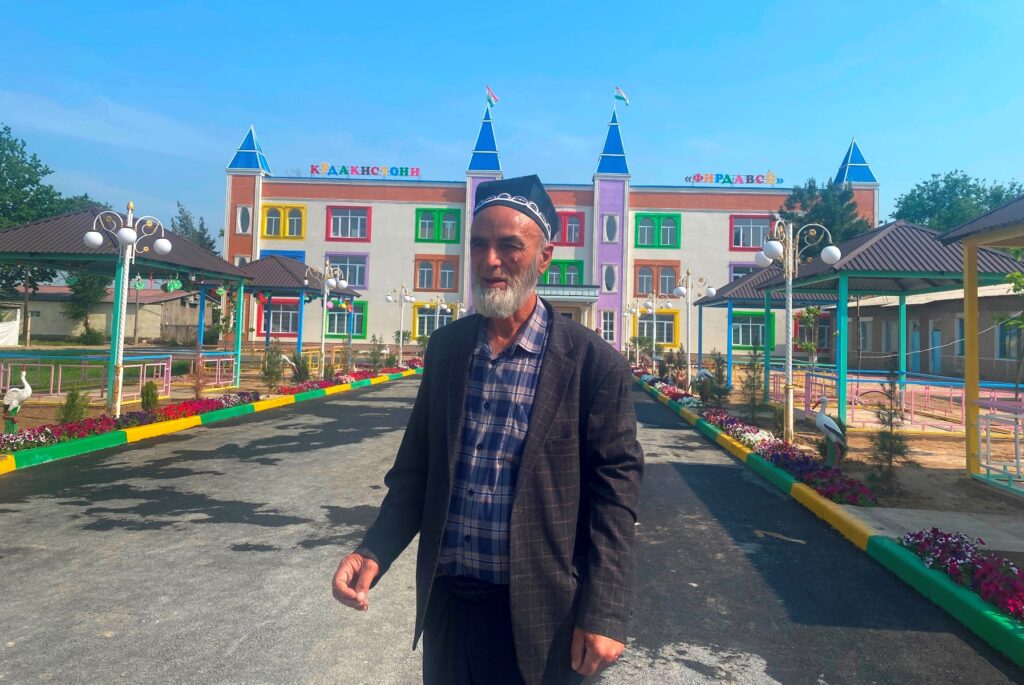
The folk craftsman says:
– I am glad that I could make my humble contribution to a good cause. That is the most important thing.
In 2006, when Qozi Qoziyev was 49 years old, the leadership of the Mastchoh district, considering his merits in the development of folk house building, as well as in connection with the 40th anniversary of the development of the Dilvarzin steppe, nominated him for the title of “People’s Master of Tajikistan.”
However, he never received the title.
The master’s dreams
Qozi Qoziyev speaks with special pride about his historical and cultural roots, considering himself a representative of the ancient Aryan civilization.
– Our nation has made a huge contribution to the development of science, culture, urban planning, and agriculture on a global scale. Many outstanding figures of the Islamic world were Tajiks or came from the Persian-speaking environment, — he says.
Among them, Qozi Qoziyev names Salman al-Farsi, Imam Abu Hanifa, Imam al-Bukhori, Imam at-Tirmizi, Abu Mansour al-Maturidi, Ali Qushji, and also Sayyid Ajjal Shams ad-Din Omar al-Bukhori.
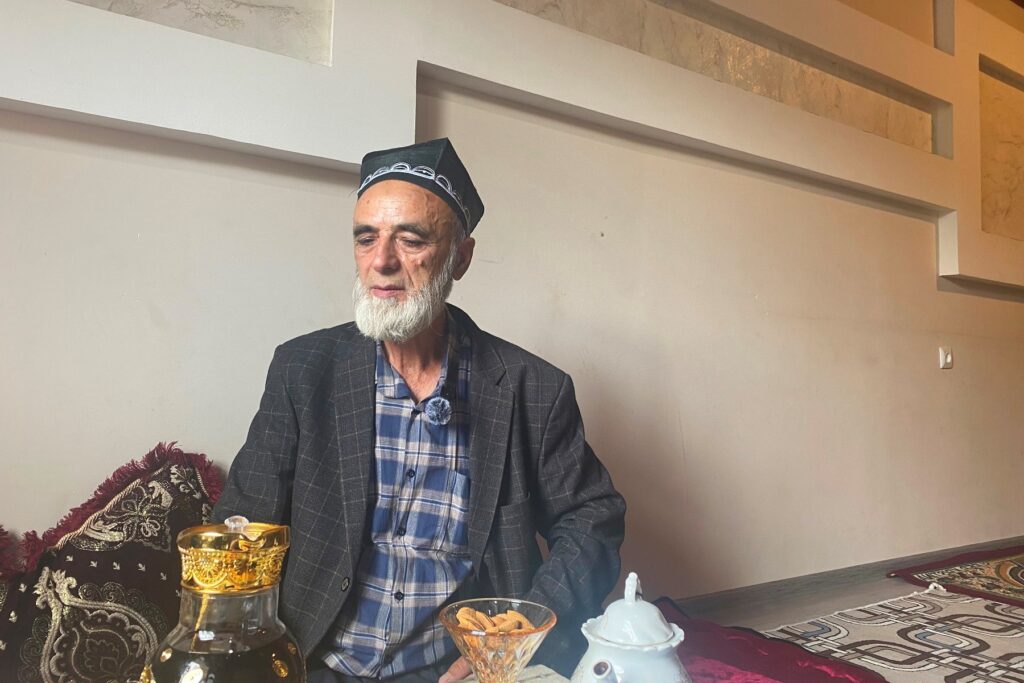
We asked what he dreams about. Qozi Qoziyev thinks for a short time, then calmly and confidently answers:
– Firstly, I dream that kindergartens and modern schools are built in every village and every quarter, and all children of preschool and school age have the opportunity to learn and be brought up in decent conditions.
Secondly, I would like to see the mass outflow of our youth abroad stop. Young people should direct their strength, knowledge, and energy towards the development and prosperity of their own country.
And thirdly, I want to restore the history of my lineage. My ancestors, led by Tura Hasan, were major entrepreneurs and influential people at the end of the 19th — beginning of the 20th century in Central Asia and Russia. They maintained close relationships with representatives of the Romanov dynasty. It is said that the last representatives of our lineage lived in the Chorshanbe mahalla of the city of Khujand. I want to find them and restore my genealogy.