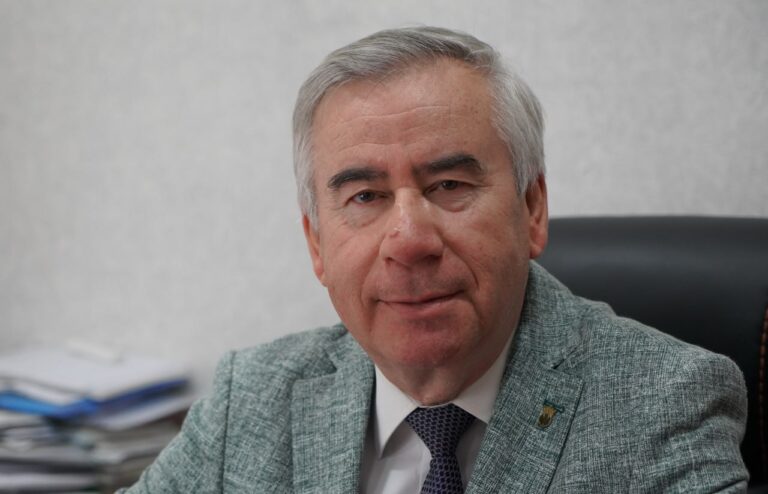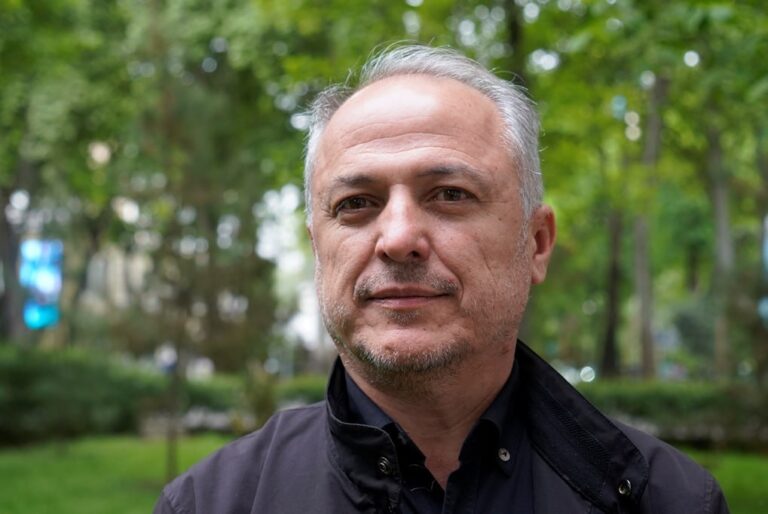




Qironshoh Sharifzoda, a well-known Tajik researcher and former chairman of the Media Council of Tajikistan, says Asia-Plus has evolved into an influential international media platform thanks to its commitment to professional journalism and its consistent support for Tajik statehood.
Reflecting on the history of the media outlet, Sharifzoda noted that Asia-Plus was established during a period when the Russian language was more widely spread in the country’s information space. Despite the challenges associated with publishing in Russian in subsequent years, he said the outlet remained focused on contributing to the development of an independent Tajikistan.
“Over the years, Asia-Plus has experienced both successes and setbacks, faced numerous challenges, and encountered obstacles along its path. Nevertheless, the publication has endured thanks to a shared understanding of its mission and a national vision for the future of Tajik statehood,” Sharifzoda said.
According to the researcher, Tajikistan has repeatedly faced information challenges, particularly during periods of border tensions and disputes over historical and cultural heritage. In such circumstances, he believes Asia-Plus has set an important example for other media outlets in the country.
Sharifzoda noted that in the past, some observers assumed that the publication’s Russian-language format might indicate a pro-Russian orientation. However, he said the outlet’s work over the years has demonstrated otherwise.
“Practice has shown that Asia-Plus has always defended the national interests of Tajikistan, adhered to professional standards, and maintained an objective approach to covering important issues affecting the country,” he said.
The researcher noted that the publication’s activities have helped strengthen Tajikistan’s position in the international information space and have contributed to presenting the country’s perspective to a wider audience.
He added that the few remaining independent publications should take this media outlet as an example in matters of information dissemination and the preservation of state and national interests.
Qironshoh Sharifzoda highly praised Asia-Plus for its transition to a multimedia format, emphasizing that this publication took the first steps in this direction. Moreover, according to him, the creation of a Tajik-language version of the website further strengthened its authority.
Sharifzoda noted that in the context of today’s limited information space, the Tajik edition of the website has become a reliable source of information about Tajikistan not only for the residents of the country but also for neighboring states, including Afghanistan, Iran, and parts of Pakistan.
The researcher also mentioned that one of the distinguishing features of the publication is its modesty and restraint. In the opinion of the former chairman of the Media Council, adherence to international standards and compliance with ethical norms of journalistic activity in Tajikistan make this media outlet exemplary.
Concluding the conversation with kind wishes, Qironshoh Sharifzoda noted that 30 years is not such a long time for a serious publication, and expressed hope that these thirty years for Asia-Plus and independent media in Tajikistan will eventually turn into centennial anniversaries.