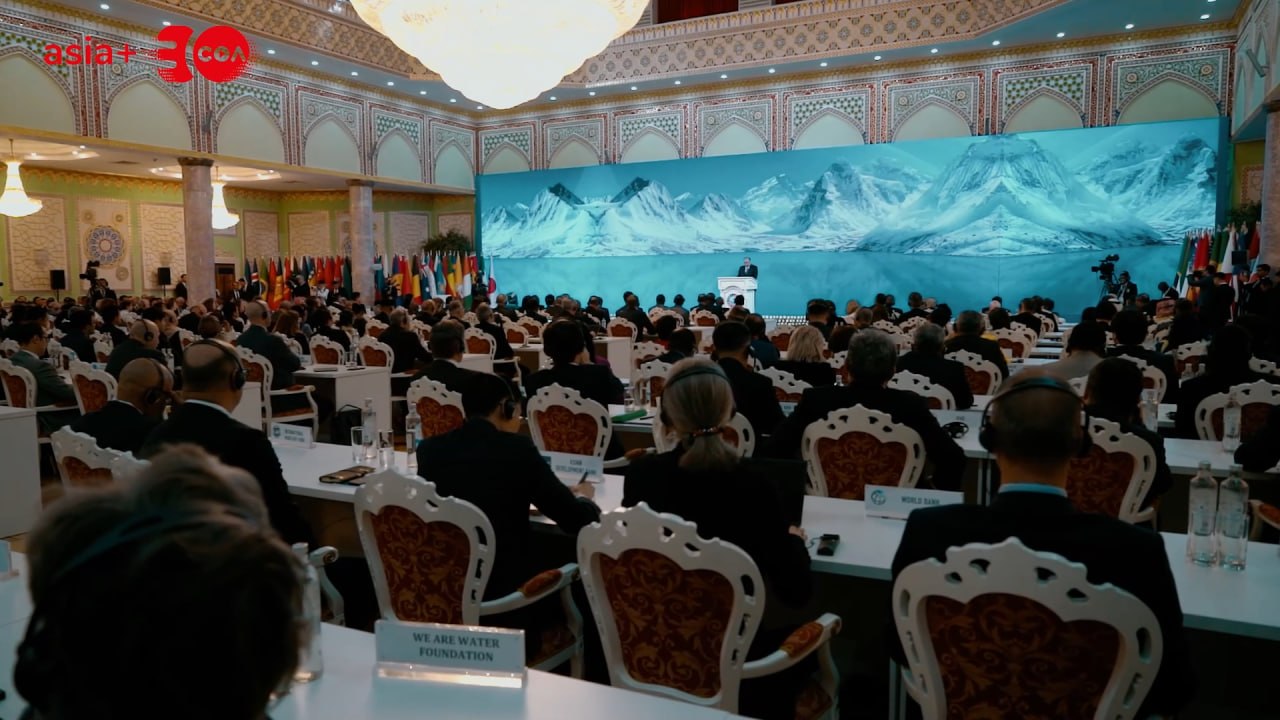
Tajikistan has once again reaffirmed its status as Central Asia’s “water tower” and a key player in the global environmental agenda.
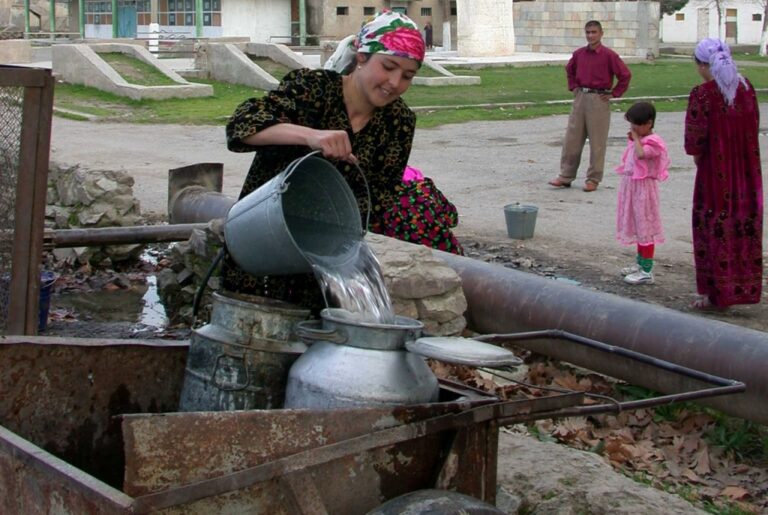
With around 60% of the region’s water resources originating within its borders, the country is on the front line of climate change. For Tajikistan, glacier melting is not a distant threat but a reality with far-reaching consequences. At the same time, ensuring access to safe drinking water remains one of the most pressing challenges for sustainable development.
The recently concluded Fourth High-Level International Conference on the International Decade for Action “Water for Sustainable Development, 2018–2028” turned Dushanbe into a global platform for dialogue and action. More than 150 speakers from around the world gathered to discuss how ambitious commitments can be transformed into practical solutions — from expanding access to clean water to strengthening energy security and climate resilience.
Among the conference’s key outcomes were proposals to establish a “Dushanbe Framework Program” and launch a new international award in the field of water resources.
Participants also visited the Roghun hydropower plant (HPP), one of the region’s largest infrastructure projects and a symbol of Tajikistan’s water and energy ambitions.
How does Tajikistan plan to increase access to centralized water supply to 90% of the population? What innovative technologies are already being tested and prepared for implementation? And what role can international cooperation play in addressing the growing global water crisis?
Watch our special report from the conference to find out.