DUSHANBE, December 6, 2011, Asia-Plus — Central Asian governments are getting more involved in global humanitarian affairs, as signaled by Kazakhstan’s recent initiative to establish the Relief Fund for Somalia as well as Central Asia’s strong response to natural disasters in Japan and Turkey in 2011, United Nations Office for Coordination of Humanitarian Affairs in Central Asia (UNOCHA) reports.
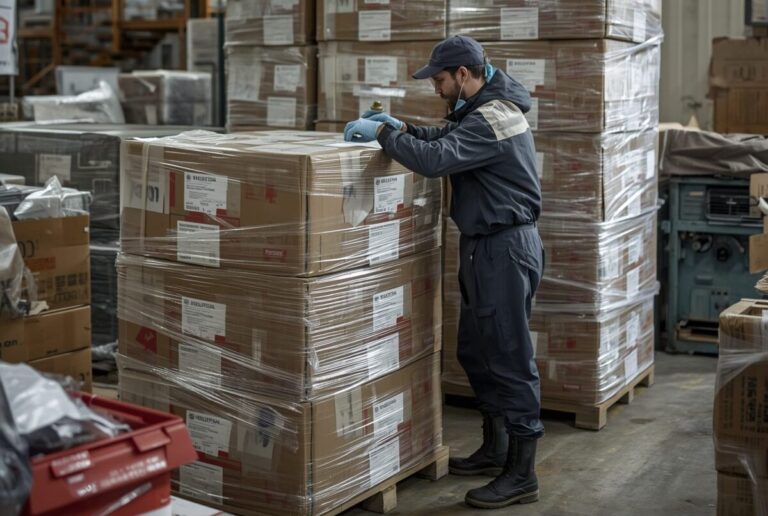
In 2011, the region has given at least $10 million in humanitarian aid to affected countries far beyond the region – Japan, Somalia, Turkey and Ukraine. Most of the aid was provided bi-laterally (directly to affected governments) and in the form of relief supplies, ranging from food and water to tents and medical items.
However, Kazakhstan’s support to humanitarian efforts in Somalia marks a change in this trend, as the government made a cash contribution of $500,000 to a pooled fund mechanism under the auspices of the Organization for Islamic Cooperation (OIC). Kazakhstan set off the establishment of the Relief Fund for Somalia at the emergency meeting of the OIC on 17 August 2011 in Istanbul, Turkey. OIC members pledged to raise $350 million in aid to famine-stricken Somalia.
This year, the Government of Kazakhstan on several occasions announced its plans to establish a state agency for international development, KazAID. Although this initiative is in its early development stages, the agency is likely to include humanitarian aid to its portfolio, as has been the case with similar institutions around the world. Once launched, KazAID will put Kazakhstan on the humanitarian donor map, along with other non-Western emerging donors who are already playing an increasingly important role in the humanitarian landscape.
While the relatively calm year of 2011 allowed for Central Asia to support its global counterparts in need, a number of donors still keep their eye on the disaster-prone region. In July – October 2011 world’s top donors Sweden and Germany funded several projects aimed to strengthen disaster resilience of the most vulnerable communities in Tajikistan. Meanwhile, Japan has funded various humanitarian initiatives in all but one Central Asian countries, working with such international agencies as International Federation of Red Cross and Red Crescent Societies, United Nations High Commissioner for Refugees and World Food Program.
Overall, Central Asian governments have provided close to $60 million in humanitarian aid since 2006, reaching at least 20 countries outside of the Central Asian region.