DUSHANBE, July 3, 2008, Asia-Plus — Mr. Miroslav Jenca, Special Representative of the UN Secretary General and Head of the United Nations Regional Center for Preventive Diplomacy for Central Asia (UNRCCA), will give a press conference in the UNDP CO in Dushanbe today at 4:30 p.m.
Mr. Safarbek Soliyev, the UNDP CO external relations adviser, said that the press conference will be dedicated to the issues of addressing modern challenges and threats such as terrorism, extremism and illicit drug trafficking.
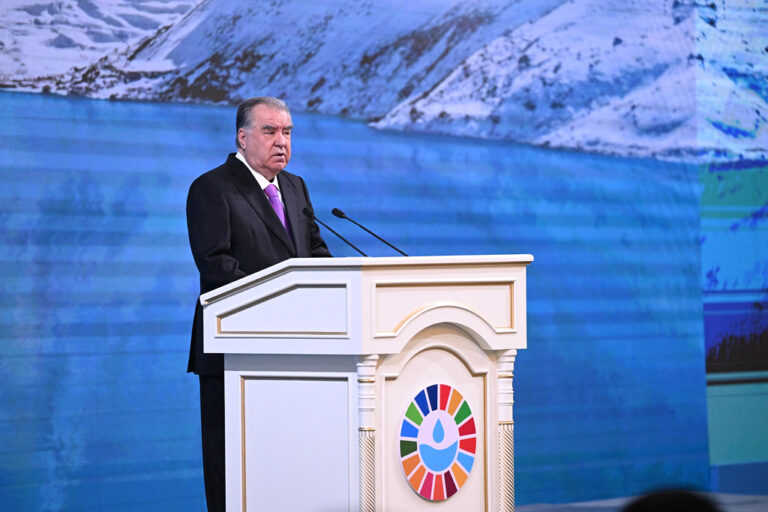
Before the press conference, Mr. Jenca is holding talks with Chairman of the Majlisi Milli (Tajikistan’s upper chamber of parliament) Mahmadsaid Ubaidulloyev, President Emomali Rahmon and some other Tajik officials.
United Nations Secretary-General Ban Ki-moon appointed Miroslav Jenca of Slovakia as his Special Representative and Head of the United Nations Regional Centre for Preventive Diplomacy for Central Asia (UNRCCA) in Ashgabat, Turkmenistan in May 2008.
Mr. Jenca had formerly been Director of the Office of the Minister for Foreign Affairs of Slovakia. He had served as Ambassador and Head of Mission to the Organization for Security and Cooperation in Europe (OSCE) Centre in Tashkent, Uzbekistan. He served as Ambassador and Representative of Slovakia to the Political and Security Committee of the European Union and as Ambassador of Slovakia to Mexico, Venezuela and Columbia. He had held a number of positions in the Ministry of Foreign Affairs of Slovakia, including Head of the Division for Development Assistance and Cross-Border Cooperation and Deputy Political Director and Director of the Department for European Union and North Atlantic Treaty Organization (NATO) countries.
We will recall that the United Nations Regional Center for Preventive Diplomacy for Central Asia was inaugurated last December to help the region’s countries respond more proactively to cross-border challenges and threats before they can become costlier and more difficult to control.
The Center is tasked with assisting the governments of Turkmenistan, Kazakhstan, Kyrgyzstan, Tajikistan, Turkmenistan and Uzbekistan in building capacities to peacefully prevent conflict, in facilitating dialogue, and in catalyzing international support behind projects and initiatives.