DUSHANBE, August 7, 2008, Asia-Plus — The macroeconomic situation in Tajikistan is improving after the past difficult winter; however, there are issues and problems that should be solved.
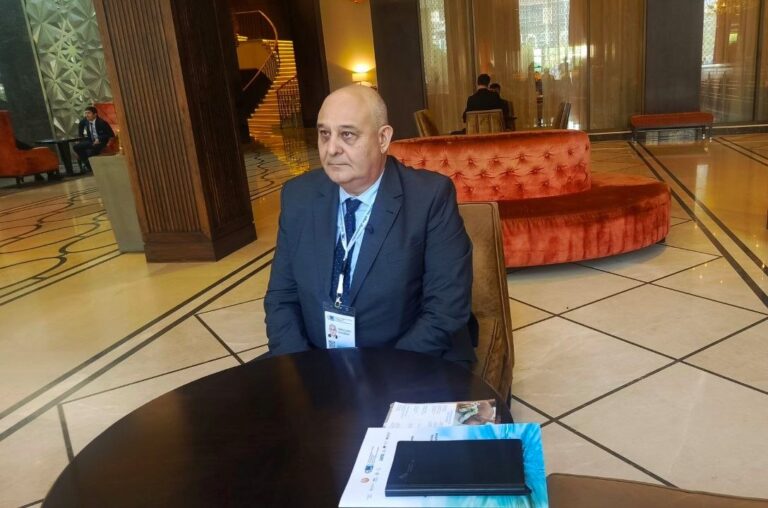
Mr. David Owen, Senior Advisor in the Middle East and Central Asia Department of the International Monetary Fund”s (IMF), remarked this, while telling a press conference in Dushanbe on August 6.
He said that the food and power resources situation remains complex because of high world food and power prices. As a result of this, the inflation rate remains high in the country.
According to him, measures in the macroeconomic policy should be aimed at decreasing inflation in the second half of the year. He noted that measures taken by the government in the first half-year had been taken “quite rigorously and in a positive vein”.
“If this policy continues, we are sure Tajikistan will succeed in decreasing the inflation rate in the second half of the year,” Mr. Owen said, adding that inflation is the main problem in conducting macroeconomic policy.
According to him, IMF’s recommendations to the official bodies consist in supporting those measures of macroeconomic policy that were concerted during adoption of the monitoring program. Among these measures are rigorous monetary policy and decreasing growth in monetary aggregates.
“If the official bodies are able to implement all measures provided for by the program, we will consider that they did all in their power because there are also additional factors, which do not depend on authorities, such as food and power prices,” said the IMF official. “The main task is to stick to that macroeconomic program, which was concerted and adopted. If there are no any unfavorable events regarding prices of raw materials, Tajikistan will succeed in decreasing the inflation rate to 15 percent in the second half of the year.”