DUSHANBE, March 27, 2009, Asia-Plus — 600 students at Secondary School No.7 in Arab Jamoat, Panj District will study at the new school building to be constructed under the Japanese Grant Assistance.
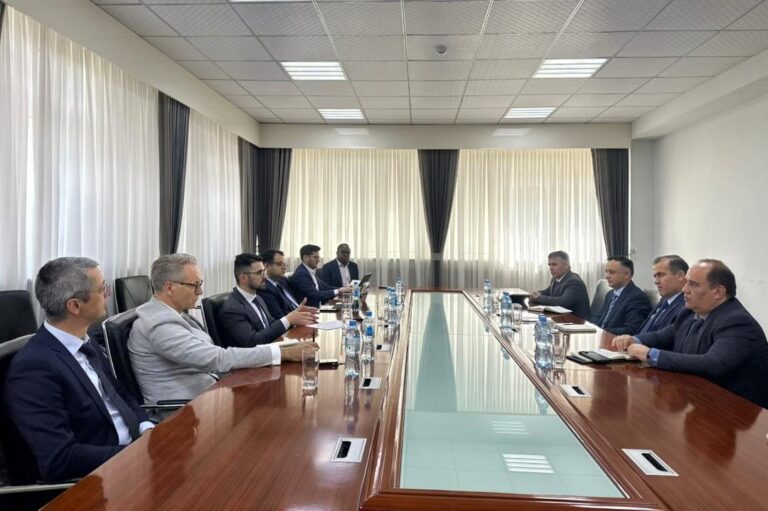
According to the Japanese Embassy in Dushanbe, Mr. Yoshihiro Nakayama, Chargé D’Affaires of the Embassy of Japan in Dushanbe, and Ms. Khayrinisso Kenjayeva, Deputy Chairperson of Panj District signed the Grant Contract for Construction of New Building at School No.7 in Arab Jamoat, Panj District. US$84,641 will be provided for the Project.
The Project will encompass the construction of a new school building, 224 square maters, including teachers’ room and six classrooms. Secondary School No.7 is located in Arab Jamoat, one of the most rapid populations growing Jamoats in Panj District, some 228 kilometers of Dushanbe.
600 students enjoy their school life, but their only school building, 560 square maters, is designed only for less than 200 students. Adding one more building to the existing school building will allow reducing the class shifts and over-populated classrooms. The new facility will also ensure safety of the building where children will spend most of their day.
As a result of this project, the school, 784 square maters to be, expects improvements of the school infrastructure, which will contribute the long-term positive influences such as reducing dropouts and increasing the number of students, who continue their studies for higher education.
The Parents’ Committee also supports the Project. Throughout the difficult years of School No.7, the parents have strongly assisted the school management. Their seamless efforts are appreciated by the School board and local authority as the vital assistance to improve school conditions over the years.
Grant Assistance for Grass-roots Human Security Projects (GGP) is mainly provided to local governments, NGOs, and educational and medical institutions in developing countries. GGP provides support to projects in the human security sectors at the grassroots level. GGP has extended more than US$ 15.2 million for 231 projects in the Republic of Tajikistan since 1996.