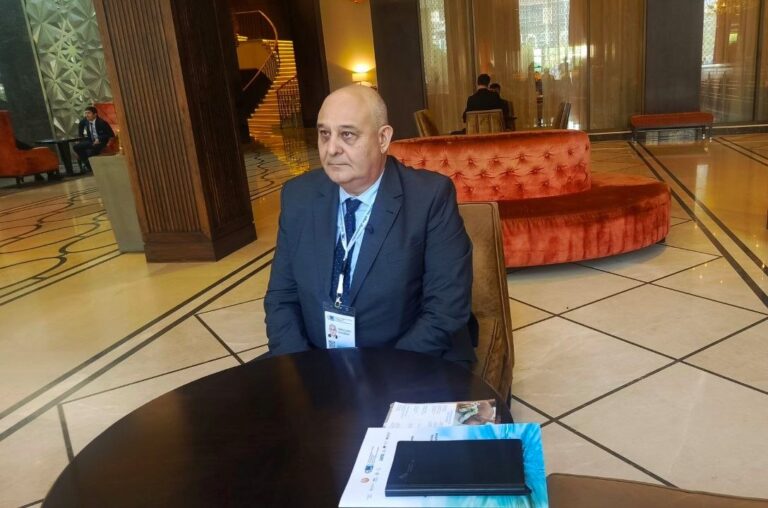
DUSHANBE, April 10, 2009, Asia-Plus — Afghan drug dealers have launched a new drug route to Russia that runs through the Middle East countries to Ukraine or Caucasus and from there to Russia, the chief of staff of the Drug Control Agency (DCA), Fakhriddin Jonmahmadov, remarked at a news conference in Dushanbe today.
According to him, this year’s prognosis on production of narcotics in Afghanistan is deplorable despite the fact that opium cultivation in relatively stable northern provinces of Afghanistan has reduced.
Military actions and the uncontrollable military and political situation in southern, southeast and southwest bring to increase in production of narcotics in the neighboring country. If weather conditions do not affect, the final output figures are expected to be high, the drug control official said.
During the press conference, it was also noted that UNODC’s data showed a sharp decrease in opium cultivation in northeast part of Afghanistan bordering on Tajikistan – from 4,853 hectares in 2007 to 200 hectares in 2008 (97 percent decrease).
Speaking to reporters, deputy director of the counternarcotics agency, Ms. Bunafsha Odinayeva presented a report on the drug situation in Afghanistan prepared by Afghan drug police.
We will recall that UNODC”s Afghanistan Opium Survey 2008 released on August 28, 2008 showed a 19 per cent decrease in opium cultivation to 157,000 hectares, compared to the record harvest of 193,000 in 2007. Owing to a higher yield of 48.8 kg/ha (up from 42.5 kg/ha in 2007), opium production has dropped less dramatically, down 6 per cent from 8,200 to 7,700. According to the report, the number of opium-free provinces has increased by almost 50 per cent since last year, from 13 to 18. Indeed, 98 per cent of the opium is grown in just seven provinces in the south-west (Hilmand, Kandahar, Uruzgan, Farah, Nimroz, and to a lesser extent Daykundi and Zabul), where there are permanent Taliban settlements and organized crime groups profit from insecurity.
Despite these improvements, the situation is vulnerable to setbacks, the survey said. “Afghanistan”s drug control strategy should be to consolidate and reduce”, says Antonio Maria Costa, Executive Director of UNODC. “Afghanistan is one of the poorest countries in the world, and the latest food crisis has made farmers even more vulnerable. Opium is a seasonal plant. It may be gone today, but back again tomorrow,” he warns.