DUSHANBE, May 19, 2009, Asia-Plus — Tajikistan has seen considerable currency devaluation over the past four and half months. The currency devaluation has led to increase in prices of some basic food products at Dushanbe’s bazaars.
Thus, the price of one liter of cooking (cotton) oil rose at the Shohmansour bazaar from 5.00 somoni in January to 6.00 somoni (20 percent increase) on May 18, with similar price rise at other bazaars in the city. The price of one kilogram of sugar rose from 2.50 somoni in January to 3.50 somoni (more than a 28 percent increase) on May 18.
In the meantime, prices of other basic food products have remained practically unchanged. Thus, the price of one kilogram of beef at the Shohmansour bazaar is currently from 17 to 18 somoni.
The price of one kilogram of potatoes is 1.40 somoni, onions – 1.50 somoni, carrots – 1.00 somoni, macaroni – from 3.00 to 8.00 somoni, depending on grade, eggs cost 0.6 somoni per piece.
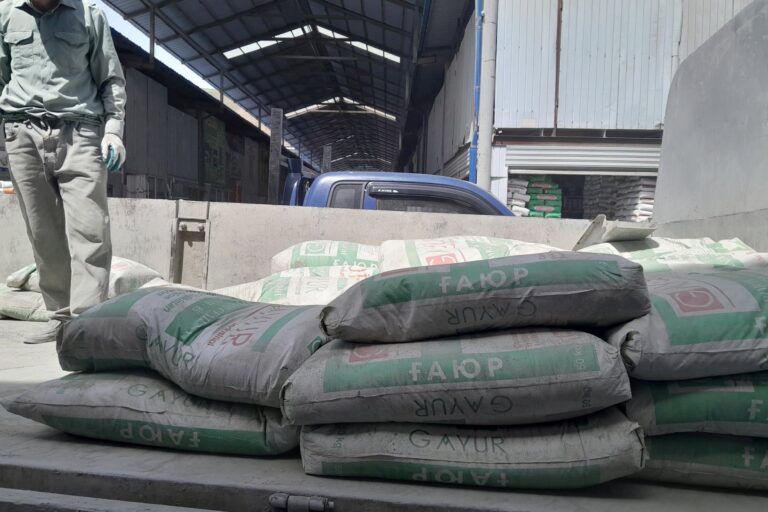
Prices of some basic foods have even decreased over the report period. The price for a 50-kilogram sack of grade 1 wheat flour decreased from 100 somoni in January to 90 somoni on May 18 (10 percent decrease) and the price of one liter of vegetable oil decreased from 8.00-11.00 somoni in January to 6.00-9.00 somoni on May 18.
In the meantime, the Tajik national currency, the somoni, has fallen some 23.2 percent against the U.S. dollar since the beginning of this year. An official exchange rate of the somoni against the dollar dropped from 3.4:1 in January to 4.19:1 on May 19.
We will recall that in a report released at a press conference in Dushanbe, the head of the National Bank of Tajikistan (NBT) Sharif Rahimzoda noted on April 22 that changes in the exchange rate of the Tajik national currency should be proportional to changes in the exchange rates of the main trading partners of Tajikistan, first of all, Russia and Tajikistan. “If we do not want our producers to lose market for their products, fluctuations of the exchange rate of our national currency should be in proportion with fluctuations of the exchange rates of currencies of those countries where our products are sold, first of all, Russia and Kazakhstan,” said Rahimzoda, “It is known that this year Russia and Kazakhstan have seen significant currency devaluation: the Russian ruble has fallen by 50 percent and the Kazak tenge has fallen by 25 percent. Our currency has also approximated the point at which it should be.” “We just could not allow ourselves what Kazakhs had done – to lower the rate of the tenge against the dollar by 25 percent in a day. To initiate such weakening of the somoni we would need too many money in order to hold this rate.” Therefore, we are bringing the somoni rate down to the necessary point gradually and it is a normal process, he said.
As it had been reported earlier, in February this year the somoni fell nearly 5 percent against the dollar. Tajik National Bank Chairman Sharif Rahimzoda said that time that the somoni”s weakening against the dollar was initiated by the country”s central bank. Rahimzoda said the plunge in the price of Tajikistan”s major commodities — aluminum and cotton — has caused the situation.