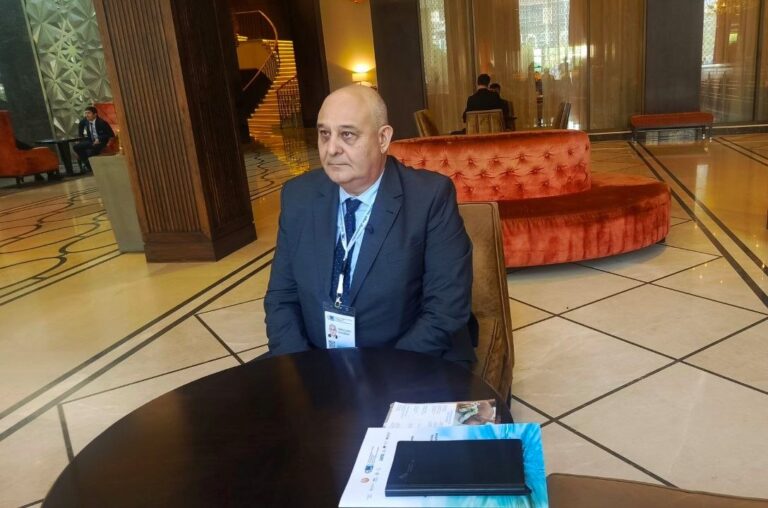
DUSHANBE, January 3, 2009, Asia-Plus — They will not be able to curb devaluation of the national currency, the somoni, through this year, Professor Hojimahmad Umarov of the Institute for Economic Studies within the Ministry of Economic Development and Trade (MoEDT), said in an interview with Asia-Plus.
“The exchange rate of any currency depends on development of the real sector of economy, first of all, its production part,” said Umarov, “In the meantime, the real sector of economy in Tajikistan has been paralyzed in recent years; the majority of industrial enterprises have not been in operation and the cotton subsector has been in a very poor state.”
According to him, labor migrant’s remittances have been the only means that have somehow kept the somoni from falling. “These funds have served as a kind of prop to support the national currency for many years. However, the financial crisis has resulted in labor migrants’ remittances decreasing and currency aggregates have become significantly reducing that, in turns, caused the increase in demand for foreign currency,” said the expert, “Moreover, prices of consumer goods are starting to rise following decrease in import volumes.”
Dr. Umarov considers that the government should have developed the import-replacing production already last year. “However, nothing has been done in this direction and at present, it is practically impossible to fill our market with domestic goods in a short space of time. It will take at least one year, therefore, devaluation of the national currency will continue through this year,” he said.
Moreover, it is still unknown when economic recovery in Russia and Kazakhstan, where our labor migrants are working, will start, Umarov stressed. “Theoretically, the central bank of the country has a number of instruments to control the exchange rate of the national currency, including intervention to prop up the somoni but the National Bank of Tajikistan (NBT) does not have enough resources for that,” said Umarov, “The gold and currency reserves of the NBT now amount to only 183 million U.S. dollars.”
On the recent fall in the exchange rate of the dollar against the somoni, the expert noted that it was just a temporary occurrence. “Suppose the government dumped 3 million U.S. dollars on the domestic currency market, however, these funds will be enough to keep the somoni exchange rate only during some 15 days and after that the somoni devaluation will resume,” Umarov said.