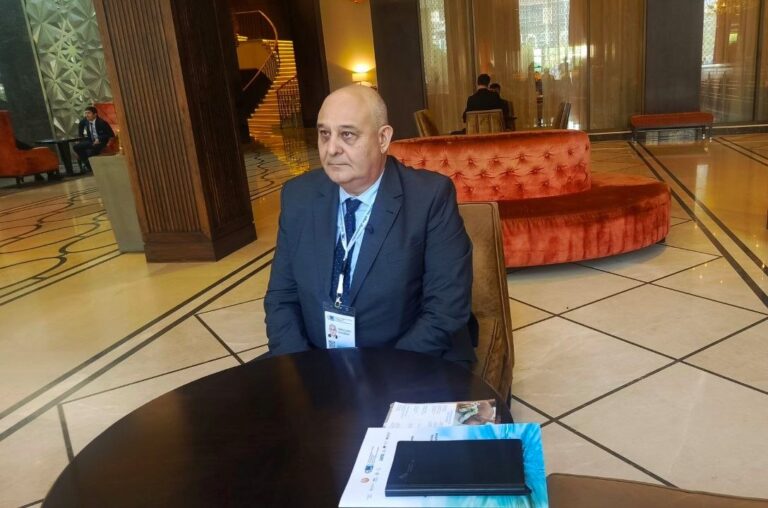
DUSHANBE, June 6, 2009, Asia-Plus — Recent currency jumps are probably the result of actions aimed at raising the rate of collection of taxes and customs duties in the country, independent economy expert Dilovar Komilov said in an interview with Asia-Plus.
According to him, Tajikistan’s tax system is created in fashion that increase in the exchange rate of the dollar leads to increase in receipts to the budget. “Price rise and tax receipts increase correspondingly,” said Komilov, “Besides, it is to be noted that some 90 percent of consume goods are imported into Tajikistan, and therefore, customs duties increase as well. Customs duties depend to on the dollar exchange rate; however, they are collected in somoni.”
“Such a situation is profitable for the government, which tries to close the budget gaps by these “operational” measures that have no connection with improvement of economy,” the expert noted.
Komilov says he doubts the National Bank of Tajikistan (NBT) will be able to continue to control the fall of the somoni. “There are no any real preconditions for that. A stable economy is needed for stabilization,” said the expert, “Besides, sharp currency jumps always mean external manipulations. Taking into account that the country’s economic situation is deteriorating, one may suppose that these measures cannot be efficient for a long time and most likely, such jumps may recur in the near future.”
According to him, several large commercial banks might make plans to initiate this currency speculation. “The situation begs the question will the law enforcement authorities investigate in to this fact?”
The expert added that another reason for stabilization of the exchange rate could also be withdrawal by the central bank of part of somoni from circulation. “This measure will also may bring to talking part of dollars from the population, provoking people to exchange the dollar savings kept in home for somoni,” he noted.