DUSHANBE, February 10, 2011, Asia-Plus — With earthquakes, heat waves, floods and snowstorms affecting 208 million people, killing nearly 300,000, and costing $110 billion in losses last year alone, the General Assembly yesterday debated mitigation steps such as building safer schools, hospitals and cities to reduce the terrible toll, the UN news center reports.
“We need to take lessons from cities and countries that have shown how to reduce risk – as well from those less fortunate, whose examples of calamity should give us all pause for thought,” UN Secretary-General Ban Ki-moon said in opening the session, which brought together senior United Nations officials, civil society partners and city mayors. “Experience and common sense agree: we must invest today for a better tomorrow.”
Mr. Ban recited the litany of natural disasters of the past year – earthquakes in Haiti, Chile and China, floods in Pakistan and Europe, wildfires in Russia and the United States, cyclones and tropical storms in Asia. “Barely a day went by without lives devastated, homes demolished, people displaced, and carefully cultivated hopes destroyed,” he said. “It was one of the deadliest years in more than a generation.”
Noting that this year may prove to be just as costly, with severe floods in Australia and Brazil showing that no country or city, rich or poor, is immune to disaster, he stressed that all too often, poorer countries suffer disproportionately and have the biggest challenges in recovering.
“Children are among the most vulnerable,” he declared. “Thousands died last year as earthquake, flood or hurricane reduced their schools to rubble. These deaths could have been prevented. Lives can be saved by advance planning – and by building schools, homes, hospitals, communities and cities to withstand hazards. Such measures to reduce risk will grow ever more important as our climate changes and extreme events become more frequent and intense.”
He highlighted the UN global disaster risk reduction campaign that is already focusing on safer schools, hospitals and cities, with nearly 600 towns and cities from all regions committing to a 10-point checklist for making them more resilient.
Assistant Secretary-General for Disaster Risk Reduction Margareta Wahlstrom stressed the importance of early warning systems in reducing death tolls over the past 20 years, though not economic losses. “The number of lives lost proportionally over these last decades to what it used to be keeps going down, so early warning and preparedness work,” she told a news conference held on the sidelines of the Assembly meeting.
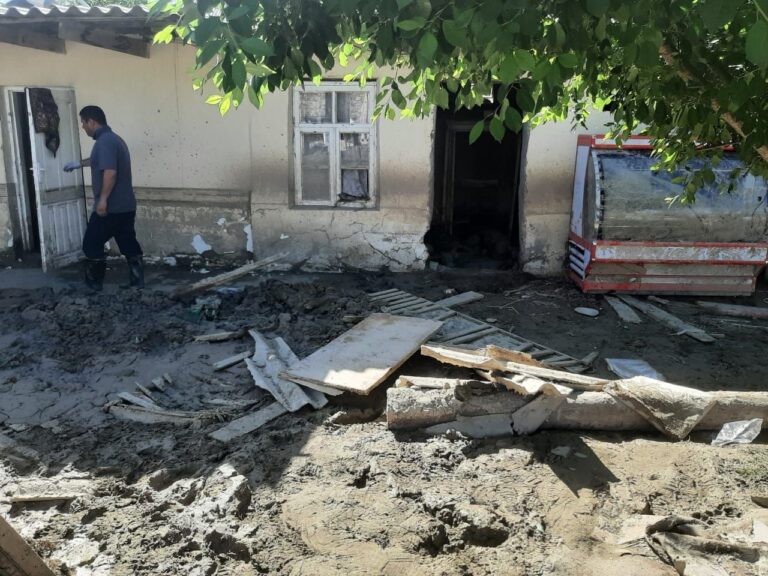
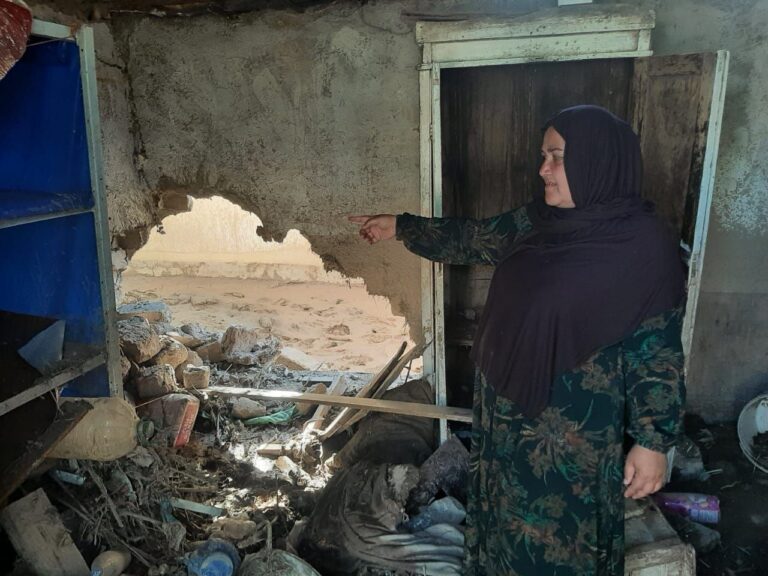
According to data from Tajik Committee for Emergency Situations (CES), natural disasters that hit Tajikistan last year killed 61 people. In all, 236 natural disasters were reported in the country in 2010. 4,425 residential buildings were affected; 646 of them were destroyed to the extent of being unsuitable for living. Damage caused by natural disasters to the country last year is estimated at some 519 million somoni.