DUSHANBE, February 28, 2011, Asia-Plus — The United Nations World Food Programme (WFP) on February 28 warmly welcomed a US$5 million donation from the Russian Federation to help fund a range of programs that provide food assistance to victims of natural disasters, to families facing extreme food insecurity, and to children in primary schools, according to the WFP CO in Tajikistan.
“This donation to WFP”s work in Tajikistan is especially important because it comes at a time when the resilience of the most vulnerable families will be once again tested by a resurgence of high prices for staple foods,” said WFP Country Director Alzira Ferreira. “We are indeed proud to be a trusted partner of the Russian Federation.”
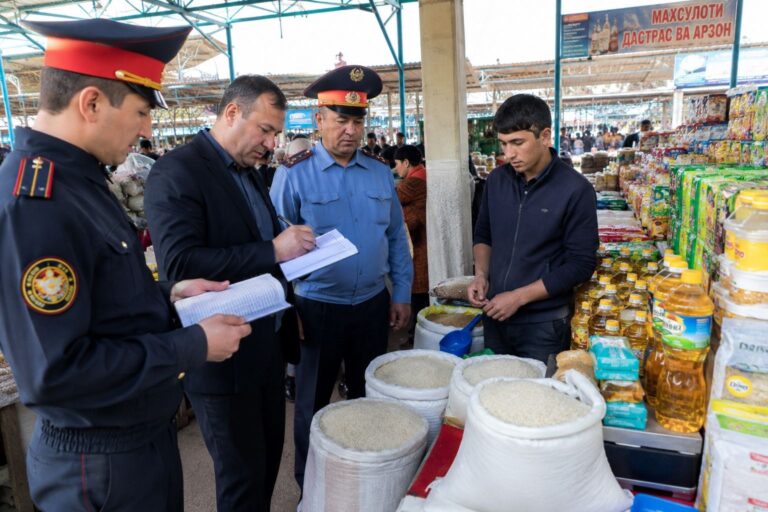
Ferreira noted that the prices of basic food commodities have increased significantly in 2010 in Tajikistan, with wheat flour costing on average 31% more in January 2011 than in January of last year.
Russia’s generous donation will help achieve one of WFP’s most immediate priorities: to strengthen social protection programs which will mitigate the impact of high food prices on the poorest families, she added.
“WFP’s extensive school feeding project in Tajikistan, our support to tuberculosis patients and families and our targeted distributions to highly food insecure families, are examples of effective safety nets that protect the poorest,” said Ferreira. “Other WFP activities, such as food-for-work programs, help boost agriculture and food production.”
Noting that Russia is the biggest donor to WFP in Tajikistan, Ferreira added that the new donation will set an example for other donors to support these crucial programs. WFP is facing a shortfall of US$10 million for its work in 2011 and has already faced shortages in the food pipeline to schools.
School feeding is WFP’s flagship program in Tajikistan. WFP, through a long and productive partnership with the Departments of Education of the Government of Tajikistan, enables 360,000 primary students, teachers and school assistants to enjoy a cooked meal and bread every school day. “We believe that nutrition and education together give a child the best possible start in life. We are very proud of the fact that WFP gives food to 60 percent of the rural primary school children in the country,” Ferreira said.
In 2011, WFP will give food assistance to a planned 560,000 people in some of the most food-insecure areas of the country, using state-of-the-art technology to forecast and monitor the “hunger hot spots” as well as the nutrition status and livelihood capabilities of the population.