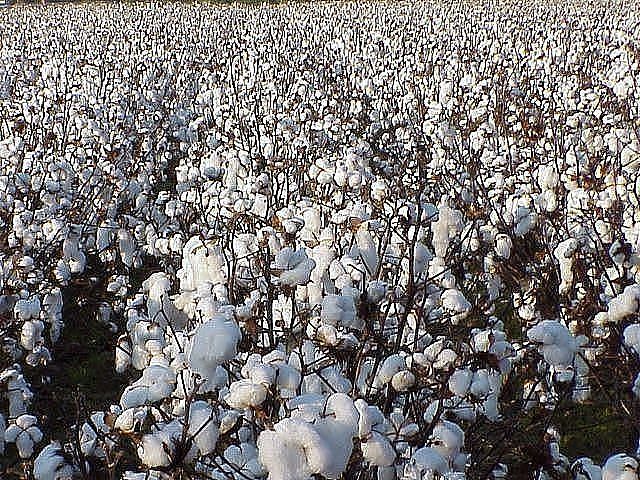
DUSHANBE, June 3, 2013, Asia-Plus — The Cotton Sector Recovery Project is reportedly in the final stage of completion.
The World Bank’s
Tajikistan Partnership Program Snapshot
notes the Project aims to assist the Government of Tajikistan in resolving the cotton debt crisis and rejuvenating the cotton sector through debt resolution, an improved policy environment, and increased cotton output and profitability.
According to the report, the accumulation of cotton debt is a result of producer exploitation by the cotton processing and marketing monopolies, which also control credit and input supply.
The new Project Development Objective is to benefit cotton farmers and create the conditions for the sustainable growth of cotton production in low-income areas of Tajikistan through an improved policy environment and better access to finance,
Tajikistan Partnership Program Snapshot
says.
“The project has been an important vector for cotton sector reform. Following the May 30, 2009 announcement of the total debt write-off, considerable progress has been made on farm debt annulment for the majority of farms. According to Government sources, an estimated US$500 million of farm debt has been written off.
“Together with the European Bank for Reconstruction and Development (EBRD)/Tajikistan Agriculture Financing Framework project, the project team has also worked with the Government to use the agriculture credit lines extended by the Ministry of Finance to commercial banks, for both cotton and non-cotton farming activities. This is a critical step forward in the development of a more diverse and balanced agriculture sector. In addition, the decision to reallocate the project’s funds to a postharvest credit line for cotton processors has provided an alternative to these government-funded credit lines and facilitated the Government’s agreement to phase out this publicly funded source of agricultural credit. Subsidiary loans worth US$10.4 million (100 percent of available funding) were disbursed through two local participating financial institutions (PFIs) to 11 ginneries in August–September 2011 for seed cotton purchases from farmers in the 2011–12 season, including the US$5 million from the roll-over account of the 2010–11 cotton season. The freedom to farm is now a reality, as the farmers interviewed during the field visits to the Khatlon province all confirmed that they were free to choose crops and financing partners at the time of planting spring crops in 2012.
“Despite lower international cotton prices in the 2011–12 marketing year compared to 2010–11, the average seed cotton price paid to farmers increased from US$701 per one ton in 2010–11 to US$780 per one ton in 2011–12 (+11 percent). According to the PMU’s Monitoring & Evaluation System, only 1 percent of farmers received less than 80 percent of world market price and 3 percent of seed cotton volume was sold below the 80 percent threshold of corresponding international cotton prices. However, as of December 2012, the loan repayment rate by the ginneries to the commercial banks is only 92.6 percent, a bit below the threshold. It is expected to improve.”