DUSHANBE, August 5, 2013, Asia-Plus — Monopolization of alumina production by transnational companies and current alumina prices dictated by them have proved the timeliness and correctness of Tajik Aluminum Company (TALCO)’s decision to gradually make shift to domestic raw materials, Professor Haidar Safiyev, Director of the Metallurgical Research Institute, TALCO told Asia-Plus in an interview.
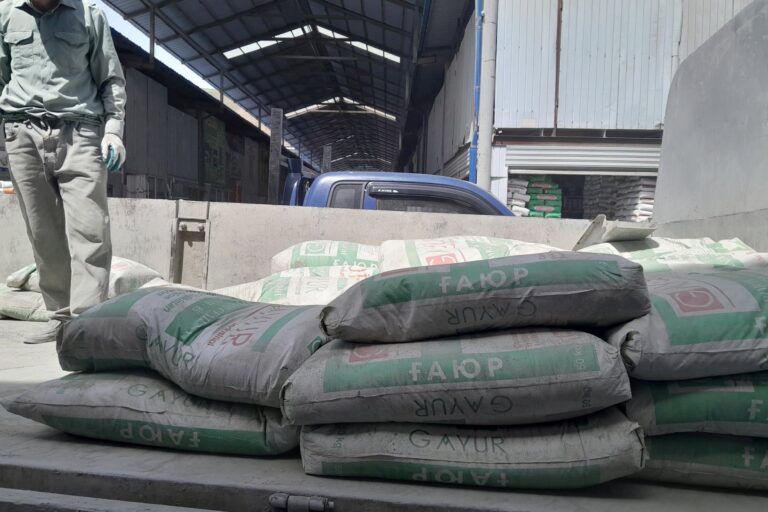
According to him, lack of domestic production of raw materials, remoteness of Tajikistan from sea ports, increasing transportation expenses and dependence on fluctuation in the international prices have put TALCO at disadvantage compared to other world’s leading aluminum producers. “Therefore, TALCO must seeks ways to provide raw materials and transportation independence,” Safiyev said.
He noted that specialists from TALCO, the Metallurgical Research Institute, the Ministry of Energy and Industry, the Academy of Sciences and the Main Geology Directorate were conducting surveys on exploration and development of the Turpi nepheline syenite deposit and other alumina-containing deposits in Tajikistan.
“The most promising deposits are Kurgovat (muscovite and staurolite slates) in the Western Pamirs and Ziddi and Chashmasang (kaolin),” the expert said, adding that further exploration of those deposits is needed.
He also stressed that processing and use of industrial waste was also important. “To-date more than one million tons of waste containing valuable components have been amassed at Tajik aluminum smelter and this waste could be used as raw materials for production of aluminum,” Safiyev said.
He further added that another important aspect of Tajik aluminum smelter’s shift to domestic raw materials was construction of two plants for production of aluminum fluoride and cryolite in Yovon, Khatlon province.
We will recall that Tajikistan has reduced aluminum productions in recent years. Over the first six months of this year, Tajikistan has reportedly produced 117,600 tons of primary aluminum, which was 18.7 percent or 271 tons fewer than in the same period last year. Tajikistan has exported little more than 109,000 tons of primary aluminum over the same six-month period, which was 31,700 tons fewer than in January-June 2012.
During the report period, an average price for one ton of primary aluminum was 1,914 U.S. dollars, 166.00 U.S. dollars fewer than in January-June 2012.
Tajik experts attribute considerable reduction in aluminum production to disruption in natural gas supply from Uzbekistan.
Tajikistan produced 272,500 tons of aluminum last year, which was 2.0 percent fewer than in 2011. The share of aluminum in Tajikistan’s exports fell from 54.6 percent in 2011 to 39.5 percent in 2012.
Tajikistan’s aluminum exports over the first ten months of 2012 fell to 221,500 tons, which was 12,300 tons fewer than in the same period in 2011. The country’s aluminum exports reportedly declined due to the fall in the international aluminum prices.
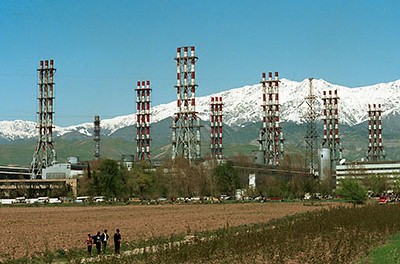
The aluminum plant, run by the Tajik Aluminum Company (TALCO), was launched in late March 1975. It is one of the ten largest aluminum smelters in the world and provides up to 70% of the country’s foreign currency earnings, consuming 40% of the country’s electrical power. Tajikistan does not mine alumina but imports the raw material through tolling arrangements.