DUSHANBE, June 9, 2015, Asia-Plus – Inaugurating the high-level international conference on the implementation of the International Decade for Action, “Water for Life”, 2005-2015, Tajik President Emomali Rahmon noted today that Tajikistan is the richest Central Asian country in terms of water resources.
In the territory of the country 64 billion cubic meters of water originate annually that makes more than 60% of river flow of the region.
The president noted that the Government of Tajikistan attaches a great importance to improvement of water supply to the national economy and population.
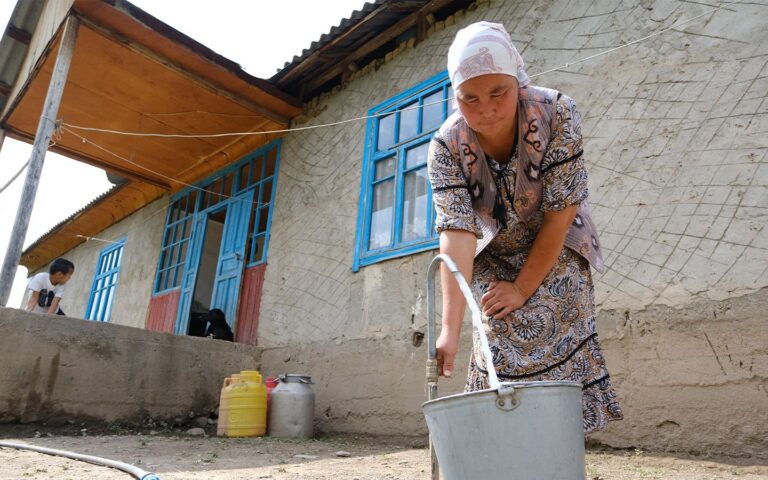
“During the period of the “Water for Life” Decade for Action nearly 1.648 billion US dollars from different sources has been invested in implementation of water related projects and programs. In this period one and a half million people in the country have got access to safe drinking water.
“Nevertheless, providing population with clean drinking water still remains the priority issue for the country’s water sector, since regardless of significant achievements of the last decade the target to improve water supply conditions is significantly behind the schedule.
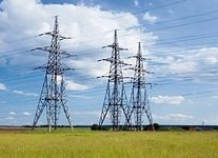
“Hydropower being the most important component of the economy of Tajikistan is the country’s main source of power supply to the population and economy. 98% of electricity in Tajikistan is generated by hydropower plants. Despite the enormous hydropower potential Tajikistan due to various problems currently uses no more than near 4 percent of its potential and each year up to six months during the winter season population of the country faces severe power shortages.
“This situation is absolutely unacceptable in the conditions of the beginning of XXI century and will have negative impact on the socio-economic development of the country and the achievement of all development goals.
“Hence, the development of energy sector is included by the Government of Tajikistan in the strategic goals of the country. It is, first of all, aimed at ensuring adequate access to energy and improving the well-being of the people of the country, in full accordance with the UN Secretary-General’s “Sustainable Energy for All” initiative, in the framework of which Tajikistan is a pilot country.
“According to the observation records of the past 60 years, annual temperature in the country has on average increased by 0.5-1°C. As a consequence, an intensive melting of snowfields and glaciers is observed in the highland areas of the country, resulting in loss of more than thousand glaciers of Tajikistan. According to expert estimations in the medium- and long-term perspective, this could lead to reduction in river flow, which is fraught with consequences not only for Tajikistan, but also for the whole region.
“Climate change will also be conducive to more frequent natural disasters, accompanied by a significant economic loss and sometimes loss of life. For the past ten years water related natural disasters have caused to the economy of the country loss of 1 billion US dollars and took hundreds of lives.
“An equally important factor in addressing the problems related to water resources is sustainable financing of the water sector and use of modern technology. In pursuing these aims, the Government of Tajikistan, along with its own resources, is attracting funds from international organizations, donors and foreign investors.”