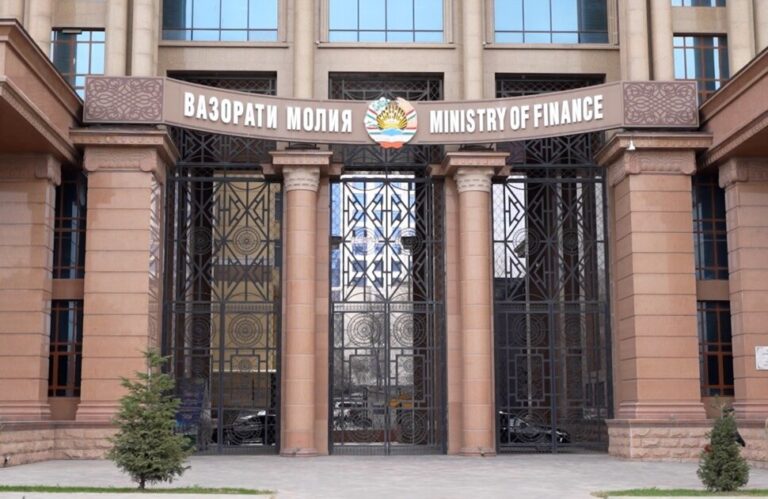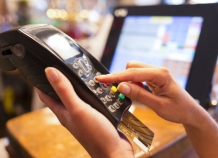
DUSHANBE, July 8, 2016, Asia-Plus – The number of electronic terminals installed in shopping centers and service centers across the country rose 26.7 percent in a year to June 1, 2016, reaching 631, according to the National Bank of Tajikistan (NBT).
A statement released by Tajik central bank on July 8, in particular, notes that the number of cash payment points having electronic terminals installed increased by 25.5 percent in a year. In all, 1,672 electronic terminals have been installed in these cash payment points.
Currently, sixteen lending agencies in Tajikistan are engaged in issuing and operating bank cards. The number of bank cards issued by these lending agencies increased by 29.3 percent in a year to June 1, 2016, reaching 1,562.
A statement released by the NBT on July 1 says that retailers and restaurants are bound to accept payment by bank card against the threat of fines up to US$1,000.
A National Bank decree that came into effect on July 1 reminds businesses that under a law adopted in December 2014, shops covering an area larger than 40 square meters need to have card processing terminals installed.
Entities liable to be fined have until next January to come into line with the rules.
Meanwhile, an article “Tajikistan: Retailers Face Giant Bank Card Fines” that was posted on
EurasiaNet.org’s
website on July 4 notes that while it might be desirable for business out in the regions to transition toward cashless transactions, if not just to help develop the country’s weak banking sector, there is clearly an ulterior motive at play. Developments in recent days, which have seen banks suffer fresh liquidity problems, reportedly suggest this is in fact a desperate, last-ditch measure to wean people off reliance on hard cash. Both the country’s largest banks — Tojik Sodirot Bonk (TSB) and Agroinvestbonk — are both experiencing trouble getting hold of enough money to hand out to desperate clients, according to the article.
Over the past year, the NBT has adopted a range of harsh measures to constrain the operations of the money exchange business as a way of preventing devaluation of the somoni. In March, a law was adopted that made illegally exchanging money punishable by between three and nine years in jail, depending on the sum of money in question. A month before, the National Bank decreed that rubles sent home through wire services by migrant laborers in Russia could only be collected in somoni. And in December, all private money exchange points were forced into closure, so that only banks or entities affiliated to them could carry out currency exchange operations.