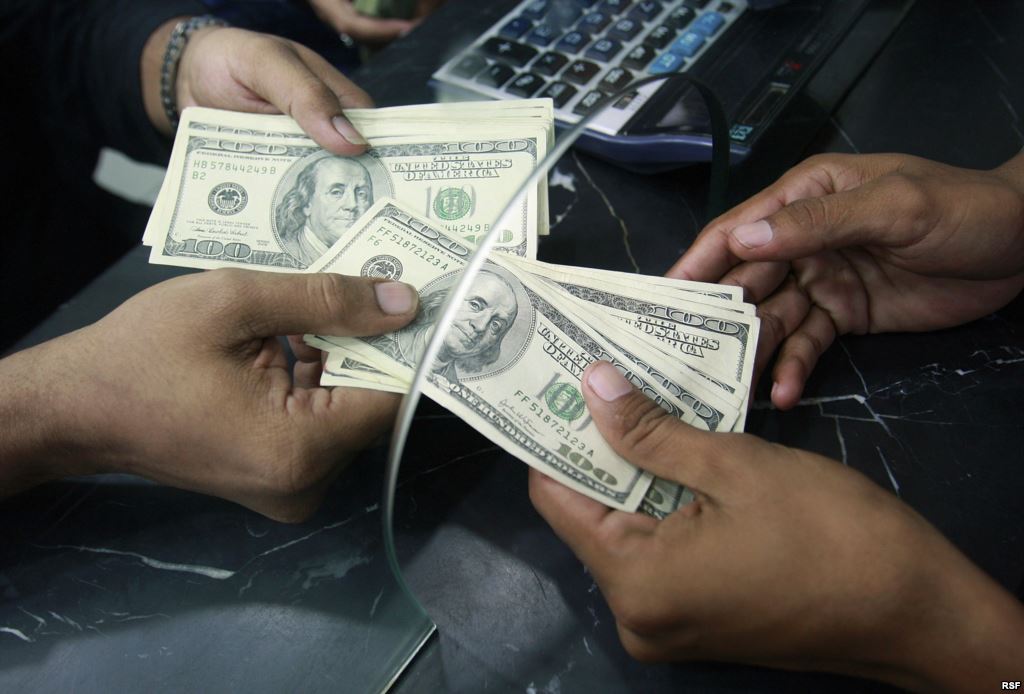
DUSHANBE, August 2, 2016, Asia-Plus /Payrav Chorshanbiyev/ — The World Bank’s survey Listening to Tajikistan (L2TJK) notes that average remittance income fell in real terms between November and January for those households receiving them, but the average value of transfers has remained relatively stable since January.
However, the share of households receiving remittances reportedly stabilized at below 10 percent only in March and began to rise slightly in May 2016.
This trend is partially seasonal, and has contributed to the continued decline in the share of households that received any income over the ten days preceding the interview.
Meanwhile, the number of migrants returning to Tajikistan as a share of the migrants currently abroad remained relatively flat in May, following a decline from December to April, according to the survey. The share of migrants reported as currently working rose from 75 percent in November to about 86 percent in May, mimicking a similar jump recorded in May 2015.
Since August, the share of those respondents interested in migrating who prefer Russia to other destinations returned to near previous highs of between 92 and 94 percent. The share preferring to migrate to Kazakhstan declined significantly between September and January, stabilizing at between 3 and 5 percent.
The average real value of remittances decreased in somoni terms from a high of about 1180 in November to about 1032 in May. Since January, the average value of remittances has slowly climbed due in part to exchange rate movements.
The World Bank Poverty team rolled out the Listening to Tajikistan survey (L2TJK) in May 2015 to monitor the impact of emerging trends throughout the country at high frequency. The survey rapidly clarifies the severity of the economic downturn, the evolution of vulnerabilities, and household responses to risk and deprivation over time. The survey enables a focus on poorer and more vulnerable households, and generates evidence for targeted policy-making.
The fieldwork for L2TJK that commenced in May 2015, is currently ongoing, and is funded through June 2016. The responses are collected over the phone in a panel design. The 800-household sample was drawn from a nationally representative face-to-face survey of 3000 households conducted in the spring of 2015.