The World Bank’s Board of Executive Directors on July 10 approved US$50 million from the International Development Association (IDA) for the Strengthening Critical Infrastructure against Natural Hazards Project in Tajikistan.
According to the World Bank Country office for Tajikistan, the project will strengthen the country’s capacity to prepare for, mitigate and respond to natural disasters. Related investments will help Tajikistan—a country prone to floods, mudslides, and earthquakes, and exposed to considerable climate change risks—to be able to prepare for potential natural disasters and to improve critical infrastructure.
“The project supports the authorities in shifting from a ‘reactive’ approach (that focuses on response) to a ‘proactive’ one that aims at reducing disaster risks and strengthening climate resilience”, said Jan-Peter Olters, World Bank Country Manager for Tajikistan. “It thus reinforces Tajikistan’s ongoing efforts to develop sound policies, responsive institutions, and a resilient infrastructure to minimize the risk that natural hazards—if and when they strike—lead to debilitating disasters, irresoluble socio-economic costs, and avoidable human suffering.”
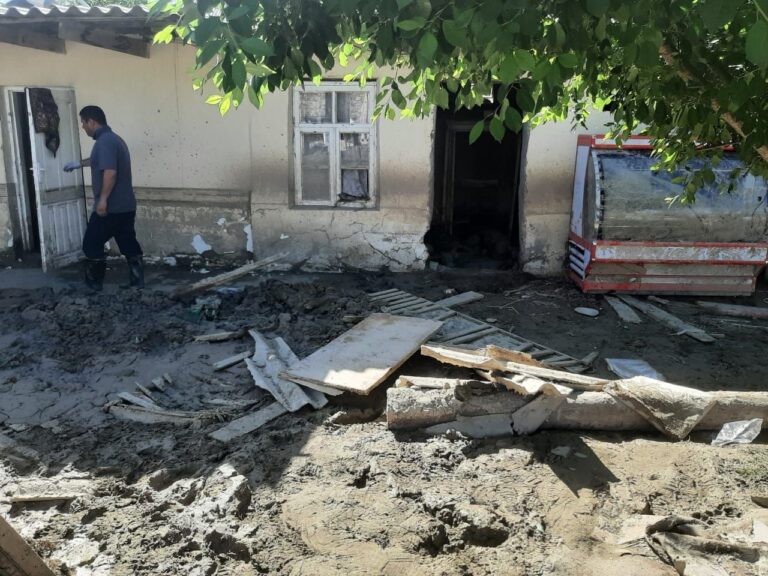
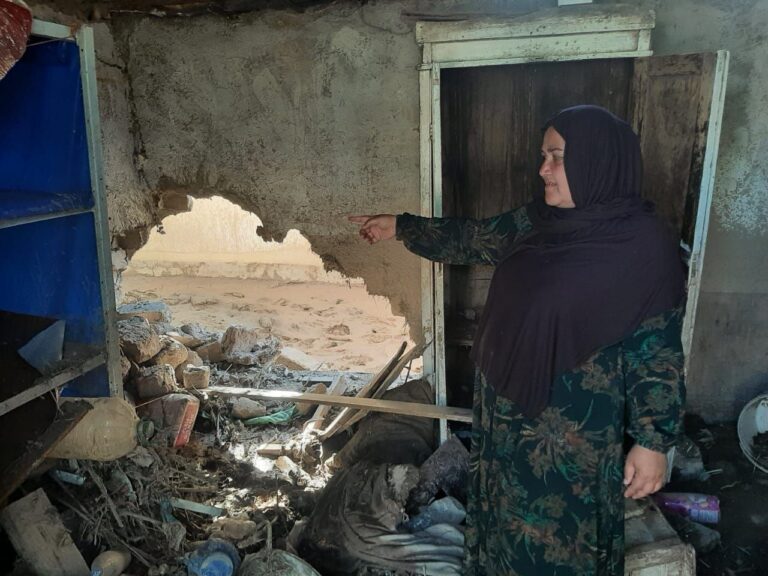
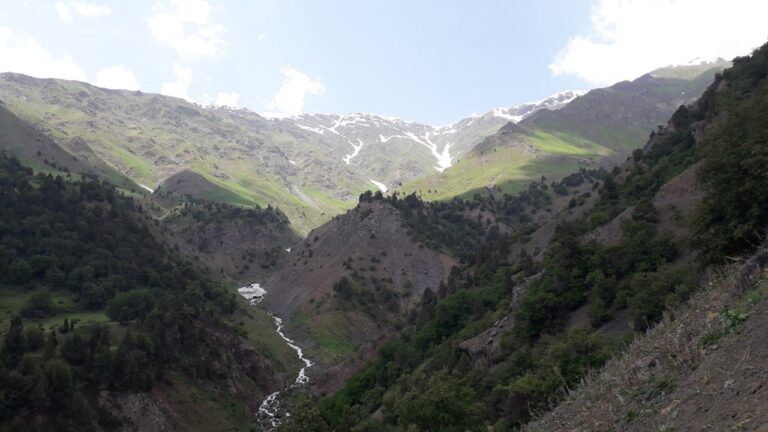
Tajikistan has a long history of severe floods, earthquakes, landslides, mudflows, avalanches, droughts, and heavy snowfalls. Its unique terrain, coupled with geological and hydrological features, translates into high degrees of vulnerability to climate change. At the same time, Tajikistan’s deteriorating infrastructure has increased the population’s vulnerability to extreme weather events and seismic risks. With most of its assets, including irrigation channels, river embankments, roads, bridges, and dams, built in the Soviet era, infrastructure investment needs are acute.
The social and economic impacts from natural disasters have been significant in Tajikistan. During 1992–2016, disasters caused economic losses to a total estimated cost of US$1.8 billion, and affected almost 7 million people. A recent World Bank study on earthquakes and floods estimated that average annual losses from floods could reach 1.4 percent of GDP and those from earthquakes 5 percent.
Through the Strengthening Critical Infrastructure Against Natural Hazards Project, the World Bank and the Government of Tajikistan aim to protect the population and people’s livelihoods from the impacts of natural disasters and climate change risks, by improving the national capacity to effectively mitigate and respond to natural disasters.
The project will finance the modernization of crisis management centers under the Committee for Emergency Situations and Civil Defense to generate timely early warnings, crisis communication and emergency preparedness and response. It will improve the seismic hazard assessment capacity of the Institute of Seismology and Earthquake Engineering for more accurate disaster risk identification. In addition, the project will support the Government in preparing a financial protection strategy to mitigate the risk of fiscal shocks caused by disasters, while making available a Contingent Emergency Response financing of US$6 million for a major natural disaster, that would allow funds to be mobilized quickly for post-disaster response and recovery. In addition, the institutional strengthening will be complemented by the reconstruction of key infrastructure, including roads, bridges, and river embankments in Khatlon province and the Gorno Badakhshan Autonomous Region (GBAO), which were damaged during the 2015 disasters.
The project will be implemented over a six-year period by the Ministry of Finance of Tajikistan, in coordination with the Committee for Emergency Situations and Civil Defense, the Institute of Seismology and Earthquake Engineering, the Ministry of Transport, and the Agency for Land Reclamation and Irrigation.
The project is supported by a technical assistance grant of US$1.25 million from the Global Facility for Disaster Reduction and Recovery, which will assist the Government of Tajikistan by integrating resilience considerations into the design of critical infrastructure and provide recommendations to reinforce disaster preparedness and response capacities.
The World Bank’s active portfolio in Tajikistan includes 21 projects (including regional projects and trust funds) with a net commitment of US$582.6 million. It aims to support economic growth through private sector development, and to increase investment in better public services for people, such as education, health, municipal services and social protection.