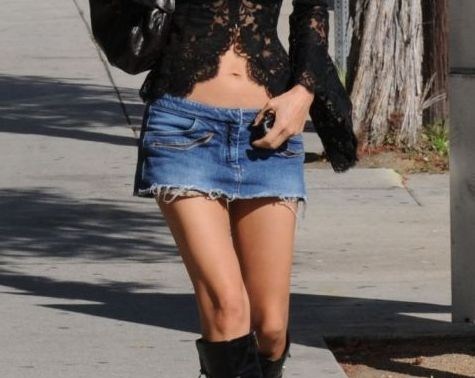
The Committee for Family and Women’s Affairs (Committee) under the Government of Tajikistan has launched struggle against what they say “indecent clothing alien to the Tajik national culture and religion.”
In a report released at a news conference in Dushanbe, the first deputy head of the Committee for Family and Women’s Affairs, Ms. Marhabo Olimi, noted on July 28 the Committee is struggling not only against wearing hijabs but also against wearing indecent clothing “alien to our national culture and religion.”
“Our working groups explain women that wearing hijabs and head turbans is alien to Tajik women. We are also carrying out explanatory work among young women wearing indecent clothing and being half-naked,“ Ms. Olimi stated.
According to her, the Committee together with other agencies will prepare prompting samples of clothing “peculiar to Tajik culture and traditions.”
Recall, President Emomali Rahmon has urged people in Tajikistan not to wear beards or hijabs.
Speaking on July 11, Rahmon praised 10-year-old legislation governing rituals and traditions in the country. He, in particular, said that hijabs and black dresses for women are not in line with Tajikistan's traditions, and that beards are not necessarily a reflection of religiosity.
He called on Tajiks to "love God with their hearts" and not seek to show their "righteousness" through external attributes. Rahmon said citizens should preserve what he called the "true culture of Tajiks" and resist "alien cultures and traditions" he said were being propagated on the Internet.
The first attempts to ban hijab and miniskirts in Tajikistan date back to 2007, when the ministry of education forbade women from wearing the veil to school.
In his Mother’s Day speech on March 7, 2015, President Emomali Rahmon criticized women who wear “foreign” clothing, especially the black veils associated with conservative Islam. The president never specifically named Islamic hijab, but his target was clear: “Strangers” are using these clothes in their drive “to promote obtrusive ideas and want to create another new extremist trend in our country.”
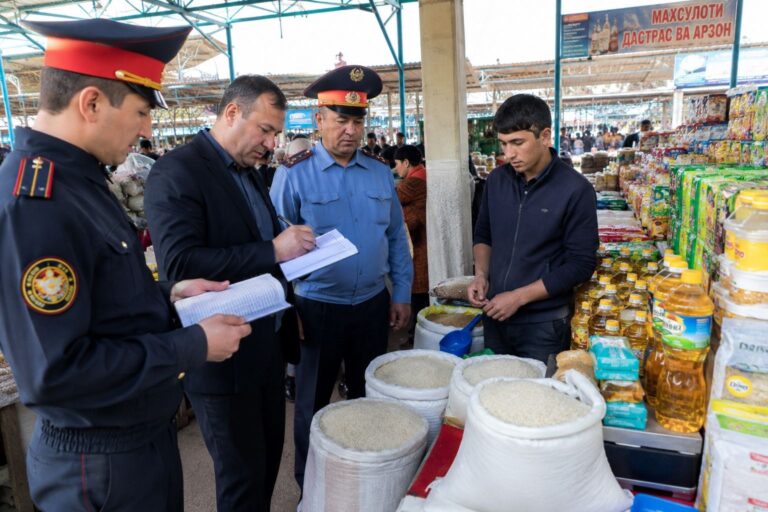
Within days, officials began threatening shopkeepers who sell hijabs. The Dushanbe mayor issued an order for municipal authorities to dissuade women from ‘extremism’. The mayor of the second largest city, Khujand, demanded that the sale of “Iranian and Afghan” clothes be prevented, leading to inspections of shops selling Islamic clothing by police and tax officials.