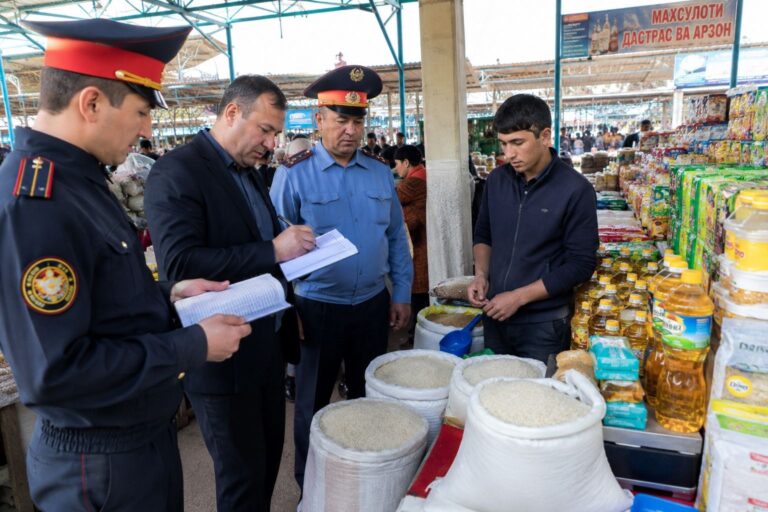
In a ruling handed down today at a court in Dushanbe’s Ismoili Somoni district, a 12,000 somoni fine was imposed on the former director of Tajikistan’s National Library Saifiddin Nazarzoda. Tojiddin Habibulloyev, the father of the daughter-in-law, was also fined. The court ruled that he will pay a 5,000 somoni fine.
The sentenced followed their conviction on charges of violating a law that curtails spending on weddings, funerals, and other private gatherings (Article 481 of Tajikistan’s Administrative Code).
Nazarzoda’s defense lawyer, Nasreddinov, says the rights of his client have been coarsely violated. “Firstly, not anticorruption officers but representatives of the Committee on Religious Affairs should make such raids. Secondly, they [anticorruption officers] should have introduced themselves,” the lawyer noted.
Saifiddin Nazarzoda is the first government official to be removed from his post and face trial for violating the country’s newly amended law.
Recall, the court hearing began on September 21 and Nazarzoda rejected the accusation that the number of the guests at the “oshi nahor” party (morning wedding reception that is held before the main wedding) following his son’s summer wedding, exceeded Tajikistan's legal limit.
Nazarzoda told the court that representatives of the anticorruption agency came to morning wedding reception uninvited, “ate the food and also filmed” the gathering.
The recording was later broadcast on a state TV program that preceded Nazarzoda’s August 15 dismissal from his post.
Nazarzoda claims authorities recorded the same guests several times from different angles on their video, giving a false impression that there were more guests at the gathering.
Saifiddin Nazarzoda intends to appeal the court decision.
The law — locally known as "tanzim" or the "regulation" — was initially adopted in 2007, after President Emomali Rahmon said the cost of the lavish wedding and funeral traditions was putting a financial strain on families in the country.
In late August, Tajikistan's parliament approved the amendments to expand the law, introducing new limits and bans. According to the new changes, government officials may be removed from their post if they or their immediate family members violate the law to throw a lavish party.
The amendments also ban large feasts for certain traditional gatherings, such as celebrating the naming of a newborn, a baby's first haircut, or infant boys' circumcisions.
Instead, the families are encouraged to open bank accounts for their children and spend the money on their education and well-being.
The amendments also strictly limit traditional feasts in funerals and outlaw numerous death anniversaries — such as the seventh-day or six-month anniversaries — to relieve the host families of financial burden.