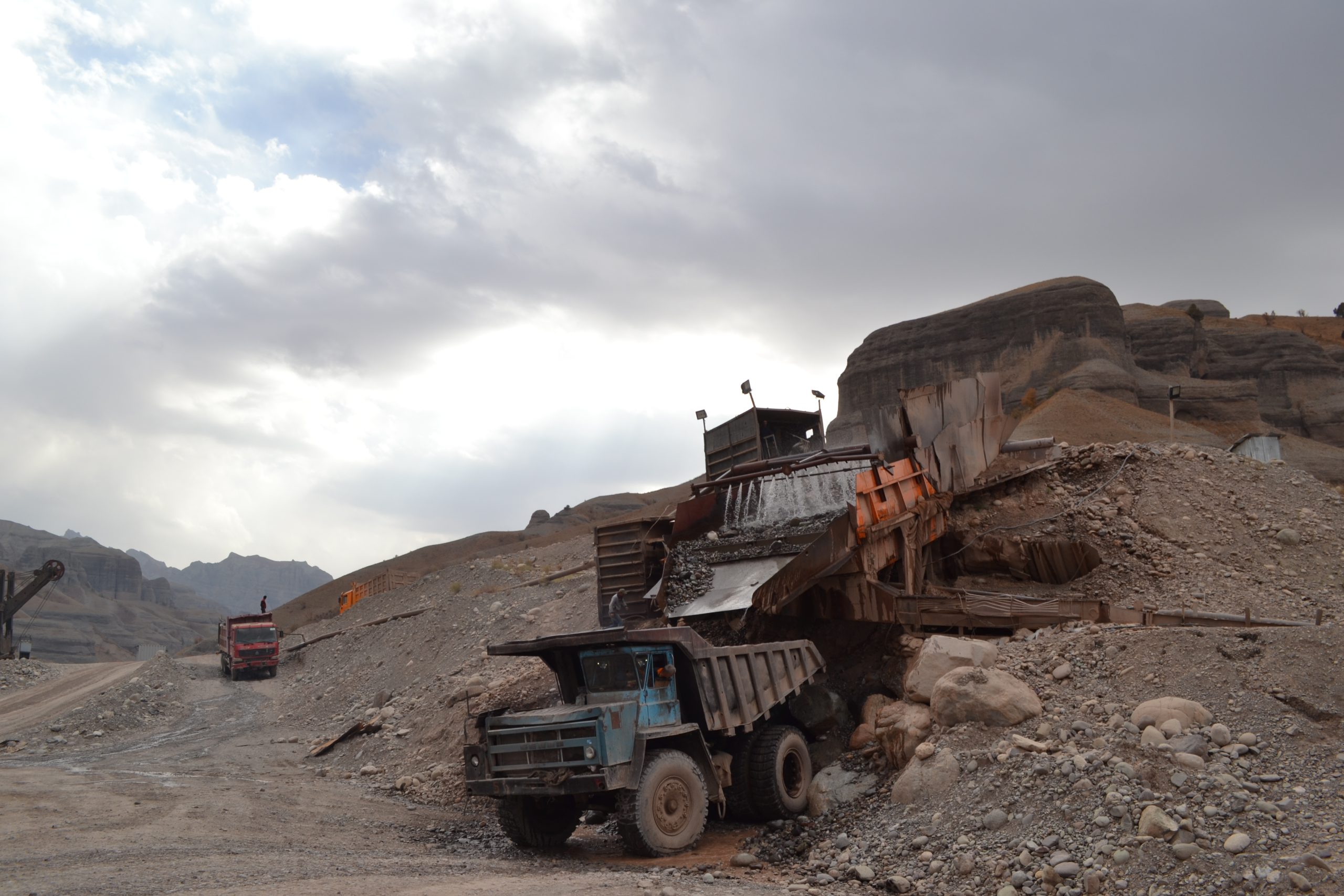
Small gold mine enterprise Odina, which is completing development of gold deposit in the Shugnov jamoat of the Khovaling district in the Khatlon province, is currently seeking for license for development of new deposits.
The Odina is one of the few gold mining enterprises in Tajikistan that operates using only Tajik investments.
The enterprise was granted the license for development of the Shugnov deposit in 2005 but it started developing the deposit only in 2007.
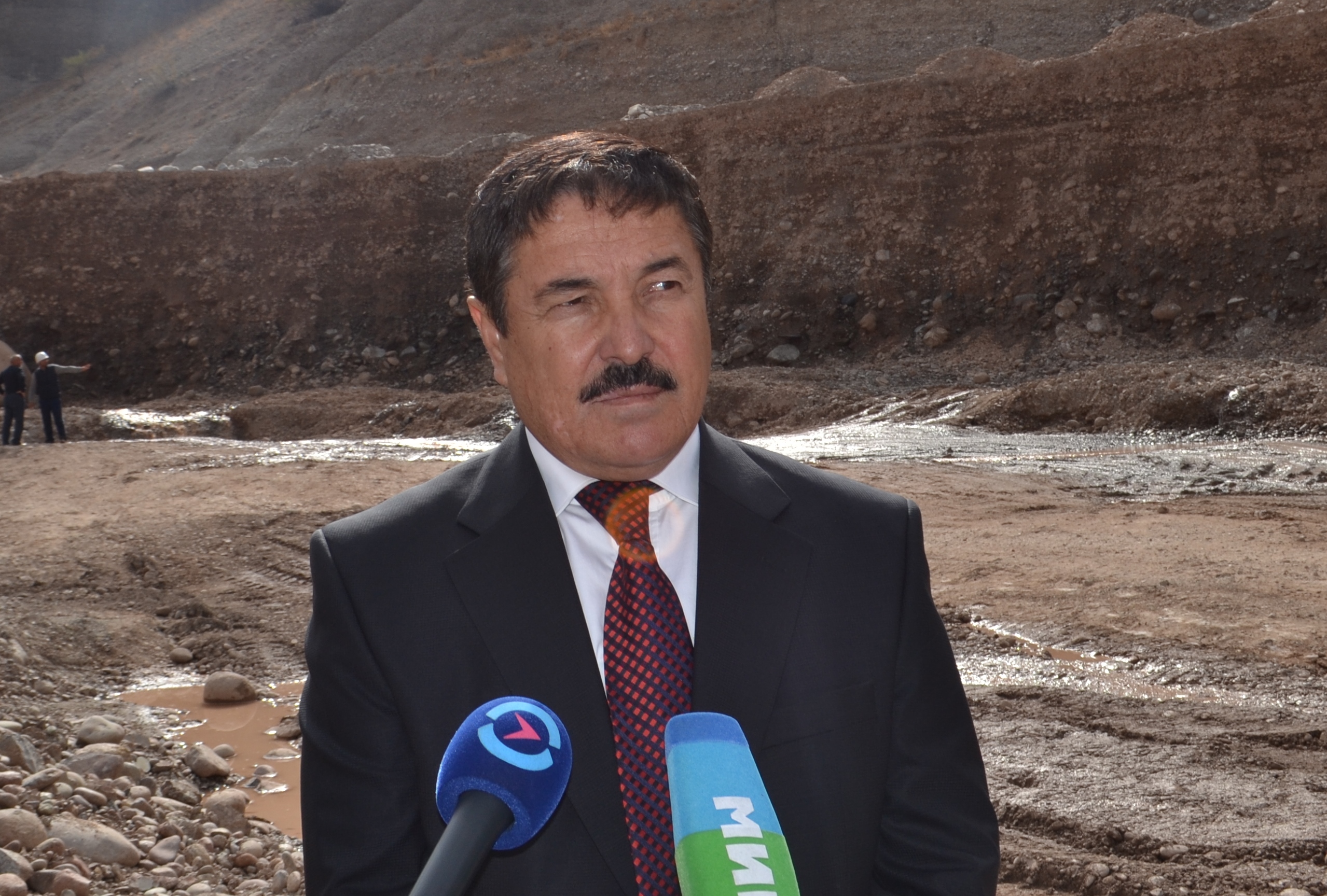
“The license is expired in 2019 but since the gold production increased 2.5 times as much last year, the reserves are ending much earlier,” the enterprise head Qalandar Odinayev said.
According to him, they plan to get license for development of new deposits.
More than 100 people now work for the Odina gold mine enterprise.
According to official data, Tajikistan has 137 deposits with estimated reserves of industrial gold and 127 deposits of non-industrial gold.
Tajikistan last year produced 5 tons of gold, which was 500 kilograms more compared to 2015.
The Tajik-Chinese joint venture (JV), Zarafshon, produced 3,300 kilograms of gold last year, state-run enterprise Tilloi Tojik – 570 kilograms, Tajik-Canadian JV Aprelevka – 590 kilograms, and the remaining amount of gold was produced last year by a number of local small gold mining enterprises.
Meanwhile, China Nonferrous Gold Limited, the first foreign company to obtain 100% ownership of a mining and exploration project in Tajikistan, which is currently mining the Pakrut Gold Project in Tajikistan, is expected to produce 500 kilograms of gold this year.
The Ministry of Industry and New Technologies says that over the first eight months of this year, Tajikistan has produced gold 21 percent more compared to the same period last.
Tajikistan reportedly plans to increase annual production of gold to 17 tons beginning on 2022.
Four large gold mining companies now operate in Tajikistan: Tilloi Tojik; Tajik-Chinese JV Zarafshon; Tajik-Canadian JV Aprelevka; and China Nonferrous Gold Limited, which is the first foreign company to obtain 100% ownership of a mining and exploration project in Tajikistan. Besides, small gold digging enterprises such as Odina, Nazira, Ganj, Barakat and Istiqlol are engaged in gold production in the country.
Most of gold comes from the Jilau deposit operated by Tajik-Chinese joint venture, Zarafshon, which reportedly accounts for more than 70 percent of the total amount of gold produced in Tajikistan.