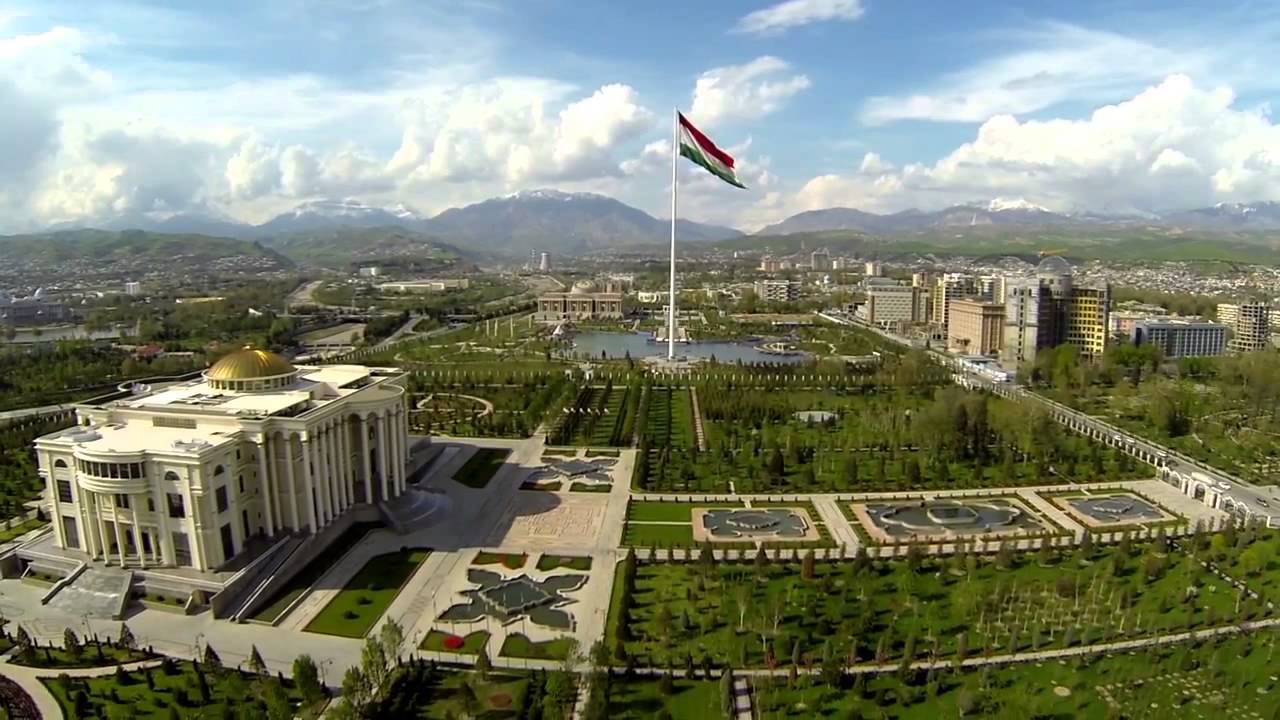
Tajikistan’s lower house (Majlisi Namoyandagon) of parliament is currently studying a draft law “On the Status of the Capital City of Tajikistan” in new addition. The Majlisi Namoyandagon will discuss it at its regular sitting today.
The draft law was reportedly worked out by president’s order after his meeting with Dushanbe administrators on February 15 this year.
Abdurahim Kholiqzoda, the head of the Majlisi Namoyandagon Committee on State Construction and Local Government, says the legal status of Dushanbe is determined by the RT Law “On the Status of the Capital City of the Republic of Tajikistan” that was adopted in 1996. “The law has not been seriously improved since that time and many its provisions do not meet today’s requirements of municipal administration and need improvement,” MP Kholiqzoda told Asia-Plus in an interview.
He noted that thee referendums on making amendments to the Constitution had been carried out in the country, and “those amendments have not been reflected in the capital city status law.”
“The new draft law takes into consideration characteristic features of management of city with regard to compliance between interests of metropolitans and national interests, legal foundation providing organizational, material-and-technical and financial activities and other issues,” the parliamentarians added.
The draft law, in particular, notes as the capital city of Tajikistan, Dushanbe has a special national status. The draft law also determines powers of the mayor and the city’s legislature (Majlis).
Dushanbe is the capital and largest city of Tajikistan. Until 1929, the city was known in Russian as Dyushambe, and from 1929 to 1961 as Stalinabad.
The city was proclaimed the capital of the Tajik Autonomous Soviet Socialist Republic as a part of the Uzbek Soviet Socialist Republic in 1924. A Tajik Soviet Socialist Republic separate from the Uzbek SSR was created in 1929, and its capital Dyushambe was renamed Stalinabad for Joseph Stalin on October 16, 1929. In the years that followed, the city developed at a rapid pace. On November 10, 1961, Stalinabad was renamed Dushanbe, the name it retains to this day.