“Malik” disappears, there is no more “Early Rose”…

Today, you practically will not see at Tajikistan’s bazaars fruits and vegetables grown from domestic seeds.  “Foreigners” have high productivity, but their taste and aroma are not the same.   Farmers are interested in planting seeds giving a large harvest.  Domestic species of potatoes, tomatoes, water melons, cabbages, cucumbers and strawberries have practically disappears from the […]

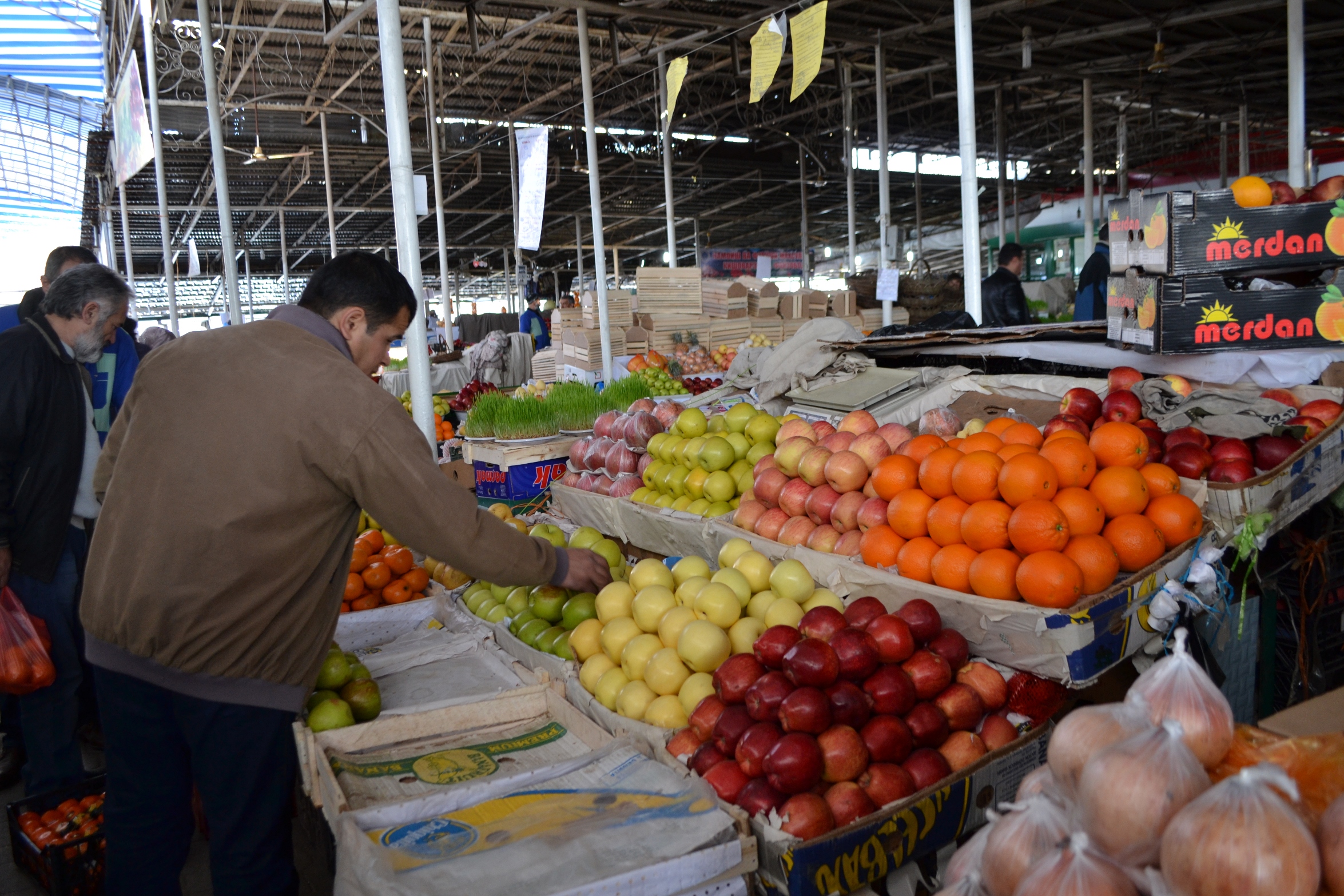
Today, you practically will not see at Tajikistan’s bazaars fruits and vegetables grown from domestic seeds.  “Foreigners” have high productivity, but their taste and aroma are not the same.  

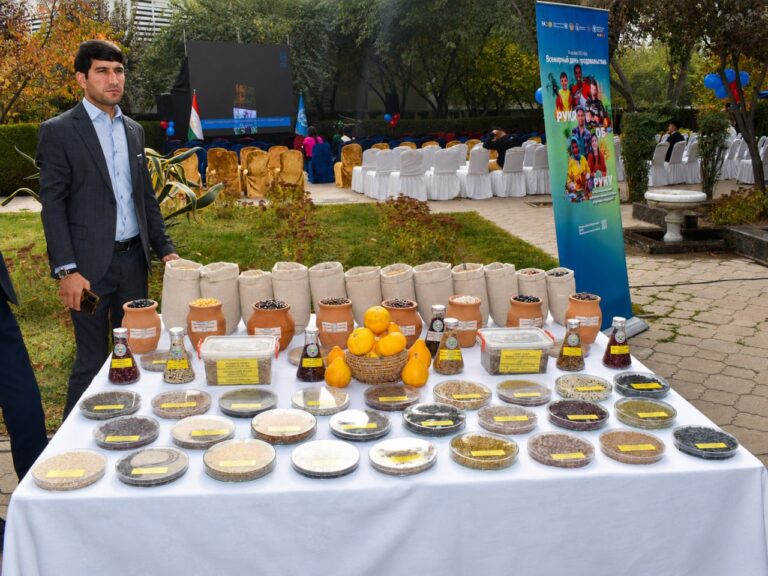
Farmers are interested in planting seeds giving a large harvest.  Domestic species of potatoes, tomatoes, water melons, cabbages, cucumbers and strawberries have practically disappears from the country’s bazaars in recent years.  They have been replaced with fruits and vegetables grown from seeds delivered from abroad – Dutch, Chinese, Israeli and so forth.

Today, you practically will not see “Malik” apples (domestic species) or “Early Rose” potatoes (domestic species) at local bazaars.        

Farmers say domestic seeds are nowhere to be found.

Habibullo, a farmer from the Shahrinav district, says he cannot find domestic seeds of vegetables and is forced to use seeds delivered from abroad. 

“Indeed, they give a good harvest, but only in the first year.  This year, I have planted imported onion seeds and have had a good yield – 60 tons.  However, next year, the harvest will drop 50 percent and I will have to buy new seeds.  The majority of farming units do not have base for seed growing,” Habibullo noted.  

Experts say imported seeds are not adapted to our conditions.  “They have high productivity but they fall behind domestic seeds in terms of quality,” Qurbonali Partoyev, Candidate of Sciences in Agriculture, told Asia-Plus in an interview.  

According to him, Tajik researchers proved during 1940-1990s that imported potato seed cannot be alternative to domestic potato seeds.

“Unfortunately, heads of ministries, agencies and farming units have ignored researchers’ recommendations,” said Partoyev.  “I think it is time to refuse expensive and sometimes dangerous imported material and strengthen potential of domestic researchers and farmers in order to achieve the seed independence of the country.”  

Join us on social media!

Article translations:

Related Article

Оби зулол
Оби зулол
Tenisi

Most Read

Коммерсбонк Точикистон

Recent Articles

RZD announces the restoration of passenger services between Moscow and Dushanbe

Direct rail services between the capitals of Russia and Tajikistan were suspended in March 2020 due to the COVID-19 pandemic.

#AP30/Stories. “Selam! Heller nichek?” How Tatars live today in Sughd province

On the 30th anniversary of "Asia-Plus," we continue to publish reports that remain relevant even after years. This story was told in 2021, and since then, little has changed in the life of the Tatar community in Tajikistan.

15,000 cameras, drones, and robots: how technology monitors pilgrims in Mecca and Medina

During Hajj 2026, Mecca and Medina were under unprecedented digital control.

Another child in Dushanbe removed from family and sent to boarding school

The Ministry of Internal Affairs reports that the parents did not pay adequate attention to the child.

Emomali Rahmon instructs to address issues in seed production following criticism of the industry

Issues have been noted with certification, seed quality, and the material and technical base of the industry.

Water, climate, and a $130 billion deficit: seven key outcomes of the Water Conference in Dushanbe

At the forum, countries and international organizations discussed new mechanisms for cooperation, investments, and technologies that are essential for addressing the global water crisis.

Eskhata Bank introduces a new generation children’s wallet

"Eshkata Bank" has created a full-fledged digital platform that helps children aged 7 to 16 learn how to manage money.