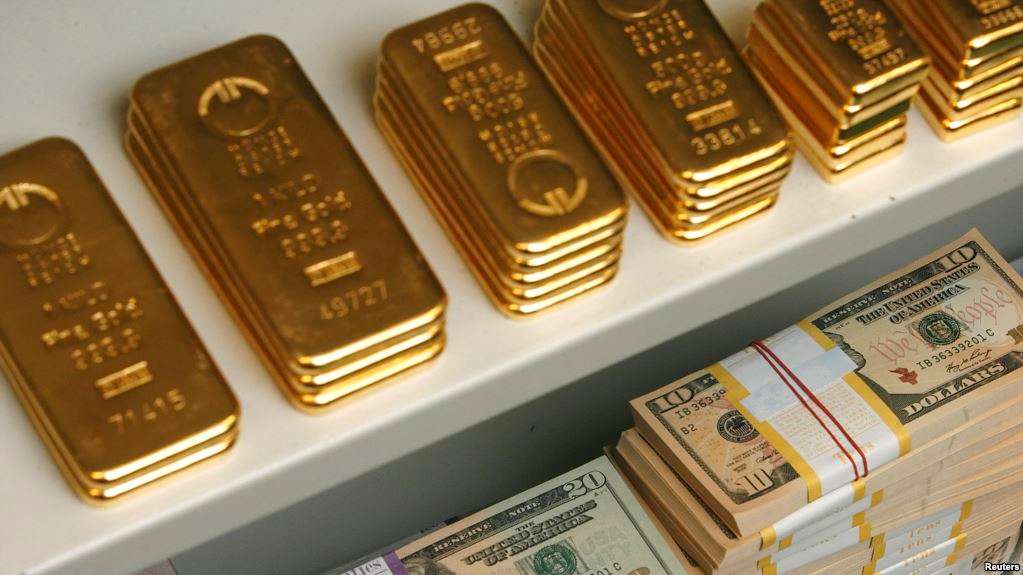
A report by the World Bank, Tajikistan: Heightened Vulnerabilities, Despite Sustained Growth, notes that international reserves held by the National Bank of Tajikistan (NBT) rose sharply in the first nine months of 2017 to 5.6 months of import cover, but this was largely the result of one-off effects and not indicative of a sustained improvement in economic fundamentals. The surge in reserves came primarily at the cost of debt accumulation, reflecting a US$500 million Eurobond issuance in September.
According to the report, reserves were also supplemented by the acquisition of monetary gold through domestic currency issuances and foreign exchange purchases facilitated by administrative measures. In the medium-term, reserve levels are reportedly expected to gradually moderate as imports recover and construction of the Roghun hydroelectric power plant (HPP) accelerates.
Reports says that despite a considerable capital injection in 2016—totaling more than 6.1 percent of GDP – Tajikistan’s two main banks remained operationally insolvent and in breach of regulatory prudential norms. Although the system-wide capital adequacy ratio improved from 15.1 percent in December 2016 to 19.4 percent in June 2017, non-performing loans (NPLs) remained at more than 50 percent of total loans on average; this figure was even higher in distressed banks. Other financial soundness indicators (such as liquidity and exposure to foreign exchange risk) reportedly also showed a deteriorating trend. Unresolved banking sector issues have translated into negative spillovers to the economy with total lending contracting by 4 percent year on year in somoni terms (14 percent in U.S. dollar terms) in the first half of 2017. Similarly, the volume of outstanding deposits fell by 2 percent in somoni terms and 13 percent in U.S. dollar terms, the report said, noting that limits and the inability of banks to meet their operational obligations due to liquidity shortages and continued insolvency constrained deposit withdrawal. While some positive steps were taken to stabilize the financial system, the required comprehensive approach—including the package of legislative amendments and institutional changes for banking resolution—reportedly remains pending.
Recall, Tajik central bank stated in early November last year that for the first time, Tajikistan’s gold and currency reserves are enough for five months of imports.
“Over the first nine months of this year, net international reserves and total international reserves have risen 2.4 and 2.2 times respectively. An indicator of sustainability of total international reserves increased from 2.6 months on January 1, 2017 to 5.6 months on September 30, 2017, which is the best indicator in history of the National Bank of Tajikistan” the NBT press center notes.
Last year, an average monthly volume of Tajikistan’s imports amounted to 250 million U.S. dollars, while over the first nine months of this year it has reduced to 218 million U.S. dollars.
As of September 30, 2017, Tajikistan’s gold and currency reserves reportedly amounted to 1.2 billion U.S. dollars.