Tajik-Chinese gold mining joint venture temporarily suspends operations due to reconstruction works

Tajik-Chinese Joint Venture (JV) Zarafshon (formerly Zervashan Gold Company), which is the largest gold mining company in Tajikistan, has temporarily suspended operations due to reconstruction works.   “the work on modernization of the enterprise’s technological line is under way, and therefore, it has temporarily suspended operations,” Bakhityor Sharipov, an official with the Ministry of Industry and […]

Asia-Plus

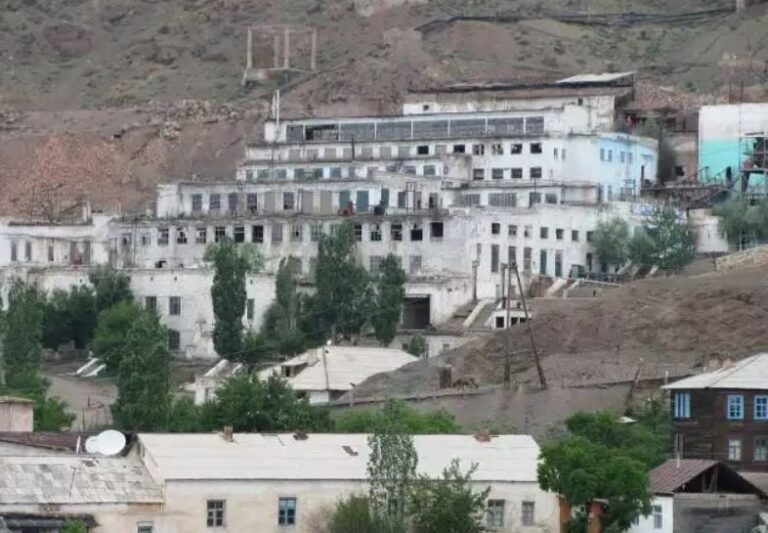
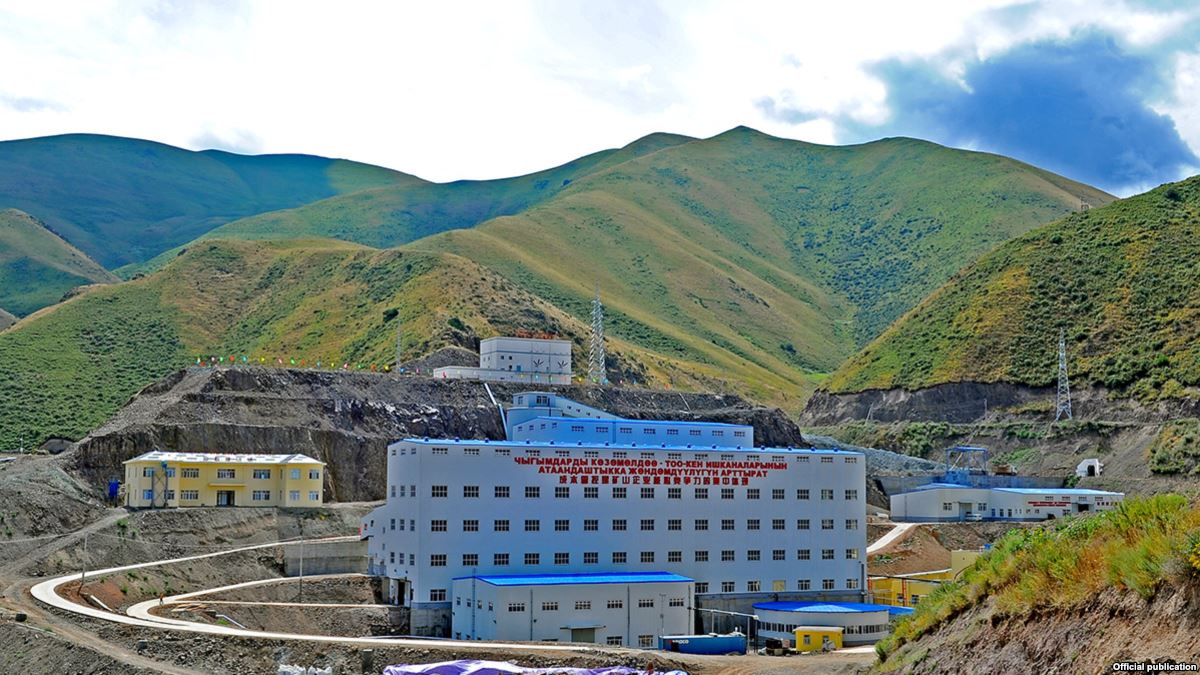
Tajik-Chinese Joint Venture (JV) Zarafshon (formerly Zervashan Gold Company), which is the largest gold mining company in Tajikistan, has temporarily suspended operations due to reconstruction works.  

“the work on modernization of the enterprise’s technological line is under way, and therefore, it has temporarily suspended operations,” Bakhityor Sharipov, an official with the Ministry of Industry and New Technologies (MoINT), told Asia-Plus in an interview.

According to him, the reconstruction works will be completed in the near future and the enterprise will resume operations.  

“Meanwhile, the issue of extending the license for development of four deposits – Tarror. Jilau, Khirskhona and Olimpyskoye – is under consideration,” Tajik official added.  

Zeravshan Gold Company (ZGC) was launched as a joint venture with Nelson Resources Ltd (44%) and the Tajikistan government (51%) and the IFC (5%) in 1994.  In September 2002, Avocet signed a heads of agreement to acquire the Tajik gold assets of Toronto-based Nelson Resources Ltd held through Nelson’s subsidiary, Commonwealth and British Minerals Ltd.  The assets included a 44% interest in ZGC.  In November 2004, Avocet increased its equity interest in ZGC from 49% to 75%.  In late July 2007, Avocet sold its equity stake in ZGC to China’s Zijin Mining.

JV Zaravshon owns gold mining and exploration rights to a 300,000-hectare area near the town of Panjakent in northern Tajikistan.

Tajikistan has 137 deposits with estimated reserves of industrial gold and 127 deposits of non-industrial gold.  Tajikistan plans to increase annual production of gold to 17 tons beginning on 2022.

Four large gold mining companies now operate in Tajikistan: Tilloi Tojik; Tajik-Chinese JV Zarafshon; Tajik-Canadian JV Aprelevka; and China Nonferrous Gold Limited, which is the first foreign company to obtain 100% ownership of a mining and exploration project in Tajikistan.  Besides, enterprises such as Odina, Nazira, Ganj, Barakat and Istiqlol are engaged in gold production in the country.

Most of gold comes from the Jilau deposit operated by Tajik-Chinese joint venture, Zarafshon, which reportedly accounts for more than 70 percent of the total amount of gold produced in Tajikistan
Article translations:

Related Article

Оби зулол

Most Read

Join us on social media!

Aura

Recent Articles

How a guide dog project could help people with visual impairments in Tajikistan

In Tajikistan, there is an enthusiast who can build such a school, but he urgently needs help, primarily financial.

Wildberries opened access to the platform for all sellers from Tajikistan

Now local brands, manufacturers, and individual entrepreneurs can enter the largest online platform and expand their sales market.

CMWP Uzbekistan: The boutique hotel market in Tajikistan shows the fastest growth in the region

Such hotels in the republic offer their guests a high level of comfort and convenience.

Emomali Rahmon signs decree on increasing salaries and paying bonuses to IT sector workers

The document provides for the creation of a new incentive system for specialists in the field of information technology.

Not advertising, but influence: what was discussed at IMPACT Creative Night and why businesses need meaning today

Today, audiences trust direct advertising less and less, which means brands have to compete not for attention, but for trust and a place in the agenda.

Russia extends the experiment on collecting biometrics from foreigners

The decision was justified by the necessity of gradually modernizing all border crossing points.

“Convenient, affordable, and cheap”: Dushanbe residents speak out on raids against shared taxis

They say that late at night buses and trolleybuses disappear from the streets, so cheap route taxis remain the only way for many to get home.

In the White House, President Trump was called a “king”

This is not the first instance where Trump's entourage has resorted to monarchical parallels when speaking about him.

Water, climate, and melting glaciers: what Central Asian countries agreed on at the RES 2026 in Astana

We discuss how the Regional Environmental Summit in the capital of Kazakhstan went and what results it yielded.