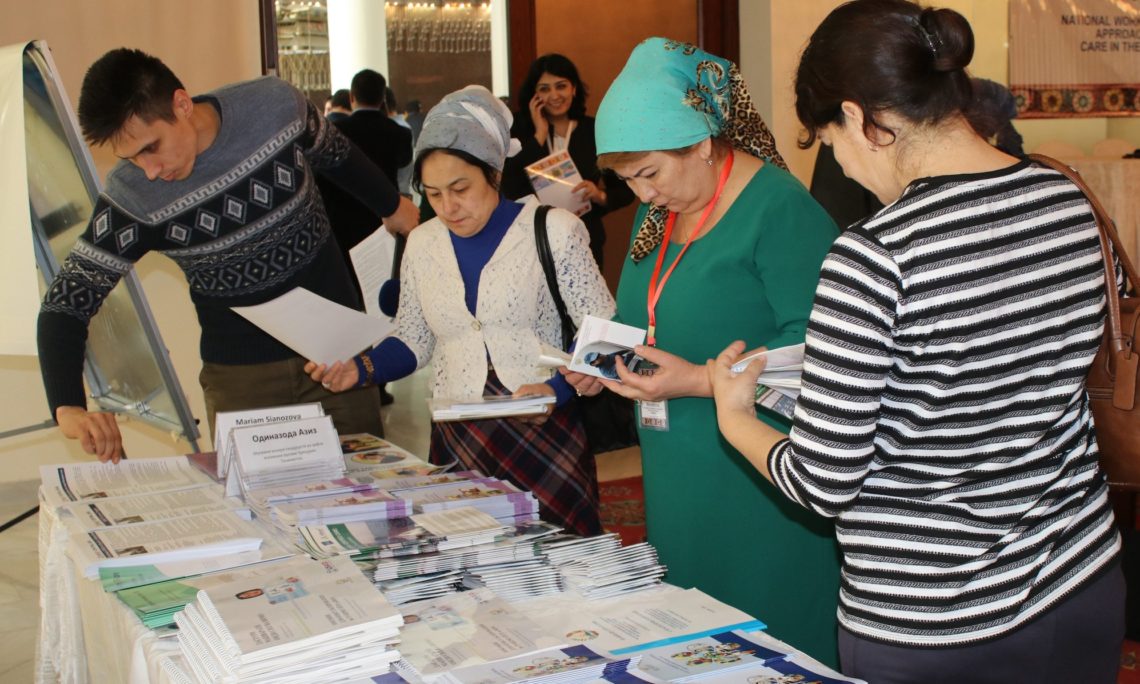
The United States Agency for International Development (USAID) and Tajikistan’s Ministry of Health and Social Protection of the Population held a National Workshop on “Patient-Centered Approaches in Tuberculosis (TB) Care in Tajikistan.”
The two-day workshop that concluded on February 23 provided a forum for nearly 100 leading national and international TB experts, policymakers, and public health professionals representing the Government of Tajikistan, USAID, the World Health Organization (WHO), and international and national civil society organizations. Participants shared successes and lessons learned in the implementation of patient-centered models of TB care.
According to press release issued by the U.S. Embassy in Dushanbe, patient-centered models aim to make TB care more accessible, equitable, and effective with outpatient treatment and patient support in the community. Focused on the needs of individuals, patient-centered TB care allows them to receive treatment outside of hospital settings and continue their regular work and activities. It also reduces the stigma that those affected by this infectious but curable disease often faces. Workshop participants looked at ways to improve laboratory diagnostics, enhance treatment opportunities, support all TB patients, and broaden the role of civil society in TB control, specifically in working with vulnerable population groups. Participants also reviewed how the USAID TB Control Program’s efforts to bring TB care closer to people and communities are being replicated across the country. At the conclusion of the workshop, participants developed an action plan with recommendations for improvements in the quality, accessibility, and timeliness of TB services.
Tajikistan, which is among 30 countries with a high burden of multidrug-resistant TB (MDR-TB) and 18 high-priority countries in the WHO European Region for TB control, is committed to implementing patient-centered approaches to TB diagnostics, treatment and prevention. Since 2014, USAID and its national partners have been implementing the USAID TB Control Program to assist the National Tuberculosis Program in the improvement and scale-up of patient-centered approaches to the treatment of TB, including its multidrug-resistant forms. The five-year, $13.2 million program is working to reduce the burden of tuberculosis in Tajikistan and prevent multidrug-resistant forms of the disease. The program covers a wide range of activities, including training health care workers to strengthen the health system, improving stakeholder coordination and cooperation, and increasing access to TB diagnosis and treatment.