Twenty-seven government-to-government and interagency cooperation agreements have been signed during Uzbek president’s state visit to Tajikistan.
One of the twenty-seven agreements signed in Dushanbe on March 9 after the negotiations was a deal enabling nationals of Tajikistan and Uzbekistan to visit each others’ countries for up to 30 days without obtaining visa.
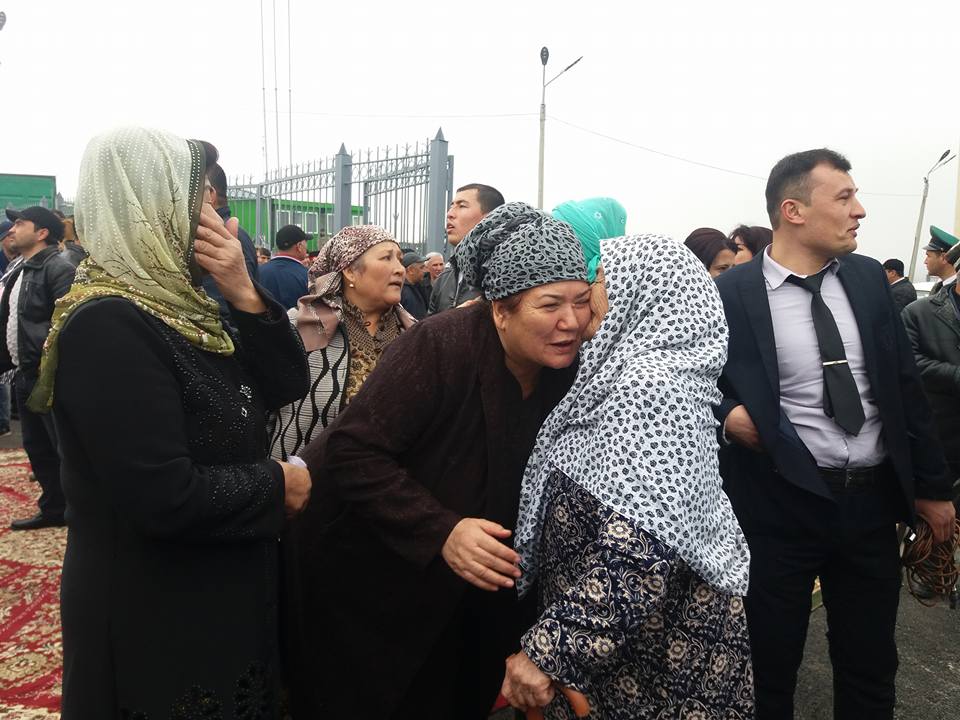
Recall, Tashkent introduced visas for Tajik citizens intending to visit Uzbekistan in 2001, creating major complications for ethnic Tajiks living on the Uzbek side and ethnic Uzbeks on the Tajik side, many of whom have relatives or other connections in the other country.
The agreements signed on March 9 also included a deal on the delimitation of parts of the Tajik-Uzbek border.
In addition, 27 documents aimed at further expansion of bilateral cooperation between Tajikistan and Uzbekistan in the spheres of trade, investment, finance, transport and transit, agriculture, water and energy, taxes, customs, tourism, education and science, healthcare, culture, cooperation between the regions of the two countries as well in the field of security and combating crime were signed.
Besides, the foreign ministers of Tajikistan and Uzbekistan signed a program of cooperation and mayor’s offices of Dushanbe and Tashkent signed an agreement on trade and economic as well as cultural and humanitarian cooperation.
The defense ministries of the two countries signed an agreement on military cooperation.
The Center for Strategic Studies under the President of Tajikistan and the Institute for Strategic and Interregional Studies under the President of Uzbekistan signed a memorandum of understanding (MoU) on bilateral cooperation.
On March 8, nine crossing points on the Tajik-Uzbek border — eight on roads and one on a railway line — resumed operations after being closed for years.
Uzbek media reports say this solid package of documents creates a new legal foundation for further comprehensive development of mutually beneficial relations between the two countries and fraternal peoples.
Relations between the countries have become warmer after Shavkat Mirziyoyev came to power in Uzbekistan in 2016. Mirziyoyev has said that improving ties with Central Asian nations is a major priority of Uzbekistan’s foreign policy.
Shavkat Mirziyoyev told lawmakers in the Tashkent region on January 6 that important bilateral agreements would be signed during his visit to Tajikistan.