EBRD and EU launch Regional Small Business Program in Tajikistan

Online training and knowledge sharing and exchange platform now available to financial institutions across the country Micro, small and medium-sized private businesses in Tajikistan will now benefit from a new Regional Small Business Program (RSBP) launched in Dushanbe on Aril 19, according to the European Bank for Reconstruction and Development (EBRD) Resident Office in Dushanbe. […]

Online training and knowledge sharing and exchange platform now available to financial institutions across the country

Micro, small and medium-sized private businesses in Tajikistan will now benefit from a new Regional Small Business Program (RSBP) launched in Dushanbe on Aril 19, according to the European Bank for Reconstruction and Development (EBRD) Resident Office in Dushanbe.

The EU-funded and EBRD-managed project is reportedly designed to transfer know-how in the field of micro, small and medium-sized enterprise (MSME) finance throughout Central Asia.

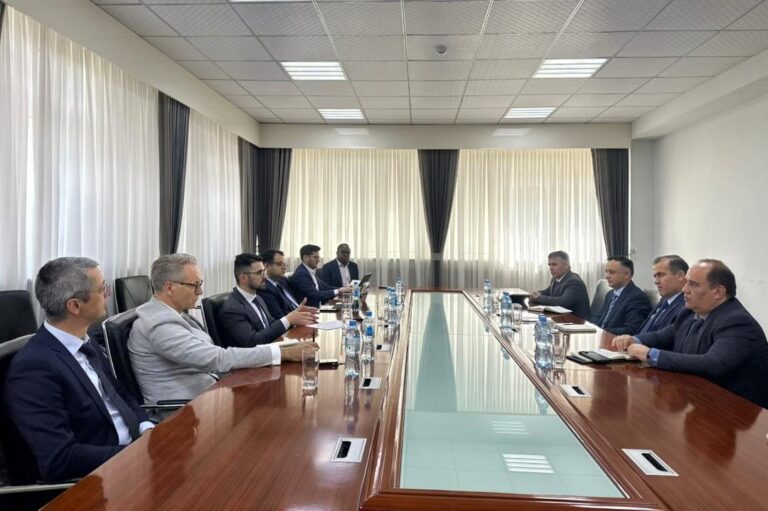
The launch event in Dushanbe was co-organized by the EBRD and the National Bank of Tajikistan.  The event was attended by senior representatives of the EU, the EBRD, international organizations, and local financial institutions.

The Program will make a knowledge sharing and exchange platform accessible to financial institutions engaged in financing of private sector in Tajikistan.  It will also help local financial intermediaries to get systematic digital access to EBRD’s experience in this field.

It is envisaged that eventually the digital platform will be transformed into an online learning system available to financial institutions in Central Asia on a wider basis. Furthermore, financial institutions from Tajikistan will receive regular classroom training on a variety of topics relevant for financial institutions in providing services to MSMEs.

The RSBP is implemented by the German consulting company IPC (Internationale Projekt Consult GmbH), which has a proven track record of implementing similar initiatives in the region.
  

Join us on social media!

Article translations:

Related Article

Оби зулол
Tenisi
Оби зулол

Most Read

Коммерсбонк Точикистон

Recent Articles

President of Tajikistan instructed to develop measures for stabilizing the cement market within a week

Despite the increase in the production of this building material in the country, the domestic market faced a shortage, supply disruptions, and a sharp rise in the price of the building material.

Gusty winds and mudslides damage houses, roads, and cars in Dushanbe and some other regions

At least 9 vehicles were damaged, including three in Dushanbe and six in Vahdat.

The US struck military facilities in Iran. Trump expressed dissatisfaction with Tehran’s proposals and threatened Oman.

Earlier, Iran's state TV reported receiving a draft unofficial framework agreement between Tehran and Washington to settle the conflict.

How much did Tajikistan’s budget earn from the “Google tax”?

The law is already 5 years old, but the Tax Committee provided data only for the last 2 years.

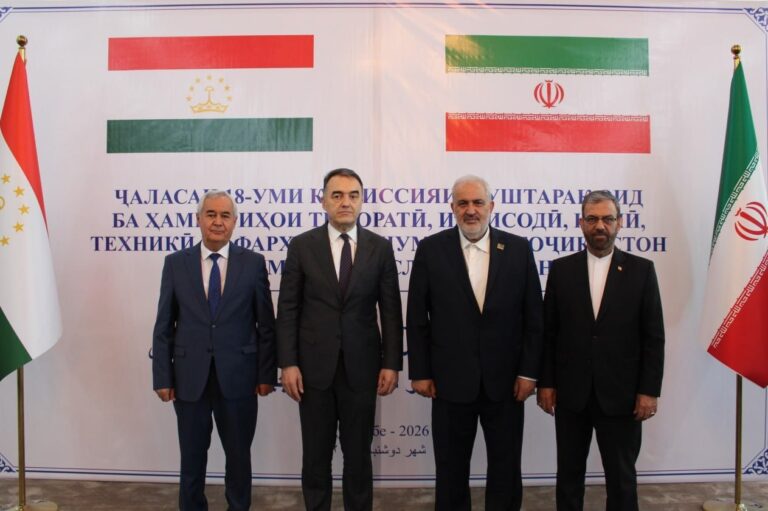
The bilateral trade between Tajikistan and Iran increased by 8% in Q1 2026

Another meeting of the joint intergovernmental commission of the two countries took place in Dushanbe.

Russia and Taliban government sign military-technical cooperation agreement

The document may open up opportunities for the exchange of weapons, military technologies, and other types of defense cooperation.

“Hit with fists on the lower back and abdomen.” A teacher from Nurobod, claiming he was beaten by a student’s brother, details the attack

According to him, he is being threatened with murder, and law enforcement agencies have not yet detained the attacker.

International internet starts coming back in Iran after long shutdown 

Western media reports says Iranians ​isolated by a long...

Tajikistan listed among countries with low generative AI usage

Among the Central Asian countries, Kazakhstan has the highest rate.

Prices in Tajikistan rise almost 2% in January-April: apples, fuel, and utilities become particularly more expensive

In April, inflation was 0.6%: food products became more expensive, non-food products increased in price comparatively less, and tariffs for paid services remained unchanged.