The spring 2018 edition of the biannual Tajikistan Economic Update by the World Bank (WB), Changing Regional Environment: Critical to Capitalize, which outlines the economic situation in Tajikistan, as well as the medium-term development prospects, in particular, notes that half of total tax arrears in Tajikistan are owed by state-owned enterprises (SOEs). The report says SOE reform should be accelerated to close leakages and prevent the inefficient use of public resources.
According to the report, arrears of large SOEs rose steadily until 2013 to reach 475 million somoni (1.2 percent of GDP), before declining to below 314.5 million somoni (0.5 percent of GDP) in 2017, about half of total tax arrears.
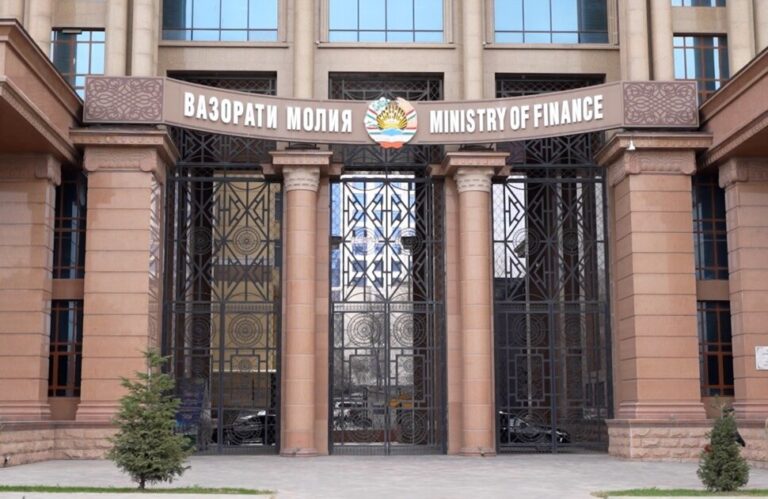
The report says that loans and subloans incurred by SOEs expose the government to quasi-fiscal risks. In recent years, the government has reportedly been facing extra fiscal costs because of non-repayments of subsidiary loans by SOEs under on-lending arrangements. Barqi Tojik (a national integrated power company of Tajikistan) and Tojiktransgaz (state-run natural gas distributor) are among the SOEs that regularly receive on-lending from the Ministry of Finance (MoF) despite being in distressed financial conditions. Similar practices in eight SOEs reportedly led to total explicit fiscal liabilities of 5 billion somoni in 2016, equivalent to around 9.2 percent of GDP. Barqi Tojik alone accounts for more than 97 percent of total outstanding sub-loans. Unfortunately reports on Quasi-Fiscal Risks produced by the SOE Monitoring Unit of MoF do not provide sufficient details on debt repayments to see whether the debt was eventually repaid by the beneficiary SOEs or by the government. The latter creates a moral hazard problem, according to the report.
The report also notes that direct budgetary loans to SOEs strain the fiscal space. The government has a practice of providing short-term loans from the State Budget to large SOEs for specific projects at a subsidized interest rate (typically around 10 percent). In 2017, the total outstanding debt on direct credits to SOEs from the budget amounted to 75 million somoni (0.4 percent of total public spending).
The report notes that SOE reform should be accelerated to close leakages and prevent the inefficient use of public resources.
Further enhancement of the regulatory framework pertaining to accounting, financial reporting, and audits based on IFRS standards may help to improve the quality of SOE financial statements, and thus the overall management of SOEs. Key principles of non-financial management, including performance management, institutional risk management, and corporate governance, should also be introduced, according to the report.