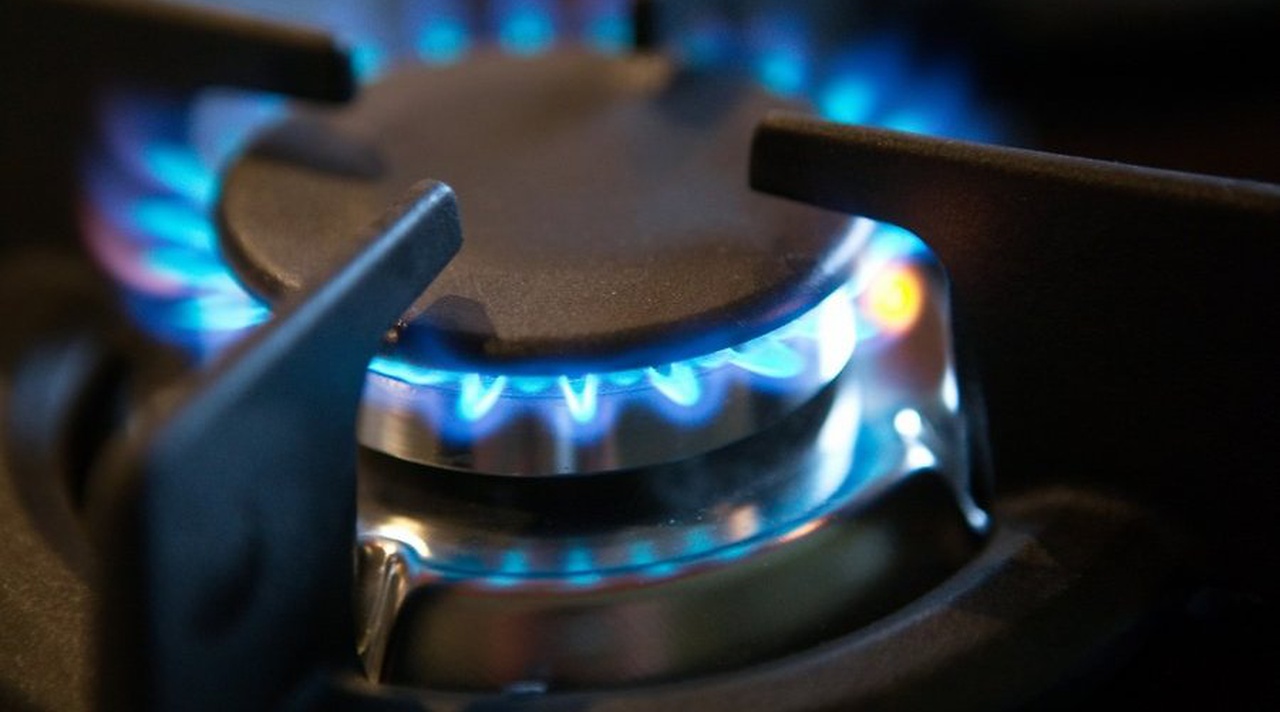
Uzbek gas deliveries to Tajikistan are expected to increase nearly fourfold this year. The supply of Uzbek natural gas to residential customers will start only after rehabilitation of the low pressure gas pipeline.
“This year, we plan to buy up to 200 million cubic meters of natural gas from Uzbekistan,” Shavkat Shoimov, the deputy head of Open Joint-Stock Company (OJSC) Tojiktransgaz (Tajik state-run natural gas distributor), told reporters in Dushanbe on January 28.
According to him, Tojiktransgaz and Uzbekneftegaz Holding (Uzbek state-owned holding company of Uzbekistan's oil and gas industry) have reached an agreement in principal and the parties are currently discussing the agreement details.
To-date, the high pressure pipelines have been rehabilitated and the number of consumers of the Uzbek natural gas is increasing in the country, Tojiktransgaz representative said, noting that the supply of the Uzbek natural gas to residential customers will start only after rehabilitation of the low pressure gas pipeline.
“Last year, Tajikistan received nearly 54 million cubic meters of natural gas from Uzbekistan,” Shoimov added.
Recall, Uzbekistan resumed delivering natural gas to Tajikistan in early April last year, ending a six-year hiatus precipitated by diplomatic differences. In 2018, the Uzbek gas was tunneled to Tajikistan through the Muzrabad-Dushanbe pipeline and intended mostly to provide for the needs of the Tajik aluminum smelter and some other industrial enterprises.
Uzbek gas supplies were suspended in 2012 over what the government in Tashkent claimed were domestic shortages. This explanation was only partly true, however. The underlying motivation for the suspension in deliveries was the Uzbek objection to Tajik plans to build the giant Roghun hydropower dam, which Tashkent worried could destructively disrupt the flow of irrigation waters.
Uzbekistan, Tajikistan’s only supplier of gas, routinely suspended gas deliveries to its neighbor amid complaints of nonpayment.
Since President Shavkat Mirziyoyev came to power in Uzbekistan in 2016, relations between the two countries have improved dramatically and the resumption of trade and energy ties has been made a priority.