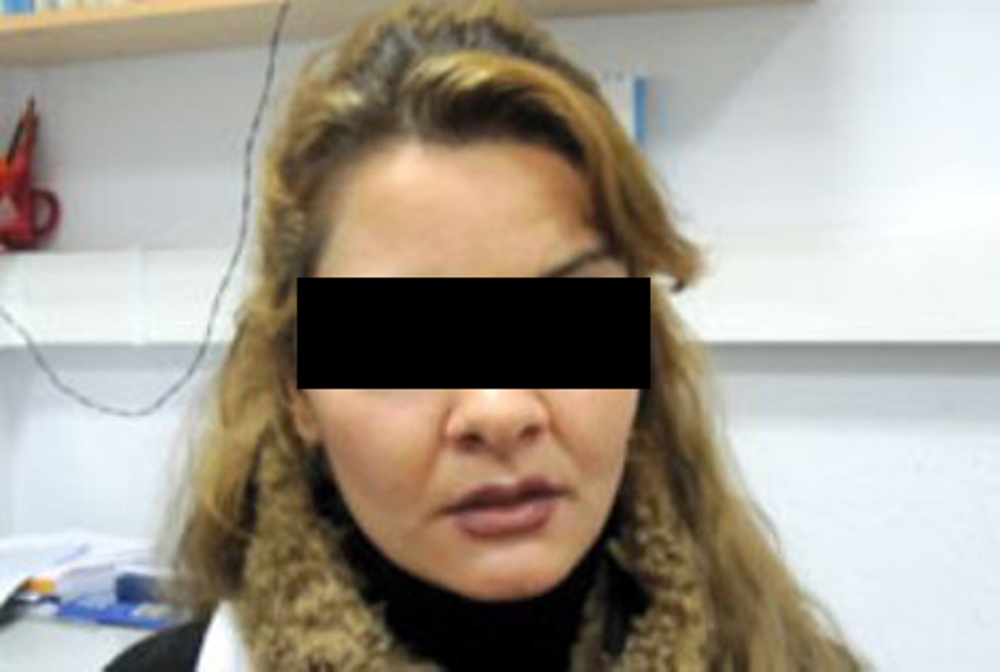
Iranian national, Mrs. Atefeh Pichand, who fled Tehran together with her husband for a new life in Dushanbe nearly seven years ago, says they now neither can find job nor leave Tajikistan for the third country.
Mr. Pichand, who is under UNHCR’s protection, says her family now is in a very hard situation. According to her, they neither can find jobs not leave Tajikistan for the third country. “Moreover, we now do not receive assistance from UNHCR,” Mrs. Pichand told Asia-Plus in an interview.
“We arrived in Tajikistan nearly seven years ago. We have not been able to work officially and have not managed to leave Tajikistan for the third country. We have repeatedly applied for help to the UNHCR Country Office in Tajikistan and hey have promised to help us. However, seven years have passed but nothing has changed,” she noted.
“For the last time, we received allowance (150.00 U.S. dollars) from UNHCR three years ago. I visited the UNHCR Office again just the other day and left a letter requesting assistance. However, I have been refused without any written explanations,” Mrs. Pichand said.
Recall, Mrs. Pichand, who filed an application to the Prosecutor-General’s Office of Tajikistan saying that Tajik police officer raped her, attempted self-immolation inside the building of UN Office in Tajikistan on August 6, 2014.
According to her, she dared to that desperate act “because the UN Office in Dushanbe is indifferent to her fate.”
She told Asia-Plus by phone at that time that she went to the UN Office again on August 6 wanting to ask them to ensure her safety because the person, against whom she filed the application to the Prosecutor-General’s Office of Tajikistan, was making moral pressure on her. “He has called me demanding that I take my application from the Prosecutor-General’s Office. Nobody wants to help me, even the UN Office. Therefore, I wanted to immolate myself but could not do it. I drank gasoline and fainted,” Ms. Pichand told Asia-Plus by phone on August 7, 2014.
According to her, she applied to the UNHCR Country Office in Tajikistan a week before that but “they postponed consideration of my application for later.” “When I came to the UN Office on August 6 they said again that they will call me back,” Atefeh Pichand noted.
Meanwhile, the center for public relations at the UNHCR Country Office in Tajikistan says that according to the privacy policy they cannot give detailed comments on an individual case of the Iranian refugee woman.
Recall, Mrs. Pichand filed the application to the Prosecutor-General’s Office saying that Tajik police officer raped her on July 21, 2014.
According to her, he on February 10, 2014 brought her by force to his office by car with number plate 55 00 AM 01 and raped her.
The then Tajik chief prosecutor Sherkhon Salimzoda told journalists on July 31, 2014 that investigation had been launched into the incident.